

Printing in 1450, shout out to Johannes Gutenberg
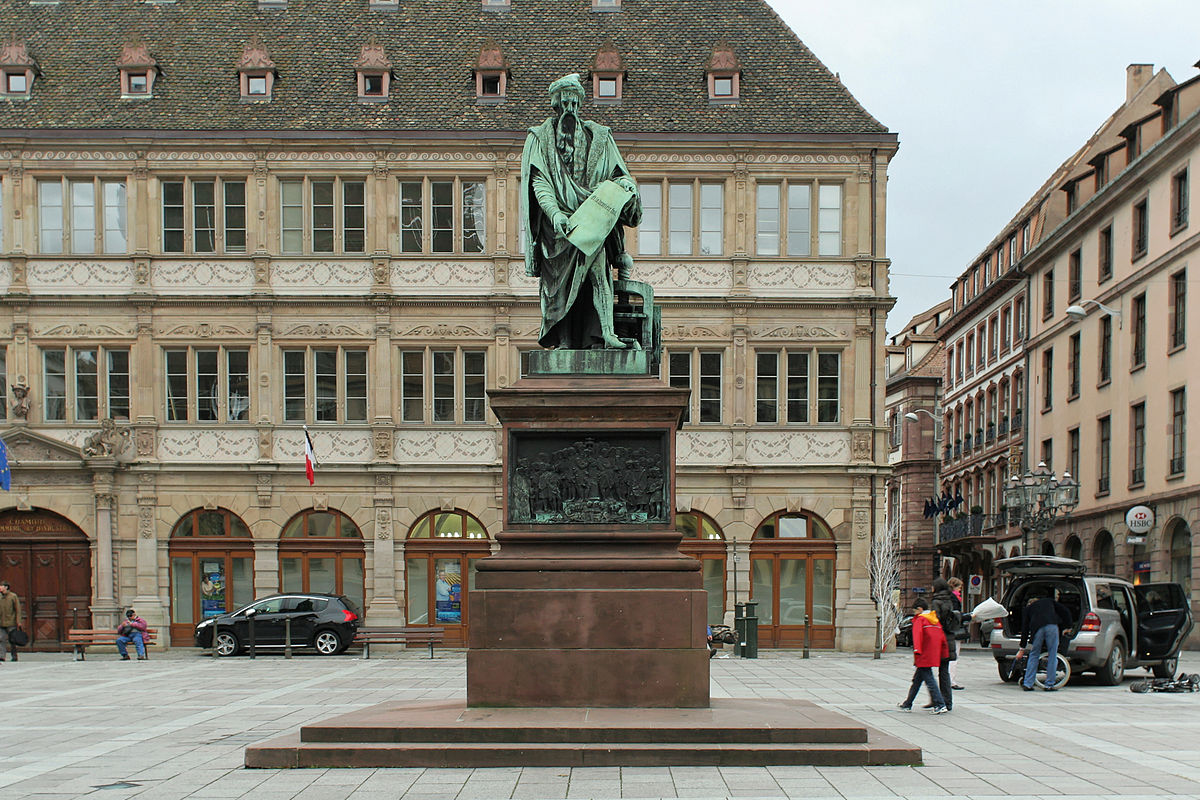
It's Gutenberg who, in 1450, creates modern typography and introduces the printing press. He is behind the first European book printed with movable type and the first Latin edition of the Bible. Even though Johannes was German, everything happened that year in Strasbourg (hence the Gutenberg Square and his statue)!
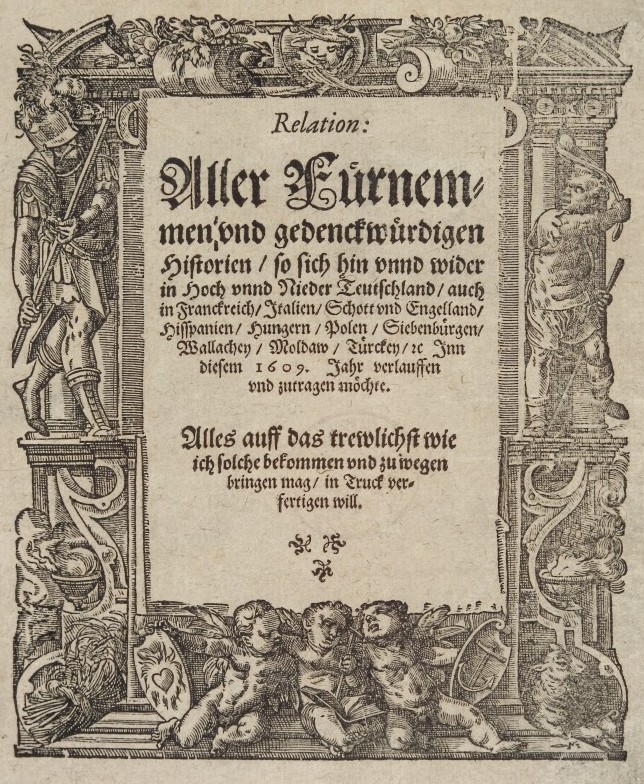
The printed newspaper in 1605, kisses for Johann Carolus
It was in the European capital that the first printed newspaper, " Relation aller Fürnemmen und gedenckwürdigen Historien », a weekly of four pages (you have to start somewhere). At its origin, Johann Carolus, Alsatian printer and bookbinder. La Gazette, the first French printed newspaper, only appeared 26 years later!
Kronenbourg in 1664, let's give a big round of applause to Jérôme Hatt
The Kronenbourg company was founded in 1664 in Strasbourg by Jérôme Hatt and therefore has over 350 years of history! Today, it is the most consumed beer brand in France, with a 30% market share (one out of three beers sold in the country is a Kronenbourg)! Originally located in the Cronenbourg district (hence the name, yes), the company's headquarters is now in Obernai.
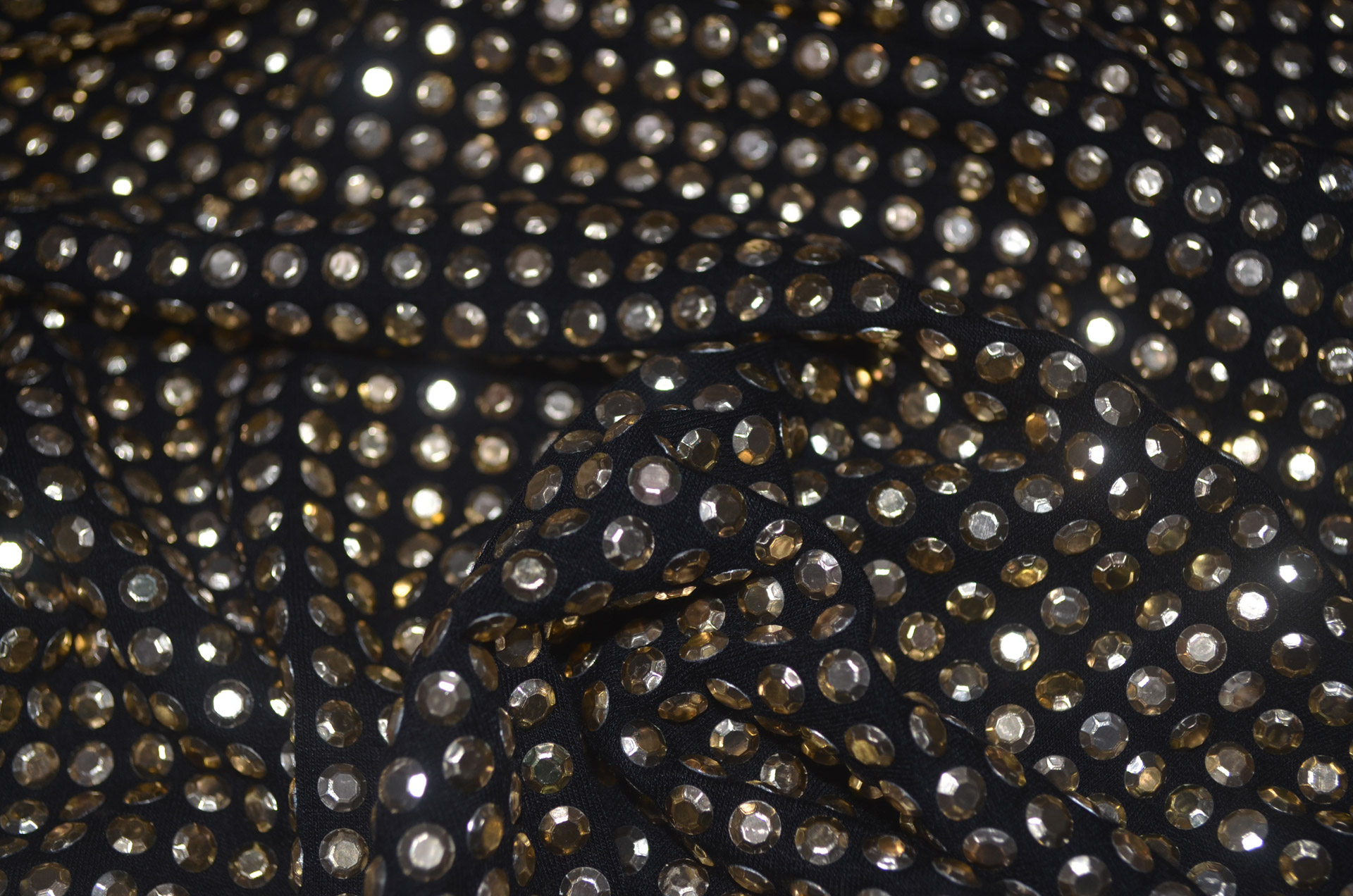
The sparkles in 1746, because Georges Frédéric Strass wanted to add some glitter to our lives
Georges Frédéric Strass, born in Wolfisheim, is the creator of strass (no, it's not the nickname for "Strasbourg"...). As a jeweler to the king of France (serious business), he wanted to create affordable jewelry. Today, strass is used to make costume jewelry and has become a popular fashion accessory found everywhere!
Aspirin thanks to Charles Frédéric Gerhardt in 1853
We all know aspirin, our best friend after a hangover or simply after a tiring day at work. But did you know that it was Charles Frédéric Gerhardt, a chemist from Strasbourg, who was the first to synthesize acetylsalicylic acid (aka aspirin)? He passed away before he could refine the product, but it is thanks to his work that, more than 40 years later, the aspirin we know today was able to come to light.
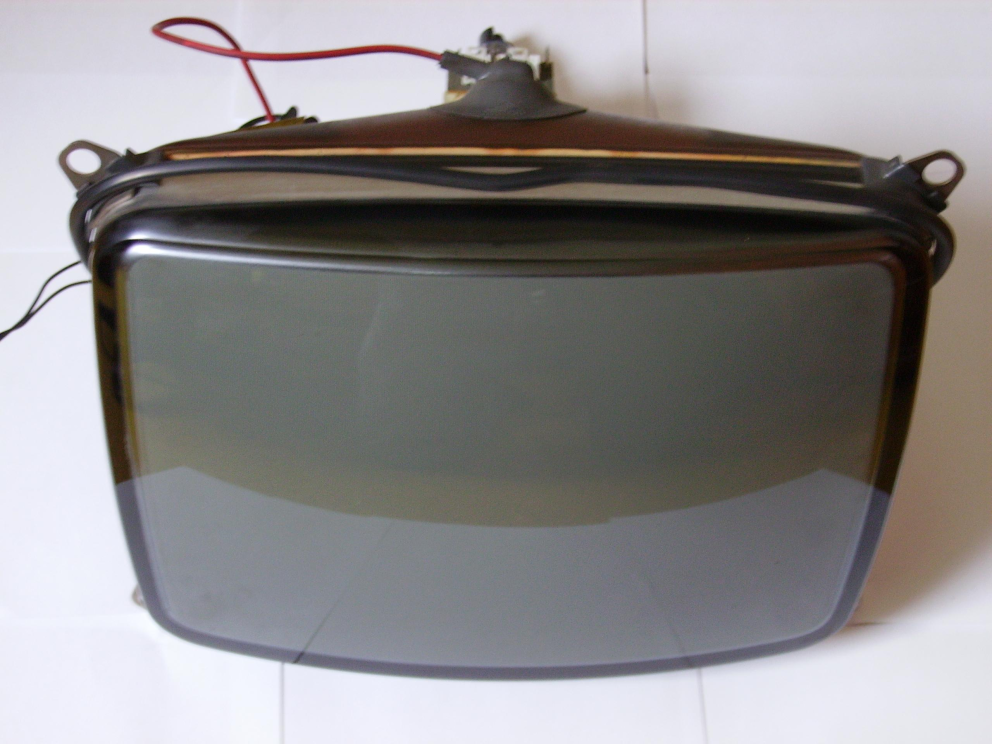
The cathode ray tube in 1897, precursor to LCD screens, with Ferdinand Braun
Ferdinand Braun invented the "Braun tube", cathode ray tube that led to the creation of oscilloscope, and then to the cathode ray tubes of televisions and computer screens. Just so you know, this is what allowed to produce an image on a screen before LCDs came around!
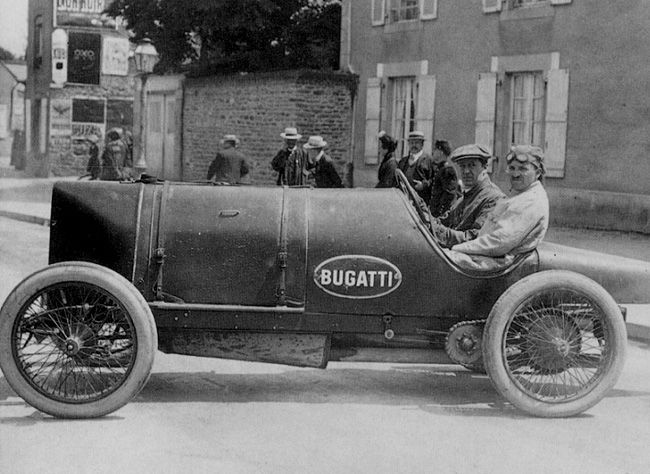
The Bugatti of the almost-Alsatian Ettore Bugatti in 1909
More than 110 years ago, Ettore Bugatti, founder of the famous brand, left Cologne to settle in Molsheim (still the headquarters of the company today). So it was near Strasbourg that he obtained the necessary funding to produce his cars and, at just 28 years old, launched the Type 13!
The Caddie in 1928, thanks to Raymond Joseph
Between us, everyone says "go get a Caddie" and not "go get a supermarket cart", right? Well, Caddie is actually the company founded in 1928 that manufactures these carts. It's just us who turned it into a generic term, like with Scotch tape! The first "Caddie" was created in the 60s, in Alsace, and by the 80s, the company already held 80% of the European supermarket cart market. Its headquarters is now in Drusenheim, but you can find the brand in 120 different countries.
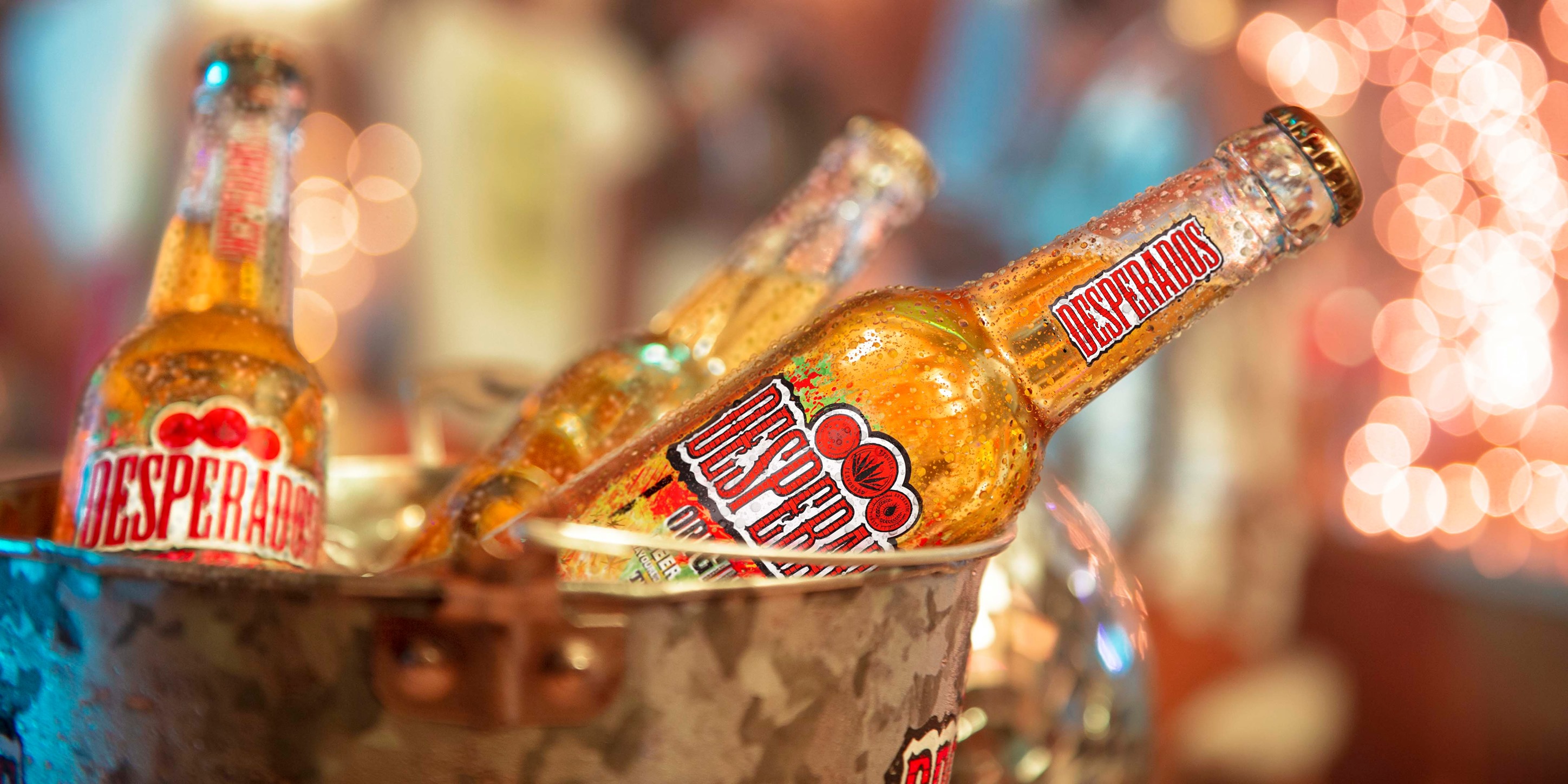
La Desperados in 1995, by Michel Debus
A beer of Alsatian origin, La Desperados was created in Schiltigheim, in the Fisher brewery, in 1995. In 2009, it was the turn of the Brasserie de l'Espérance to produce the "Despé": in short, it stays in Alsace. So let's congratulate Michel Debus for inventing the world's first flavored beer, and a few years later the Adelscott, the first whisky malt beer!
Remote Surgery in 2001, Heart on Professor Marescaux
It was Jacques Marescaux, then head of the department of digestive and endocrine surgery at the University Hospitals of Strasbourg, who embarked on the " Lindbergh Operation ". A completely crazy project at the time, as tele-surgery did not exist. The goal: to operate on a patient (gallbladder removal) located in Strasbourg from New York. Marescaux and his team, with the help of Zeus, a robotic system, were able to successfully perform the operation!
The world's smallest LED in 2014, by the ICPMS of Strasbourg
It's at the Institute of Physics and Chemistry of Materials in Strasbourg (ICPMS) that we owe the world's smallest LED, made up of a single molecule. A true technical feat, but we don't recommend it for lighting up your living room.