

1) The one who created products derived from the stones of the Bastille
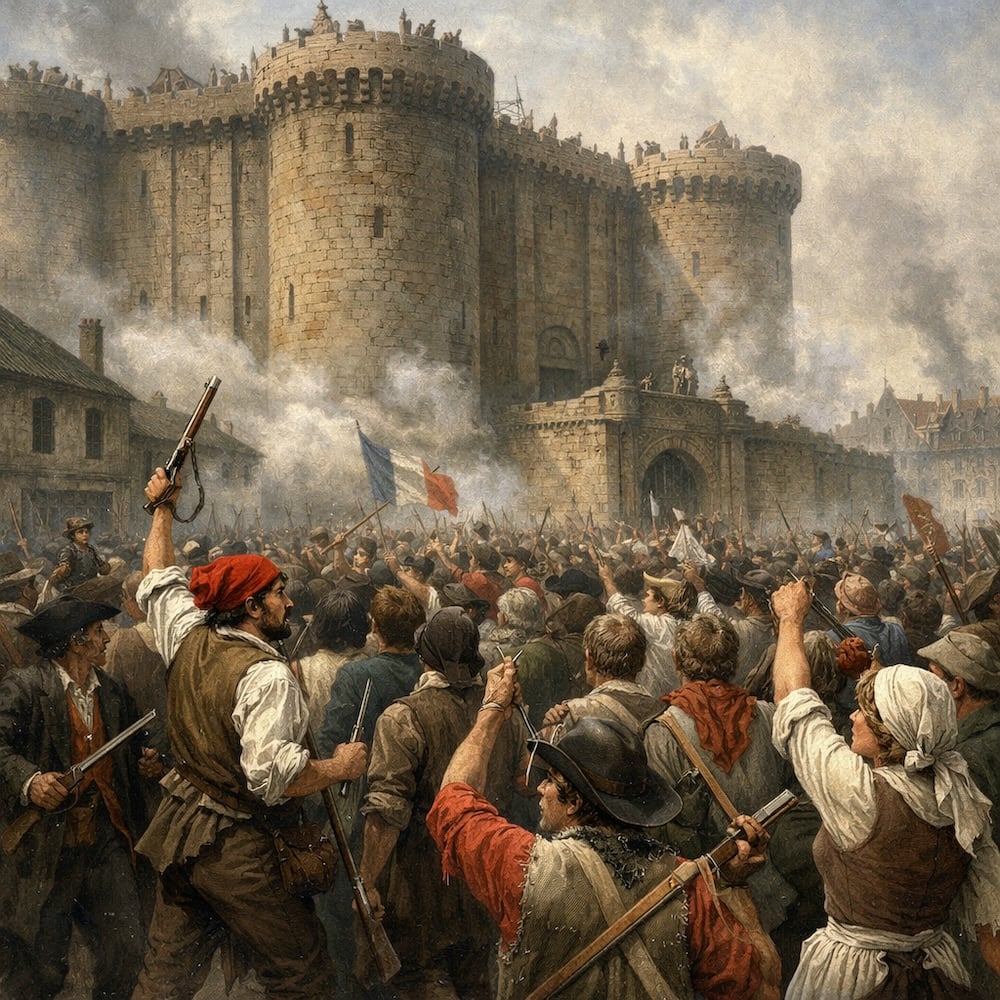
On July 14, 1789, it’s the storming of the Bastille. Eureka! The French Revolution has begun. While the whole country is rallying around human rights, there’s one guy who really knows what he’s doing: Palloy. This entrepreneur in charge of dismantling the prison proves to be a true businessman. While most of the stones go into building the Concorde bridge, Palloy seems to have listened a bit too much to Lavoisier. If "nothing is lost, everything transforms," then he’ll make products derived from the destruction of the Bastille.
© Shutterstock AI Generator / Shutterstock
2) The botanical garden was engulfed for Christmas celebrations.
We all know the story of the siege of Paris during the Franco-Prussian War of 1870. But do you know how the besieged people celebrated Christmas Eve in 1871?
For months, there was no beef, no pork, and no lamb in Paris. The Parisians had to resort to eating horses, cats, rats, rabbits… But the famous chef of the time, Choron, wasn't satisfied with just that. He decided to innovate. On the menu for the evening, you'll find various animals from the botanical garden.
s de Paris : stuffed donkey head, roast camel in the English style, kangaroo stew, bear chops, wolf leg, or even the famous elephants Castor and Pollux. But if you're hesitating to try it, don't! Testimonials say: « It was tough, coarse, and greasy, and I recommend not eating elephant », surprising, isn't it?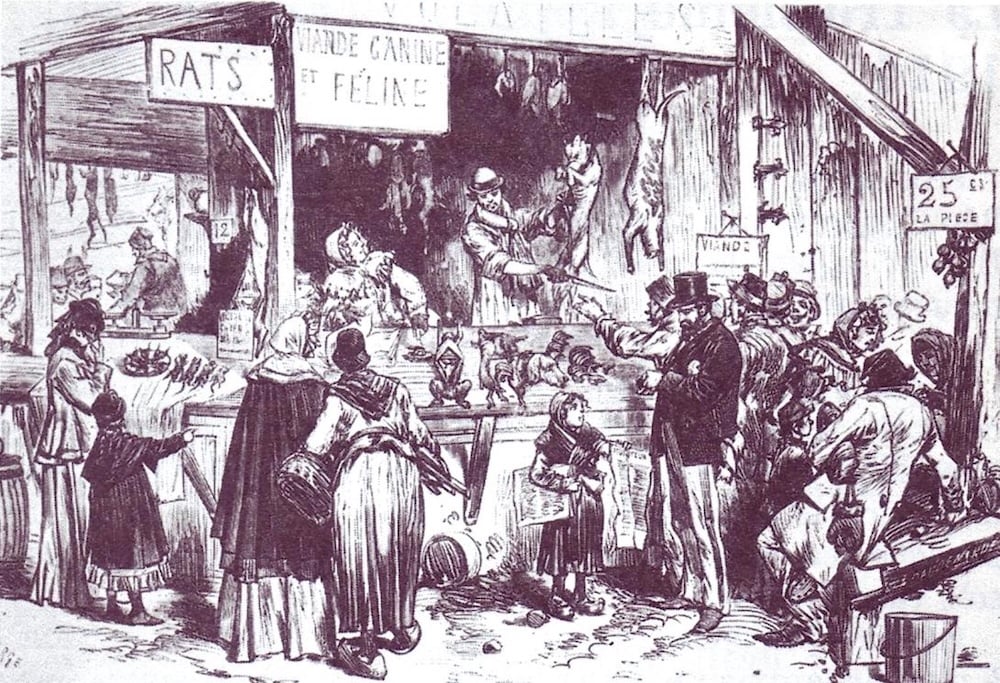
© BNF
3) So, what are we putting in zoos now?
Well… This one is far from glorious, we must admit. It seems that Parisians have apparently run out of animals in the zoos (we're not quite sure why…), so they simply decided to put humans in them instead. In 1877, you could find all over the place these “anthropozoological villages” showcasing the so-called life of the French colonies.
The phenomenon became so popular that a “Negro village” was exhibited on the esplanade of the Invalides for the 1889 World’s Fair. Sometimes, people had to wait for hours to see this "show". But if you think it couldn't get any worse, you're mistaken. People died in these enclosures.Due to the harsh living conditions, brochures will be sold (for 25 cents) to describe these "yellow", "black", and "brown" populations. In these booklets, the focus is mainly on scarring, fetishism, polygamy, and cannibalism.

© BNF
4) The Man Who Sold the Eiffel Tower
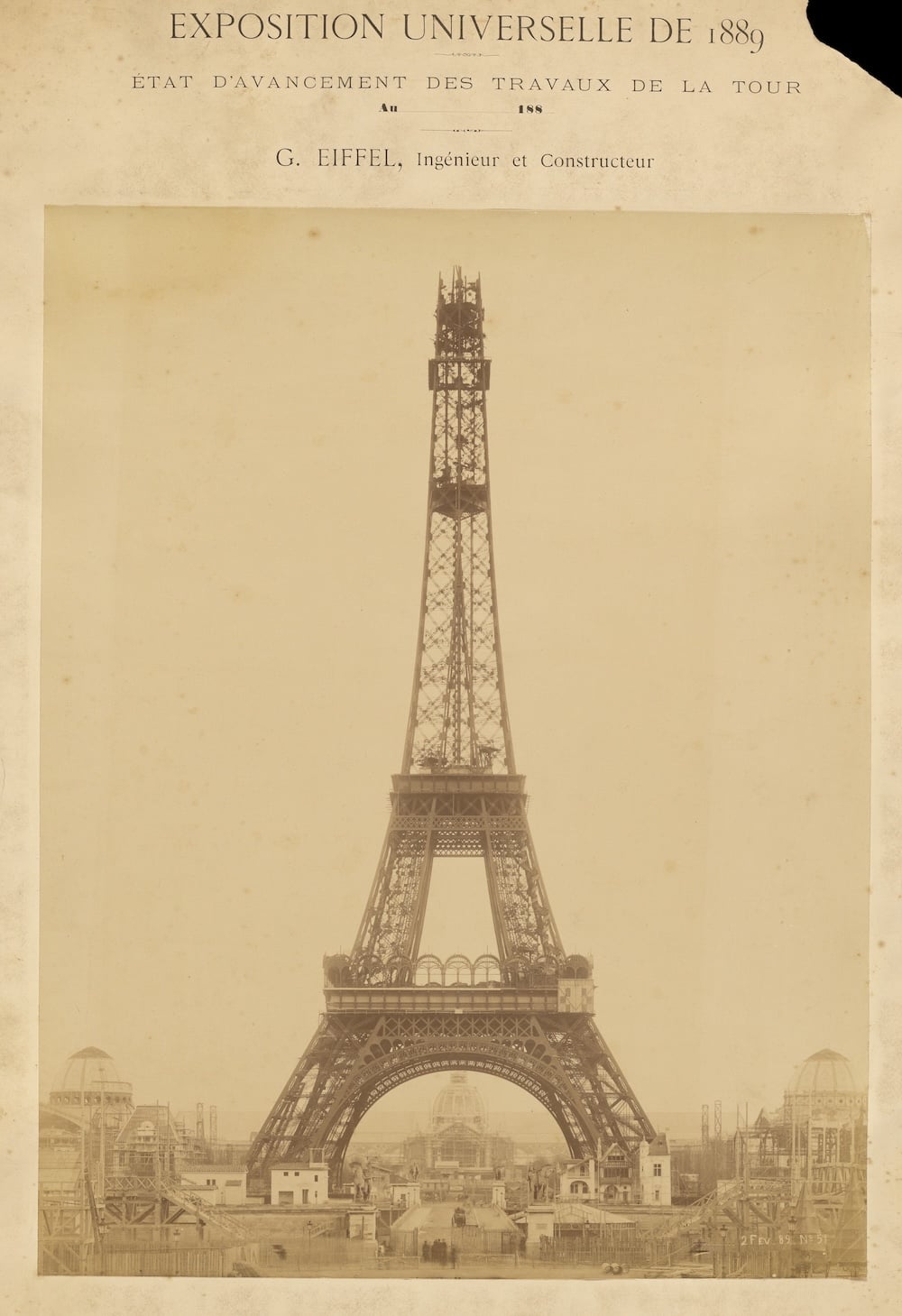
Victor Lustig, a notorious con artist of the 20th century, pulled off the unimaginable. When he learned in 1925 that the maintenance of the iron lady was costing a fortune, he seized the opportunity to take advantage of it. He posed as a government official and sent letters to scrap dealers in the city, warning them that the Eiffel Tower would soon be dismantled and sold for scrap metal. But shhh! We mustn’t say anything, because if the news spreads, public sentiment will catch fire. A scrap dealer fell for the trick and paid the bribe demanded by Lustig to get priority on the materials: 100,000 francs.
He then took refuge in the United States but was arrested years later, after pulling off more scams.many other people, including a certain Al Capone. The story goes that a photo of the Eiffel Tower was found in his cell saying "sold for 100,000 francs" on it.
© Rawpixel.com / Shutterstock
5) A Stranger in the Sewers of Paris
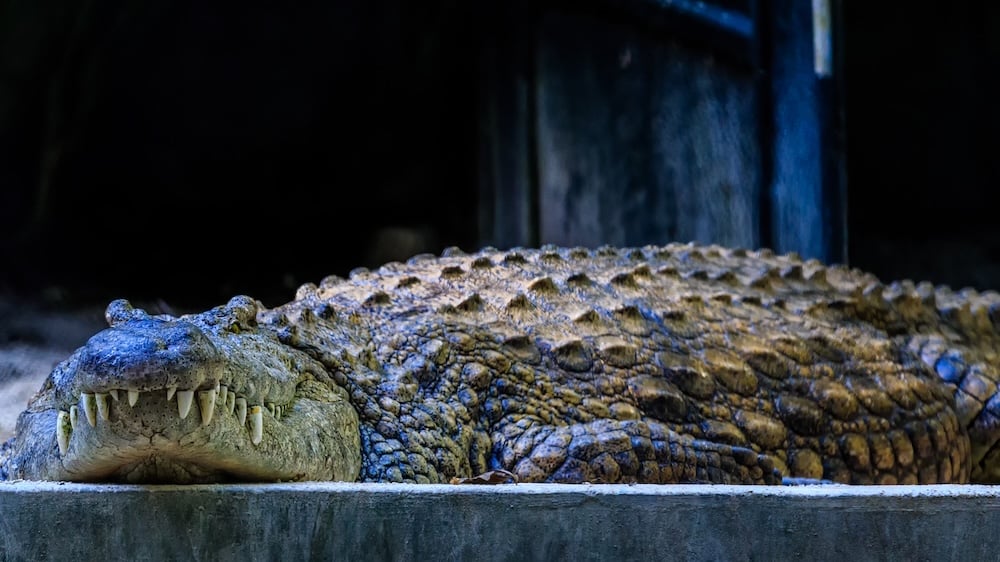
On March 7, 1984, Éléonore was discovered, having been living for about two months in the sewers of Paris. But if you feel sorry for this poor girl, she’s not at all who you might think. It turns out she’s an 80 cm long Nile crocodile. We can see where you’re going with this — no, she didn’t swim there. It is believed she was domesticated and then abandoned by her owners before making her home near the Pont Neuf.
Once rescued by the firefighters and examined by specialists, she was transferred to an aquarium.rave; Vannes, in the Morbihan. It has remained in a setting reproducing the sewers for 30 years, taking that time to reach 4 meters in length! In 2020, it will join a crocodile farm in the Drôme, but will leave us a year later, in 2021.
© F_N / Shutterstock