

Imagine a city where a mystical energy reigns, where colonial history meets African traditions, and where the sea is much more than just a backdrop: it’s a divine entity. Salvador de Bahia is all that and so much more. Come on, join me in this little article!
A festival where spirituality rhymes with a big party
As the capital of the State of Bahia, it's the birthplace of candomblé, capoeira, and above all, a culture where spirituality blends with celebration, and if you want to see this city in its most vibrant form, come on February 2nd for the Iemanjá festival. Every year, Salvador plunges into a mystical trance to celebrate Iemanjá, the goddess of the sea, sailors, and – let’s be honest – the best parties in the country.
Here’s a little reminder for those who weren’t paying attention in the back of the class during Afro-Brazilian culture lessons : Iemanjá is a deity of Candomblé, a religion that blends African traditions with Catholicism. Basically, she is the patron saint of fishermen and a beloved maternal figure for the people of Bahia.
And how do we pay tribute to her? Head over to the house of Iemanjá (just type "Rua da Paciência" into Google). The scene is incredible : a giant offering where thousands of devotees come to place flowers, jewelry, perfumes, and other gifts in boats that will eventually flow into the Atlantic. Want a picture? Well, just check out the illustration and imagine a gigantic bouquet of roses floating on the ocean, with tens of thousands of people dressed in white singing and dancing under the Brazilian sun from early morning to very late at night. I’m telling you, it’s a sight to behold!
our, this image will be engraved for life in my little jet-lagged brain.
Spiritual vibes… and a big party until dawn
But let’s not kid ourselves: after the prayers and offerings, Salvador switches to full electro-samba mode. The drums set the tempo in the streets, voices rise, and in an instant, the city transforms into a gigantic open-air stage. The energy is contagious; you can’t help but get swept away by the mesmerizing rhythms, bursts of laughter, and clinking glasses. Dancing isn’t an option; it’s a reflex. Even your mom would get caught up in it. The streets of the Rio Vermelho neighborhood turn into a human tide, where locals and visitors mingle, all united by the music and the thrill of the moment.
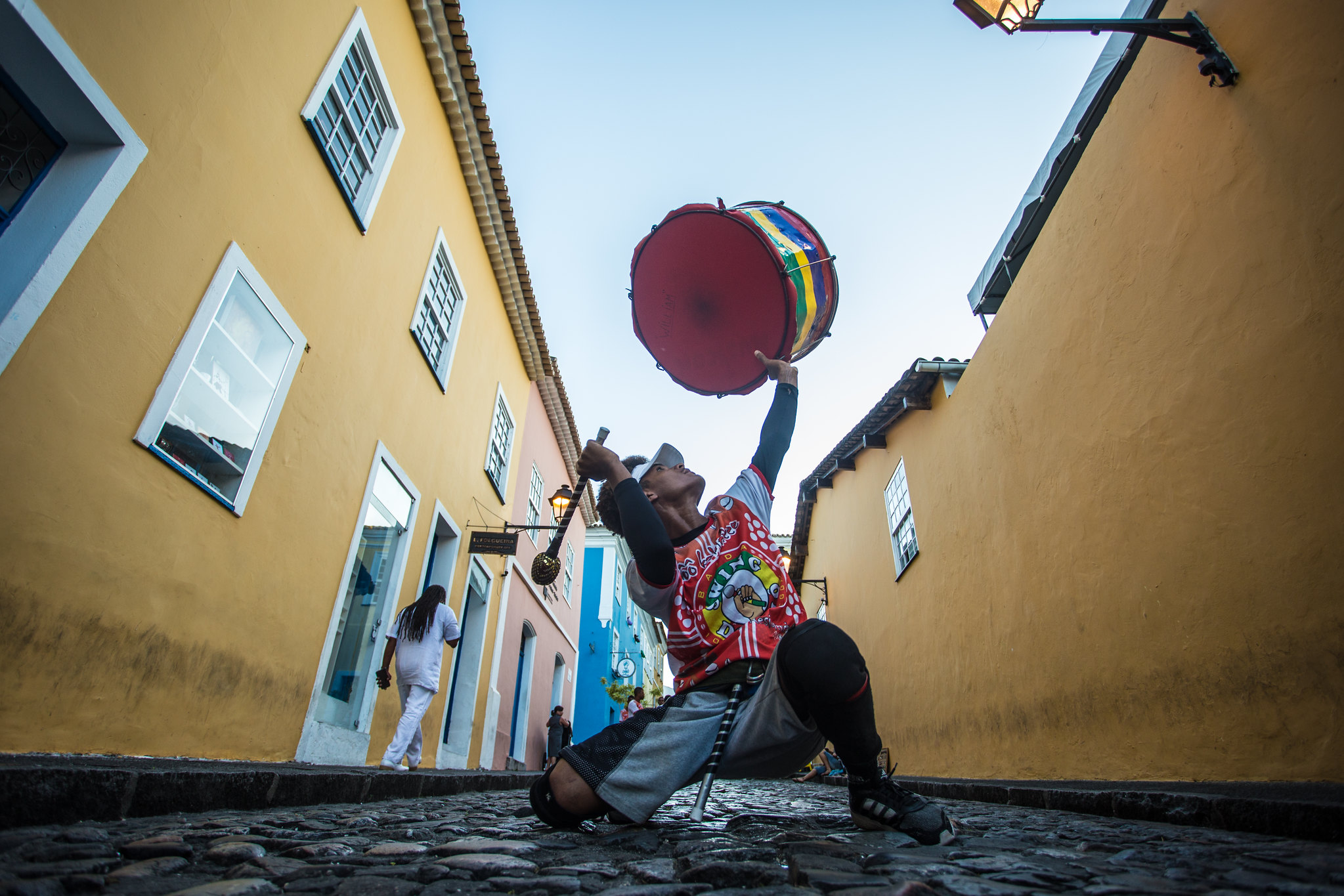
Between the homemade caipirinha stalls, the drumming groups that erupt in every corner of the street and the smells of grilled fish wafting through the air, the atmosphere is indescribable, even if I just did. And honestly, when you find yourself at 4 a.m. on the beach, surrounded by strangers who’ve become friends over two glasses of cachaça, watching the offering boats disappear into the ocean under a starry sky… You think that the Bahian people might just have figured out the secret to happiness.
We tried: asking for a blessing (and a beer)
A must-do for the true adventurers: getting blessed by a Mãe de Santo, a candomblé priestess. These spiritual figures hold an essential place in Bahian culture, acting as guides, healers, and intermediaries between humans and the divine. Their wisdom is passed down from generation to generation, and their connection with the orixás is profound.
These powerful deities are deeply rooted in the everyday life of the people from Bahia. Right in the street, between two sellers of acarajés (the best fried bean fritters in the world, no debate about it), a woman in a white dress offers you a branch of basil soaked in scented water and recites a prayer, calling down blessings upon you. The moment is suspended, caught between tradition and modernity, between faith and celebration. The result? A thrill, a sensation of purity… and an irresistible urge to keep the party going. Coincidence? I don’t think so..jpg)
Santo Antônio Além do Carmo: the most Instagrammable street in Salvador
Just fifteen minutes away from the hustle and bustle of Pelourinho, the neighborhood of Santo Antônio Além do Carmo is a charming getaway where time seems to stand still. Here, Rua Direita do Santo Antônio unfolds with its colorful façades, artsy little shops, and flower-adorned balconies, all with an irresistible laid-back vibe. Once a colonial stronghold, this neighborhood, once overlooked, is now a haven for artists, photographers, and travelers in search of authenticity.
As you stroll along its timeworn cobblestones, you'll pass by alternative art galleries, bohemian cafes, and craft shops where locals sell their creations. Take a moment to admire the azulejos that embellish certain walls, then settle down at a terrace with a caipirinha in hand to soak in the breathtaking view of the ocean. The street, which overlooks the Bay of All Saints, offers a stunning vista that will take your breath away.
rt and the boats gently dancing on the turquoise water.But Santo Antônio is also a foodie hotspot. Between two postcard-worthy photo sessions, we stop by one of the neighborhood’s pizzaiolos to enjoy a crispy, thin slice, made with love and a hint of Bahian magic. In the evening, the atmosphere takes it up a notch: the streetlights cast a warm glow on the pastel facades, guitars tune up, and cheerful conversations fill the air. We raise our glasses, dance, and promise to come back, again and again.
Sieh dir diesen Beitrag auf Instagram an
In the neighborhood of Carlinhos Brown: music as a school of life
If there's a place where rhythm reigns supreme, it's definitely the Candeal neighborhood, the playground of the legendary Carlinhos Brown. This guy isn't just a musician; he's a living institution. Besides putting Brazilian funk on the global map, he has turned his neighborhood into a musical incubator with his Pracatum association, which offers percussion classes to local youth.
We tried a workshop with them, and let me tell you, even if you have two left feet, here, everyone becomes a musician. Kids as young as 10 hit the drums like pros, adults play timbales with crazy energy… In just a few minutes, you find yourself drumming along with them, completely swept up by this pure and authentic vibe.
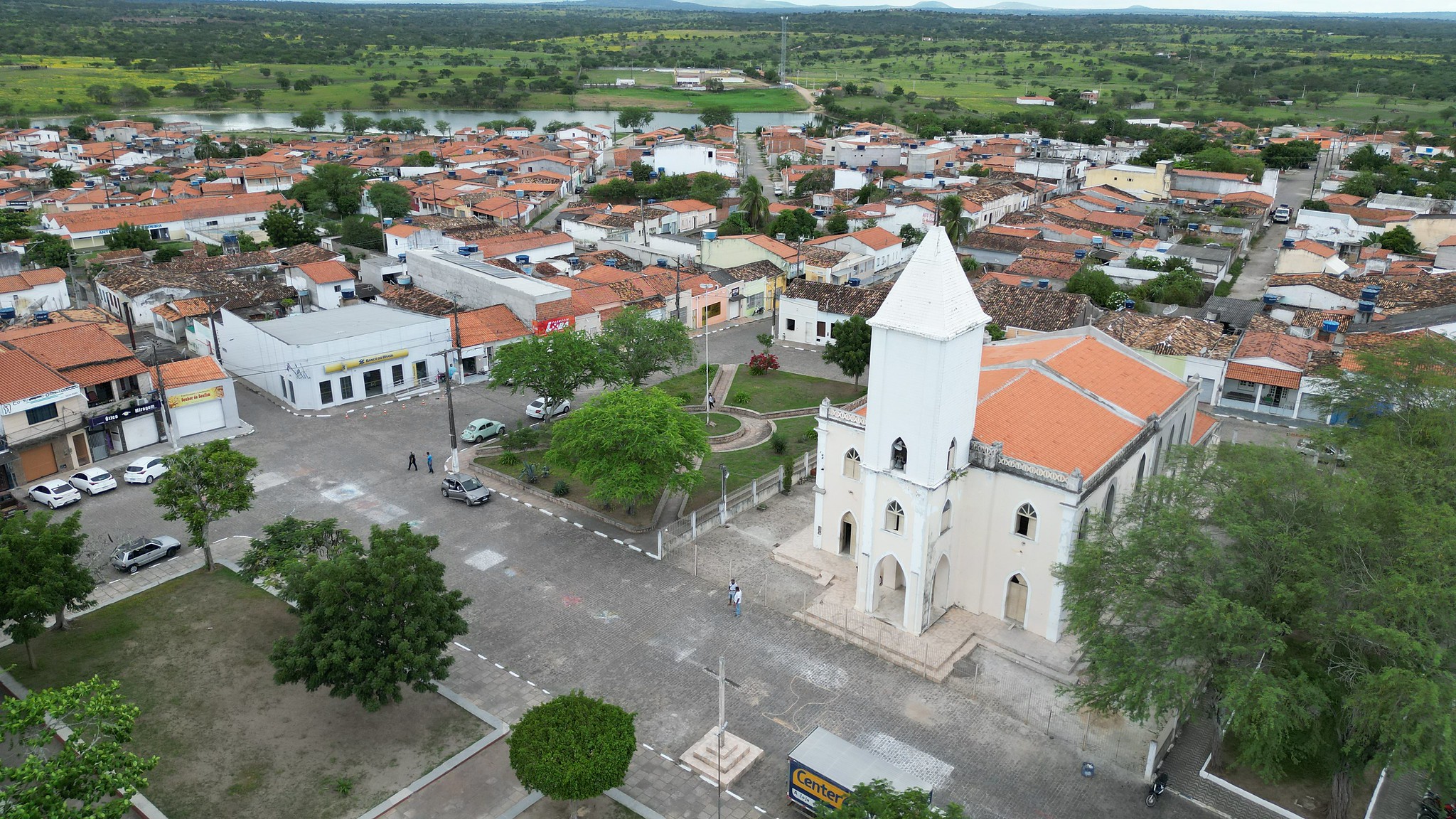
Candeal is the vibrant heartbeat of Salvador, where music is more than just an art form: it’s a universal language, a way to bring people together and uplift an entire neighborhood.
The Historic Center: A Postcard in Motion
You can’t visit Salvador without getting lost in the cobblestone streets of Pelourinho. With its colorful facades, wrought-iron balconies, and colonial churches, it’s Brazil at its most splendid. But behind this beauty lies a darker past: it was once here that enslaved people were exhibited and sold. Today, this neighborhood stands as a symbol of resistance and Afro-Brazilian culture.
Here, it's buzzing. It's dancing. It's singing. Between the capoeira groups performing right in the street and the beats of Olodum (the ones who collaborated with Michael Jackson on "They Don’t Care About Us"), Pelourinho is alive, loud, and fascinating.
Want a little tip? Climb up to Terreiro de Jesus for a panoramic view, stop to taste a moqueca (a fish stew with coconut), and let yourself be surprised by the unique energy of the place.
The Municipal Market and São Joaquim: Total Immersion
If you want to understand the real Salvador, you have to go where the city does its shopping. First stop: the Mercado Municipal, an explosive mix of colorful stalls, fragrant spices filling the air, and Bahian locals bargaining with incredible flair. Here, you'll find the best tropical fruits, freshly caught fish, and herbs used in candomblé rituals.
But for an even rawer experience, head over to the market...
ché de São Joaquim, a gigantic labyrinth where vegetable vendors, sellers of religious items, and cooks whip up local dishes right in front of you. It's a lively atmosphere filled with the sounds of bustling activity and the tempting aromas of street food that grab your attention. There are little hidden stalls where you can sip on sugar cane juice while watching the hustle and bustle… This is authentic Salvador, unfiltered.Voir cette publication sur Instagram
And if you're curious, ask a shopkeeper to explain the use of the strange leaves and powders they sell: here, spirituality blends with daily life, and every ingredient has its secret.
Honestly, after a week here, it's hard to leave. So if someone offers you a ticket to Salvador de Bahia in February... just say yes.