
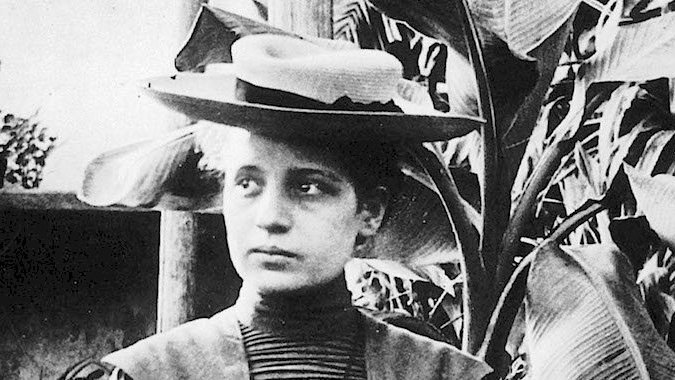

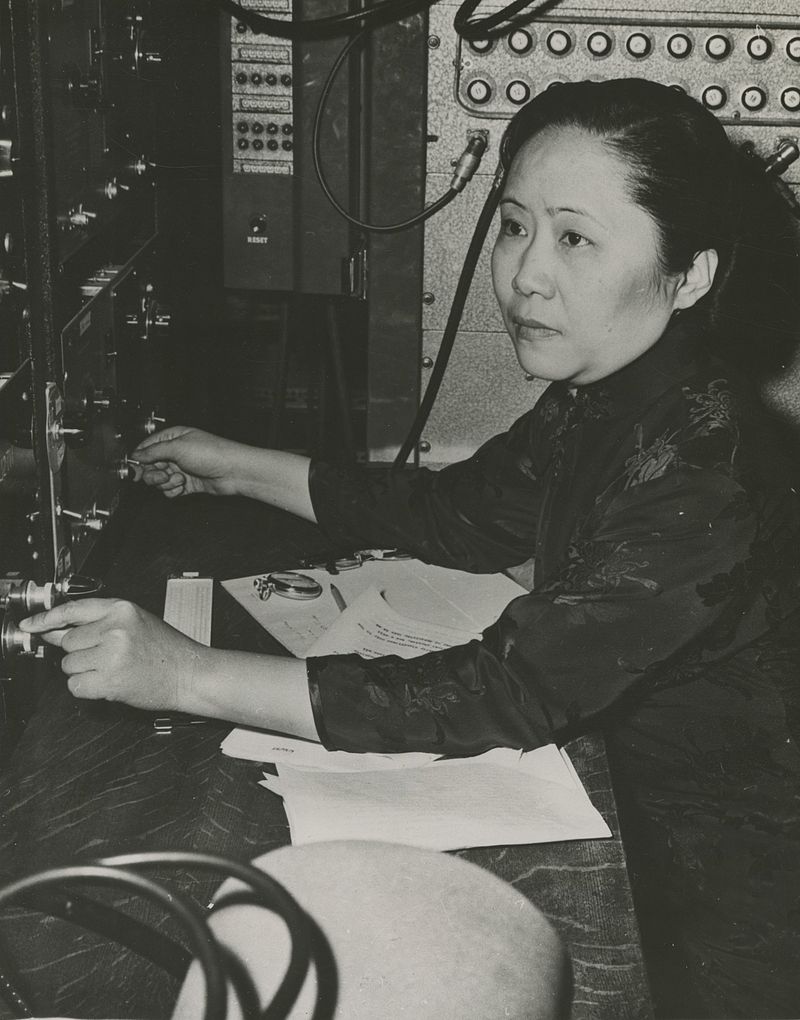
Chien-Shiung Wu
This Chinese physicist (among other things) contributed to the development of the atomic bomb, how amazing is that? In the 1940s, she was recruited by Columbia to conduct research on radiation detection and uranium enrichment. After her work, she stayed in the United States and became recognized as one of the best experimental physicists of her time.
In the mid-1950s, two theoretical physicists, Tsung-Dao Lee and Chen Ning Yang, approached her to help them refute the parity law. Wu's experiments led to the revision of this law. This important step led to a Nobel Prize in 1957 for Lee and Yang, but Wu was overlooked. Pnina Abir-Am, a historian of science, later confirmed that Wu's ethnicity had also played a role...
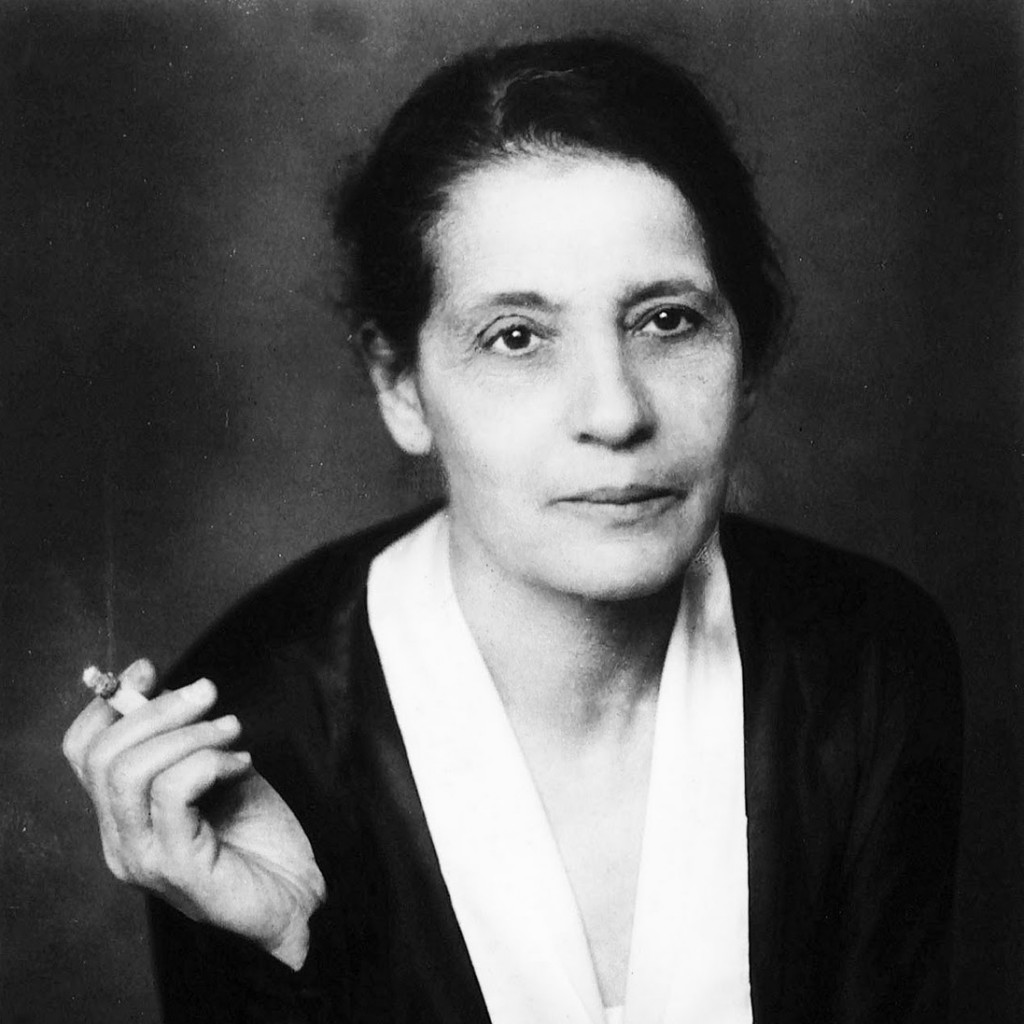
Lise Meitner
This Austrian woman was at the center of an incredible tangle of sexism, ethnicity, and politics. After obtaining a physics doctorate in Vienna, she moved to Berlin in 1907 and worked for nearly 30 years on nuclear fission with chemist Otto Hahn.
In 1938, the Nazis annexed Austria and Meitner, who was Jewish, moved to Stockholm while secretly continuing to work with Hahn through correspondence. Although he conducted the experiment that produced proof of nuclear fission, he couldn't explain it. Meitner, along with her nephew Otto Frisch, provided him with the theory. In the end, Hahn published his research without including Meitner as a co-author and received the Nobel Prize.
Some have justified this attitude due to the risks he would have faced by revealing that he was working with a Jewish woman under Nazi Germany.
Nettie Stevens
If we know that an individual's sex determines .determined by the XY system, in which women have two X chromosomes (XX) while men have one X chromosome and one Y chromosome (XY), thanks to Nettie Stevens. She made this discovery at Pomona College in California while conducting experiments on mealworms. But that's not all: it was Thomas Hunt Morgan, another colleague of theirs, who won the Nobel Prize in Physiology or Medicine in 1933 "for his discoveries concerning the role played by the chromosome in heredity," according to the Nobel Foundation. Let's remember that Nettie Stevens made this discovery... in 1905. Rests also the task of identifying all the women who have been victims of the Mathew Mathilda effect, which consists of repressing or denying the contributions of female researchers to science.>