

1. It's a Rush at the Turnstiles
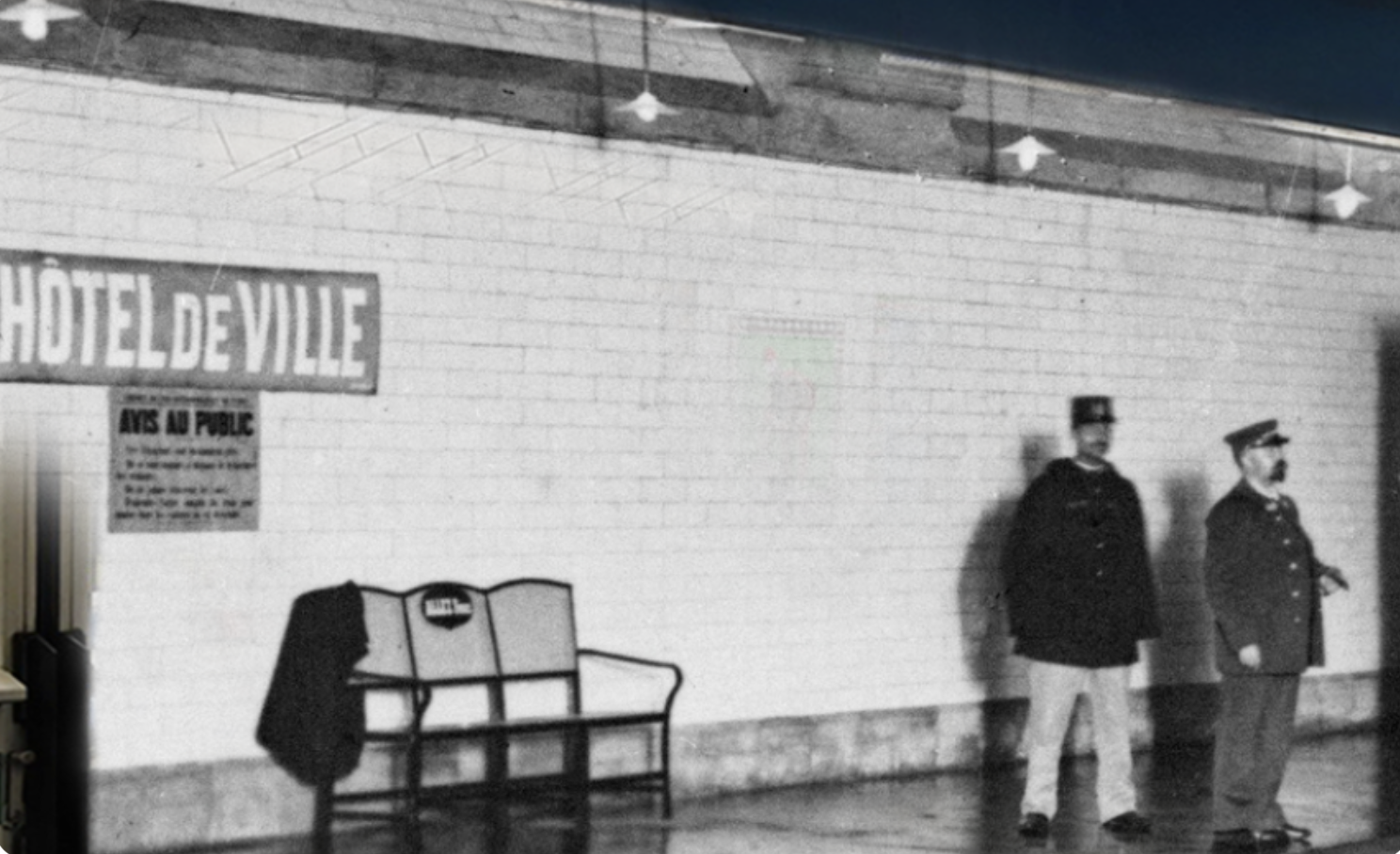
Here, we talk about the turnstiles of the metro where Parisians would (and still do) crowd around. During rush hour, people would jostle at these turnstiles to get through as quickly as possible to the platforms. Today, it refers to the idea of competition to reach a goal.
.
© RATP
2. Charabia
For this one, we didn't have to look far. "Charabia" popped up in the early 19th century in the streets of the capital to refer to the incomprehensible dialect of the Auvergnats.
3. Entering at the Eye
This one is for the most frugal of you, the ones always in search of good deals to save. "Entering at the eye," meaning to get in somewhere for free, comes from the French vice squad. Their agents had a little eye on the back of their jackets to sneak into brothels for free and keep an eye on things.
4. To Be a Cart
Even though we might think it comes from the countryside, this expression actually hails from the jargon of architects. Back then, architecture students at the Beaux-Arts had to submit a model created in no time at the end of the year, and a cart would come to pick them up. That's where this expression comes from, which now means being short on time !
5. Being in trouble
This expression meaning « to be in a disastrous situation » is said to come from a circus drummer at the Olympique who dreamed of becoming an actor. Unfortunately for him, during his first appearance on stage, he said « What a disaster, my emperor » instead of « What a disappointment, my emperor ». A mistake that followed him for the rest of his life, and even beyond… what a shame.
6. Partying it up
When we say we’re partying it up, we're really celebrating, and we’re doing it right !This expression comes from a popular dance from the 1910s that emerged in Paris. It was created by the accordionists in response to the very, perhaps overly, codified soirées of high society where everyone danced the waltz.
7. Gamin
Originating in the Parisian suburbs, at a time when the term gaminer meant to move around energetically, the word gamin simply referred to the children who spent their time having fun in the streets… Makes sense, right?
8. Guinguette
What a joy to know that this word we all love to say when summer arrives comes from our region! It used to refer to the small popular cabarets around Paris where people would go to eat and drink. The word comes from “guinguet,” a cheap white wine.
ng> served in these places.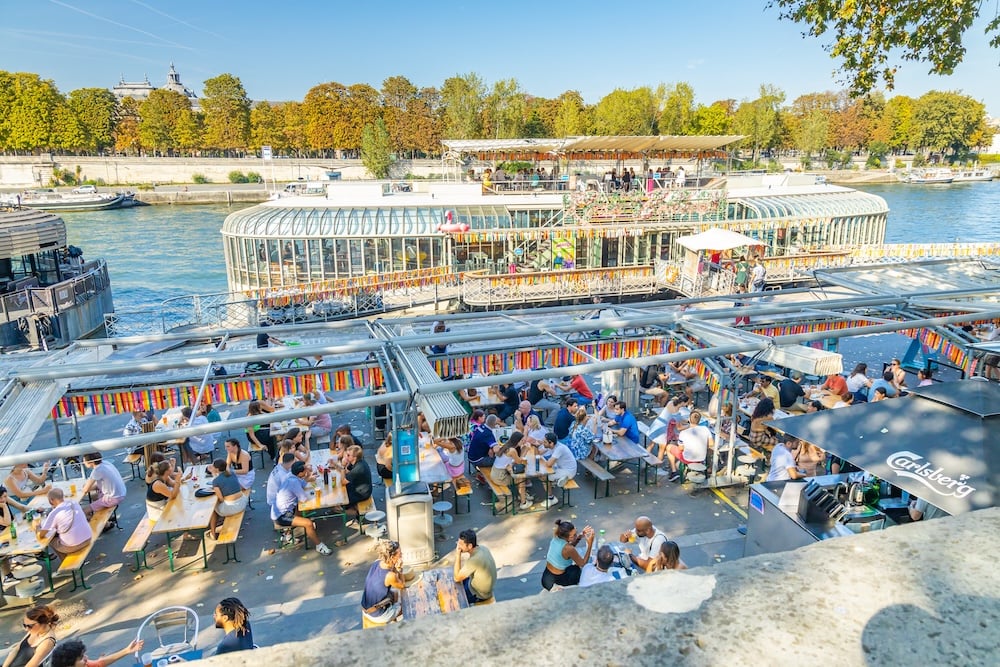
© JeanLucIchard / Shutter Stock
9. The Neuneu Festival
Okay, we have to admit, this one doesn’t actually come from Paris, but from Neuilly. It refers to the fairground festivals, established by Napoleon, that took place every year in Neuilly-sur-Seine (neuneu) to entertain the people of Paris and its surroundings.
10. The Thune
No need to remind you that "thune" means money, right? But did you know that this term comes from 5-franc coins right after the French Revolution? Yep, back then, "thune" referred to alms, and this coin was the most commonly given to those in need.
x à l’époque.
11. Metro-work-sleep
No doubt about this one, it's a Parisian expression that refers to the Parisian way of life. It comes from the poet Pierre Béarn, who used it to describe the monotony of working in a factory. Today, we use it to describe the routine of the average Joe in Paris.
12. High Noon
If you decide to really dive into this experience, then head over to the Palais-Royal Garden, where a solar cannon was inaugurated in 1786. Every day at noon sharp, the rays of the sun were focused through a lens, igniting some gunpowder, which produced a little bang. Over time, this expression has expanded to include all hours of the day.
13. We're not going to wait 107 years
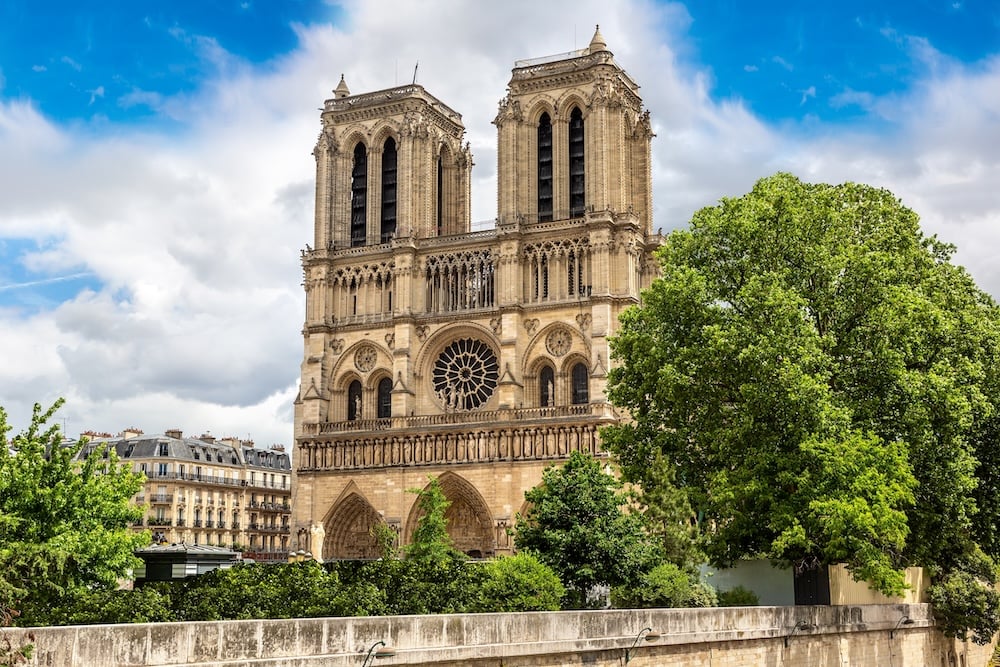
Even if you haven't used this expression since college, you deserve to know where it comes from! According to legend, one hundred seven years dates back to the construction time of the Notre-Dame Cathedral in Paris. What's unfortunate is that this construction project actually took nearly 200 years…
© Sergii Figurnyi / Shutter Stock
14. To Stay out of Trouble
For this expression, you might need a bit of background. Back in the day, "carree" meant home. So for the police, someone who stayed at "carree" was not suspicious since they remained calm at home. Over time, "carree" evolved into "carreau".