

When you look at Paris through its monuments, you see the postcard. But when you look at it through its kebabs… it tells a completely different story. The glowing signs create popular corridors, invisible boundaries, and areas undergoing transformation. These glowing signs outline the popular neighborhoods, the ongoing social separations, and the areas in change.
Voir cette publication sur Instagram
They tell us where the working-class neighborhoods are, where the new, more affluent residents settle, and how fast food becomes a social marker all on its own. In short: reading Paris through kebabs is about experiencing the city as it truly is, not just how it's marketed.
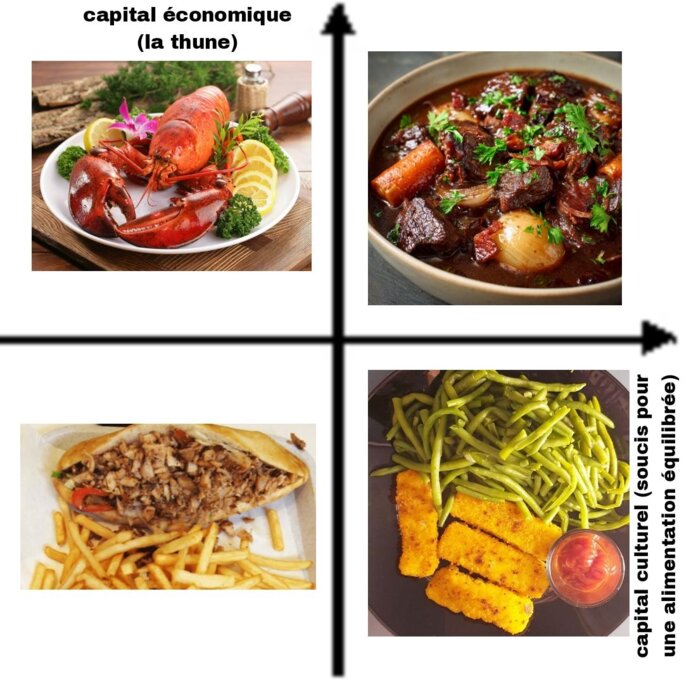
Kebab vs Paris chic: the menu that says it all
The kebab menu confirms what you can guess while wandering around: the more a neighborhood is popular, young, or located along a major thoroughfare, the more kebab shops pop up. On the flip side, the boutique districts have a strict regime, "sometimes three kebabs for fifteen ministries," as described by Jules Grandin, a journalist at Les Echos, in a recent video investigation.
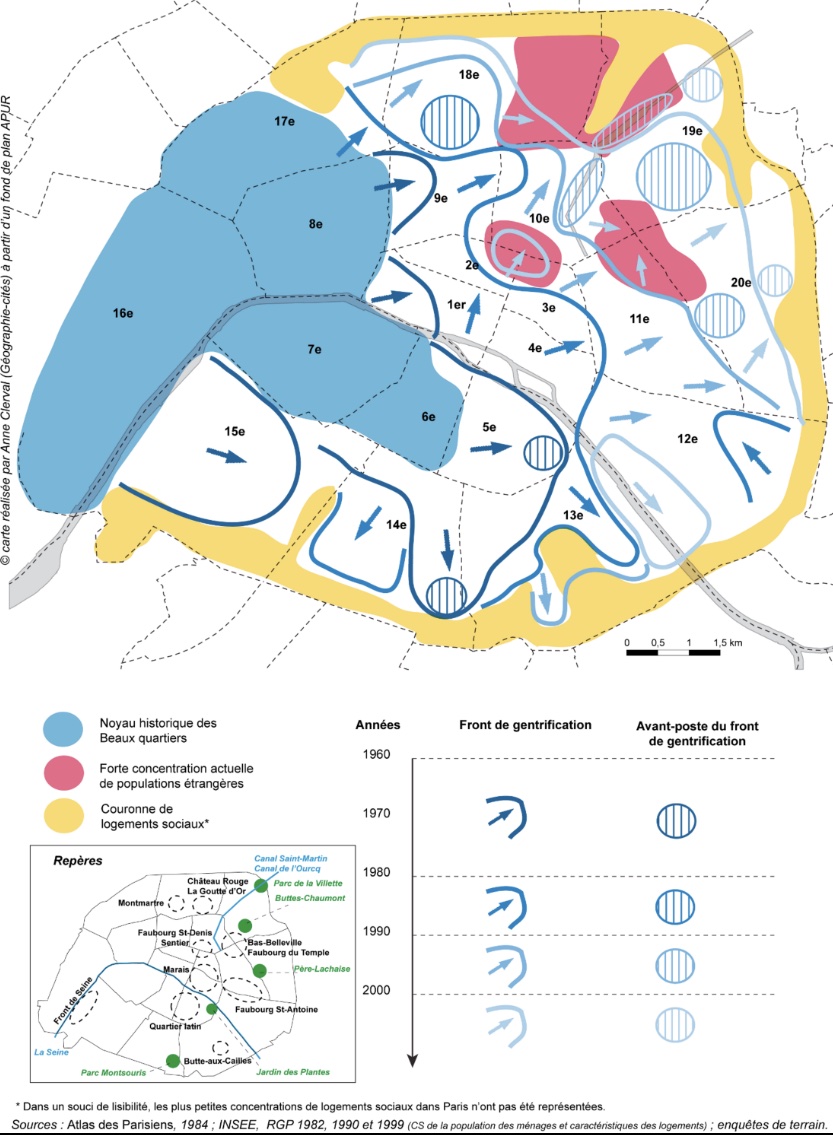
This distribution perfectly aligns with the gentrification maps studied by geographer Anne Clerval: a process that started in western Paris and is slowly spreading eastward and into the suburbs. The areas where kebabs are concentrated are precisely these "outposts": neighborhoods that are still popular but undergoing significant transformation.
(see the map below).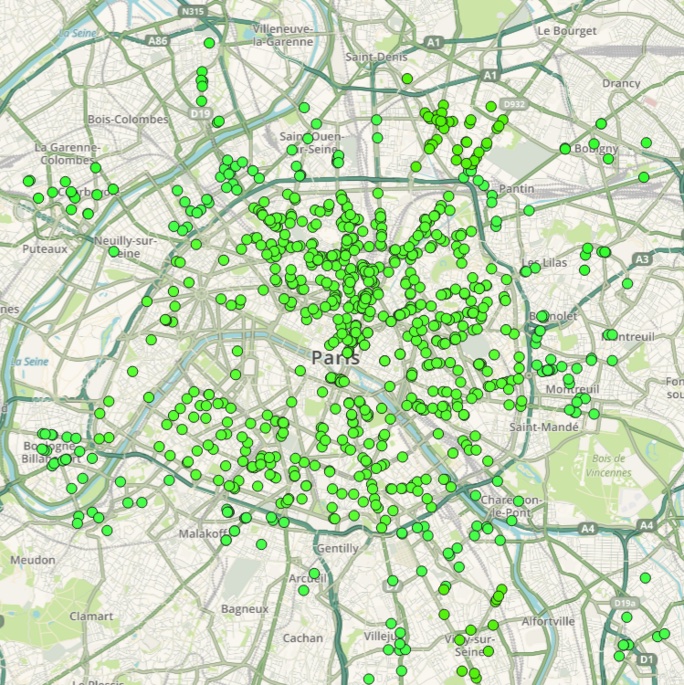
Kebabs are getting a makeover (and it stings a bit)
For a few years now, a new kind of kebab is blooming: more “clean”, more stylish, more expensive… and above all, aimed at a wealthier audience. A prime example is Basis, located in the Belleville neighborhood in the 20th district, which sparked a controversy at the beginning of September by announcing its ambition to serve a “cool” kebab without the “weird guys at the counter”.
Voir cette publication sur Instagram
Behind this polished aesthetic lies a classic logic of gentrification: celebrating a "reimagined diversity" (tofu, red cabbage, Scandinavian decor), all while rendering invisible the communities and the cultural codes that gave rise to this popular dish. This "whitening" of the kebab has become a symptom of the social reshaping in the Northeast neighborhoods.
Message du concerné (il a pas X) pic.twitter.com/ACGLTzKKo7
— ElCuisto (@ElCuistoo) September 19, 2025
That said, this evolution does not replace the vast majority of kebabs, which remain very affordable and are deeply rooted in popular practices. Even in neighborhoods that are changing rapidly, gentrification doesn't always mean a complete disappearance of accessible places: many retain a true social diversity and an affordable economic offer.
.
Chicken: the new must-have in popular neighborhoods
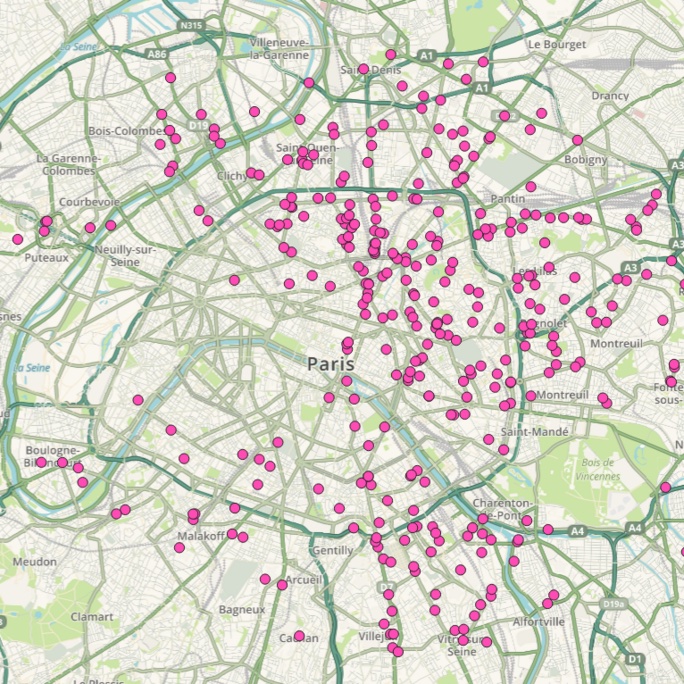
In the face of the rising price of kebabs, another player is making a big entrance: halal chicken fast-foods, with meals costing under 10 euros. Their menu is similar to that of kebabs, but even more socially defined: almost non-existent in the western parts of Paris, but ubiquitous in the East and the inner suburbs.
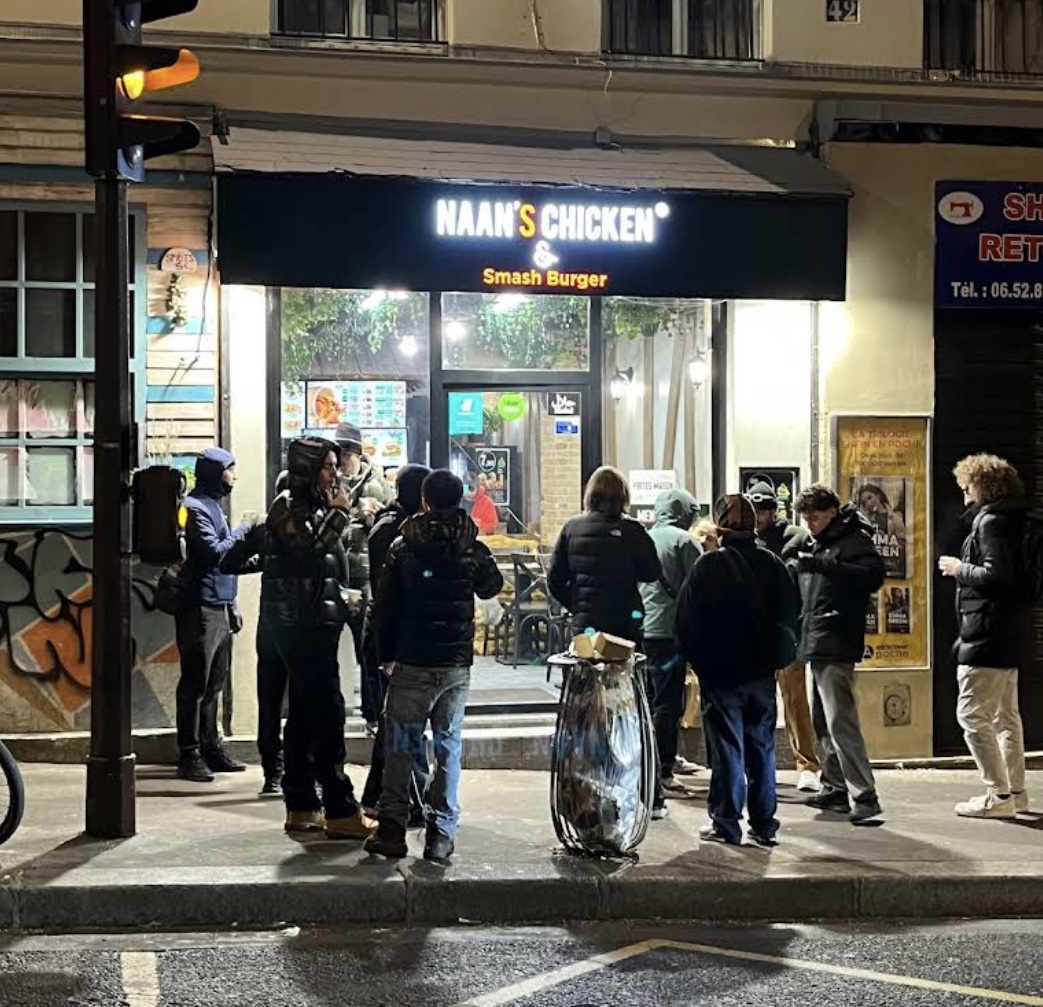
Their success is attributed to both geography and the eating habits of working-class people. Eating at low cost, quickly, sometimes halal, in a familiar place: chicken perfectly fulfills this need.
It becomes the most accessible alternative where residents face financial constraints, a lack of time, and food environments saturated with ultra-processed options (see the map below compared to the kebab map).
Popular Social Spaces and New Stigmas
Moreover, kebabs are not just sandwiches: they're a social space linked to immigration, a place where a sense of belonging is built, sometimes even a kind of “turning the stigma around”. Chicken fast-foods, often focused on takeout, partially fill this role... but they just can’t compare.
Voir cette publication sur Instagram
Their rapid expansion is causing hostile reactions, petitions, and concerns about potential "nuisances" (similar to a recent controversy over the establishment of a Carrefour City in an upscale neighborhood in the 6th arrondissement) reminiscent of the responses once directed toward kebabs. This shows that chicken has now symbolically and socially taken over from kebabs as the food reference for the working class.
Ultimately, while the map of kebabs reveals the social structure of Paris, the chicken map further enhances it. Between the gentrification of the sandwich, the rise of low-cost chicken, and the transformation of popular spaces, fast food tells a much broader story: that of a city that is reshaping, filtering, and becoming more bourgeois, where the choice of a simple quick meal sometimes says more than a report from the INSEE.