A little-known but very serious phenomenon
One of the main causes of this heatwave is climate change, which is leading to increasingly frequent marine heatwaves. However, these episodes of marine heatwaves are little known and underreported, which doesn't make them any less important, far from it! Right now, since May 16th, the Mediterranean Sea is experiencing extreme heat. The sea surface temperature (SST) is reaching peaks of +5 degrees compared to the average along the Spanish, French, and Italian coasts. These heatwaves occur when ocean temperatures surpass an extreme threshold for more than five consecutive days. But how is this threshold calculated? Robert Schlegel explained that it is calculated using historical temperature records "based on a 30-year average (e.g. 1981-2010) and are determined by smoothing the average daily temperatures over these years.It is what is called in science a "climatology" and it represents the average temperature expected for each day of the year.

A worrying situation
In the current climate, oceanic heatwaves in the Mediterranean last only about two weeks. In the worst scenario predicted by the IPCC, with a warming of +5 degrees, the simulations suggest that they will be four months longer and four times more intense, according to a study on the evolution of oceanic heatwaves in the Mediterranean by the CNRS. Scientists have also expressed that only the scenario of limited warming to +1.5 degrees compared to 1990 willThis could help calm down the worsening of these heatwaves. But unfortunately, with climate change, these heatwaves are expected to become longer and more frequent. "Between 1925 and 2016, the number of annual marine heatwave days worldwide has increased by over 50%," reports Carole Saout-Grit, an oceanographer physicist, contacted by Le HuffPost. As for the consequences, past marine heatwaves suggest major changes in ecosystems.
Endangered Species
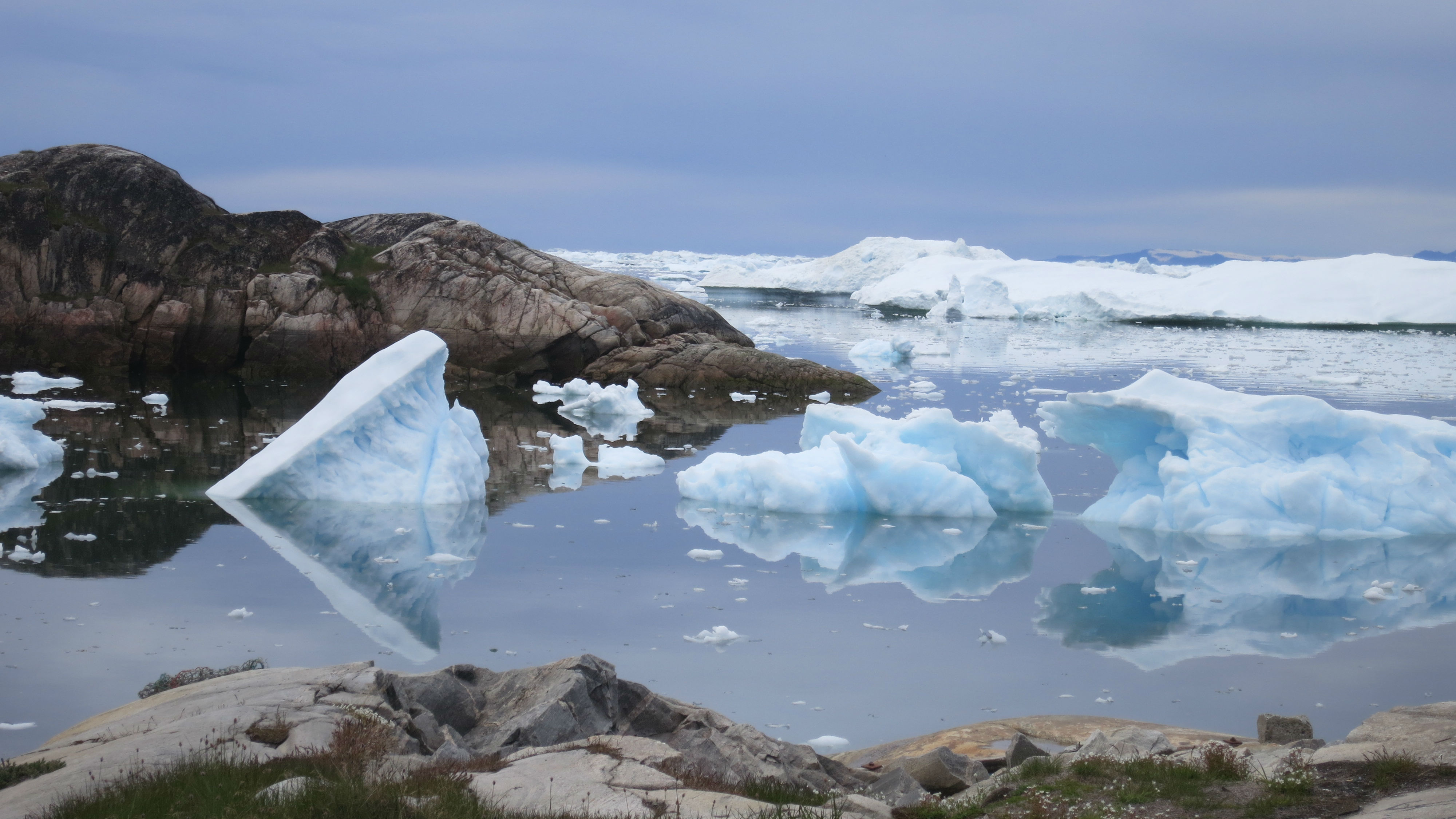
With rising temperatures, some species will be unable to migrate and will perish, like in the Arctic for example, where ecosystems depend on ice and will be eradicated with the melting of sea ice. In fact, if we continue our current way of living by 2050, Robert Schlegel presents a much more pessimistic outlook: "most of the world's oceans will be forced to change. But what will they change into, that's difficult to say." But the good news is that by adopting good behaviors,It is still possible to save the planet and our oceans!