

Tony Garnier, a visionary architect in need of greater protection
His name is everywhere in Lyon, but his legacy sometimes remains overlooked. Could architect Tony Garnier (1869-1948), a pioneer of modern architecture, one day join UNESCO's World Heritage list? This is the ambition being pursued by the Tony Garnier Institute, which has been working for several years on a candidacy to recognize and preserve his creations.
Born in Lyon, the architect imagined a more functional and more humane city, particularly in his theoretical project An Industrial City, published in 1918. But several of his buildings are today facing urban transformations and conservation challenges. For the Institute, international recognition would help raise awareness of this work and strengthen its protection.
© EBASCOL / Shutterstock.com
Four emblematic sites in the spotlight
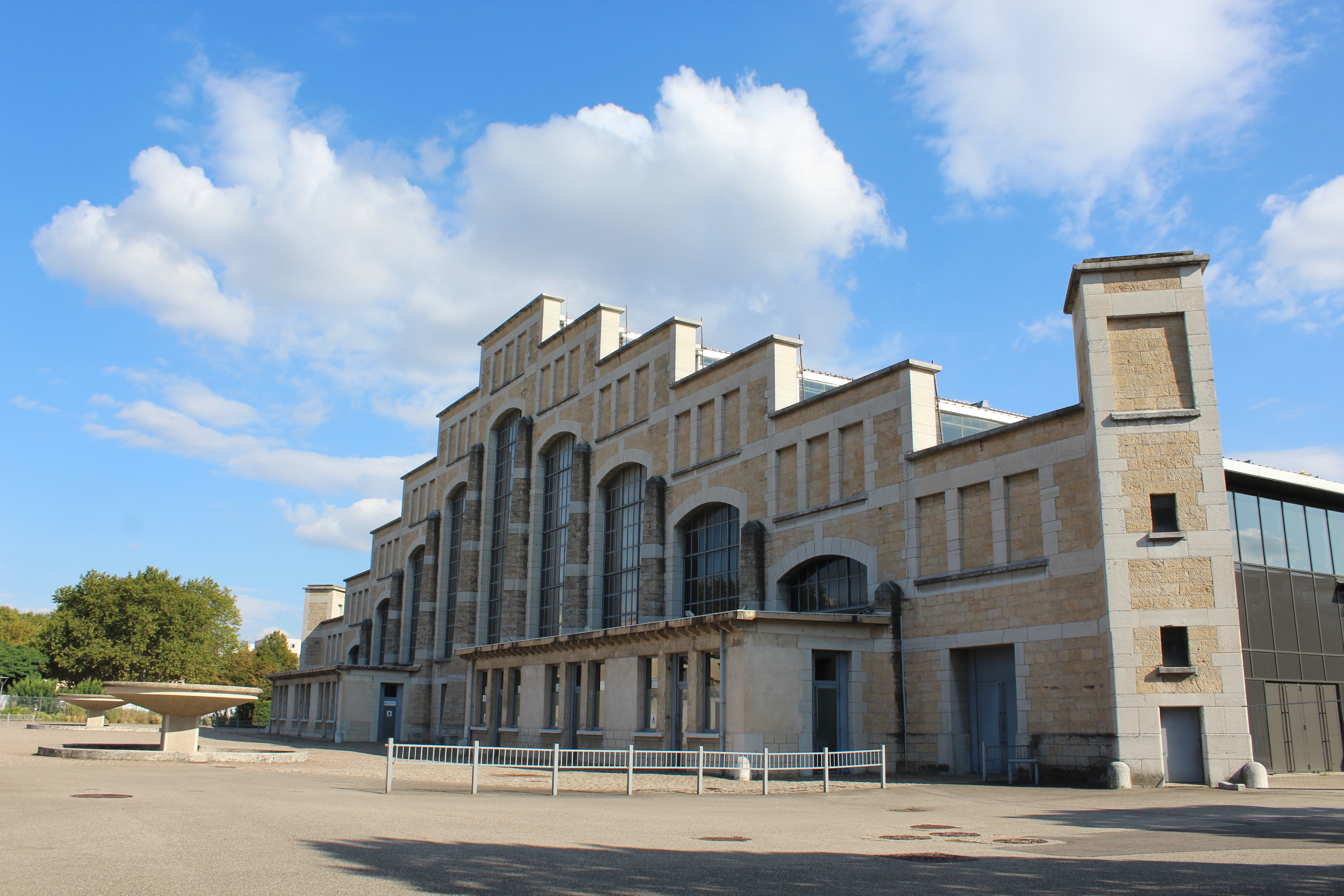
The proposed candidacy is based notably on four major achievements. Tony Garnier Hall, in the 7th arrondissement, impresses with its immense metal structure. In the 8th, the United States City-Museum reflects the architect's social vision, with its housing and monumental frescoes. Another testament to his genius: Édouard-Herriot Hospital, designed as a group of pavilions organized to promote hygiene and care. Finally, the Island of Memory, in Tête d'Or park, highlights his talent for combining architecture and landscape.
A ranking still far from certain
While the Tony Garnier Institute actively defends this project, UNESCO inscription is not yet guaranteed. A candidacy of this scale requires institutional support and a lengthy validation process. Discussions with local authorities therefore remain crucial. The listing could also raise questions about heritage constraints and future urban development. But for Tony Garnier's supporters, the stakes are clear: preventing this major legacy from gradually fading away.
Lyon already has a UNESCO World Heritage site since 1998 (including Old Town Lyon, the Peninsula, the Fourvière hill and the Croix-Rousse slopes). Getting greater recognition for the city's modern architecture would allow us to tell another chapter of its history, one that
an architect who helped shape the city of tomorrow.