

A traboule that doesn't traboule
In Lyon, traboules are part of the scenery. You push open a door, cross a courtyard, climb a few steps and, hey presto, you pop out on another street. But some Lyonnais courtyards like to bend the rules: they give the impression of allowing passage, without actually connecting two streets. That's where the miraboule comes in!
The term was reportedly popularized in the 1960s by Lyon historian Félix Benoît. His idea was simple: to distinguish genuine through-passages from interior courtyards that look like traboules but are actually dead ends. A kind of architectural "false friend," really.
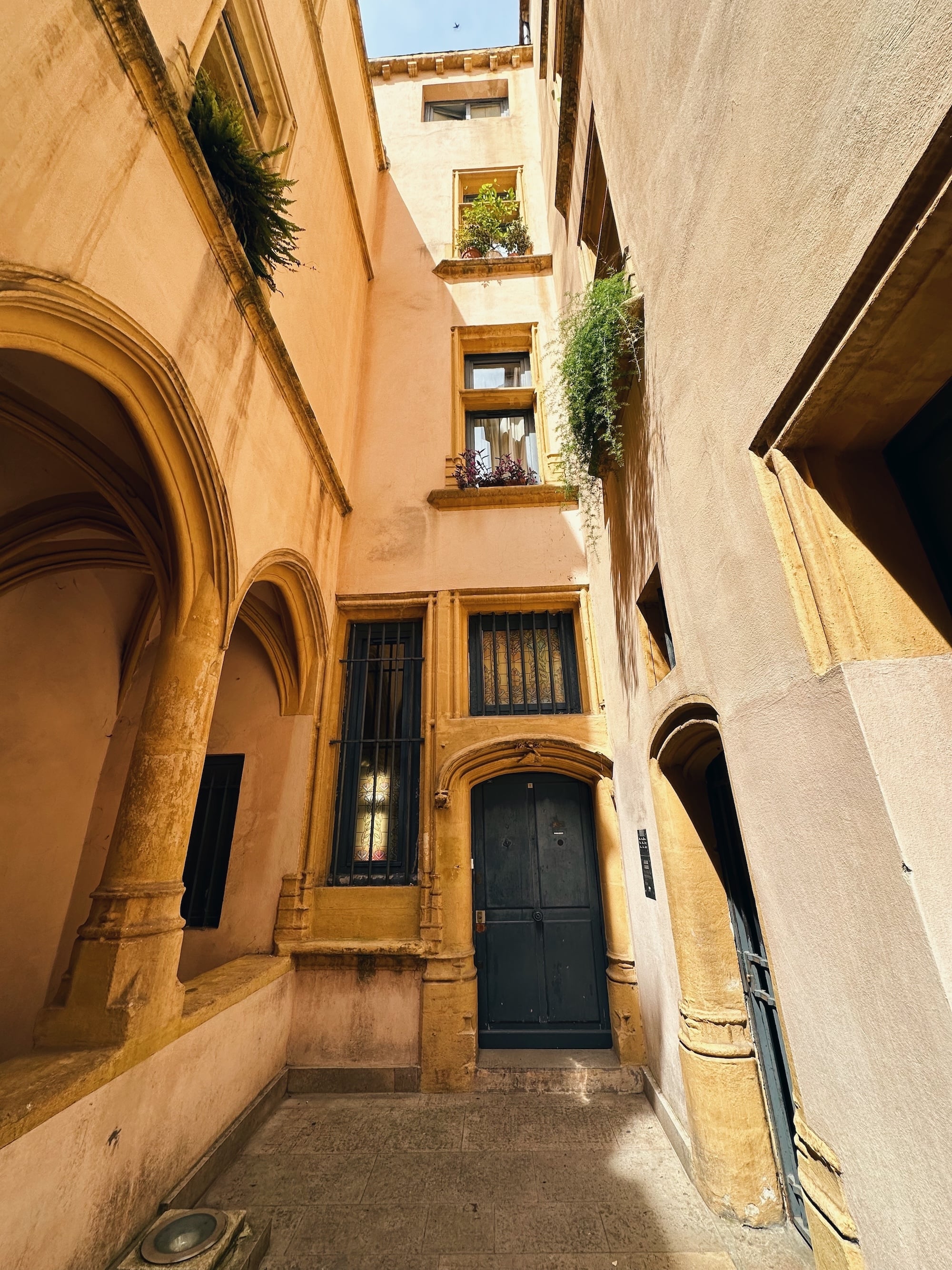
© megmarietravel
A rather recent Lyonnaise invention
The most amusing thing about this story is that « miraboule » is not a historical term dating back to the Renaissance or the era of the canuts. It's a relatively recent term, created to bring some order to Lyonnaise vocabulary. And naturally, with a name like that, it's hard not to imagine a traboule that failed its entry exam. Yet the distinction is interesting: the courtyards and passageways of Lyon far from all have the same function, nor the same configuration.
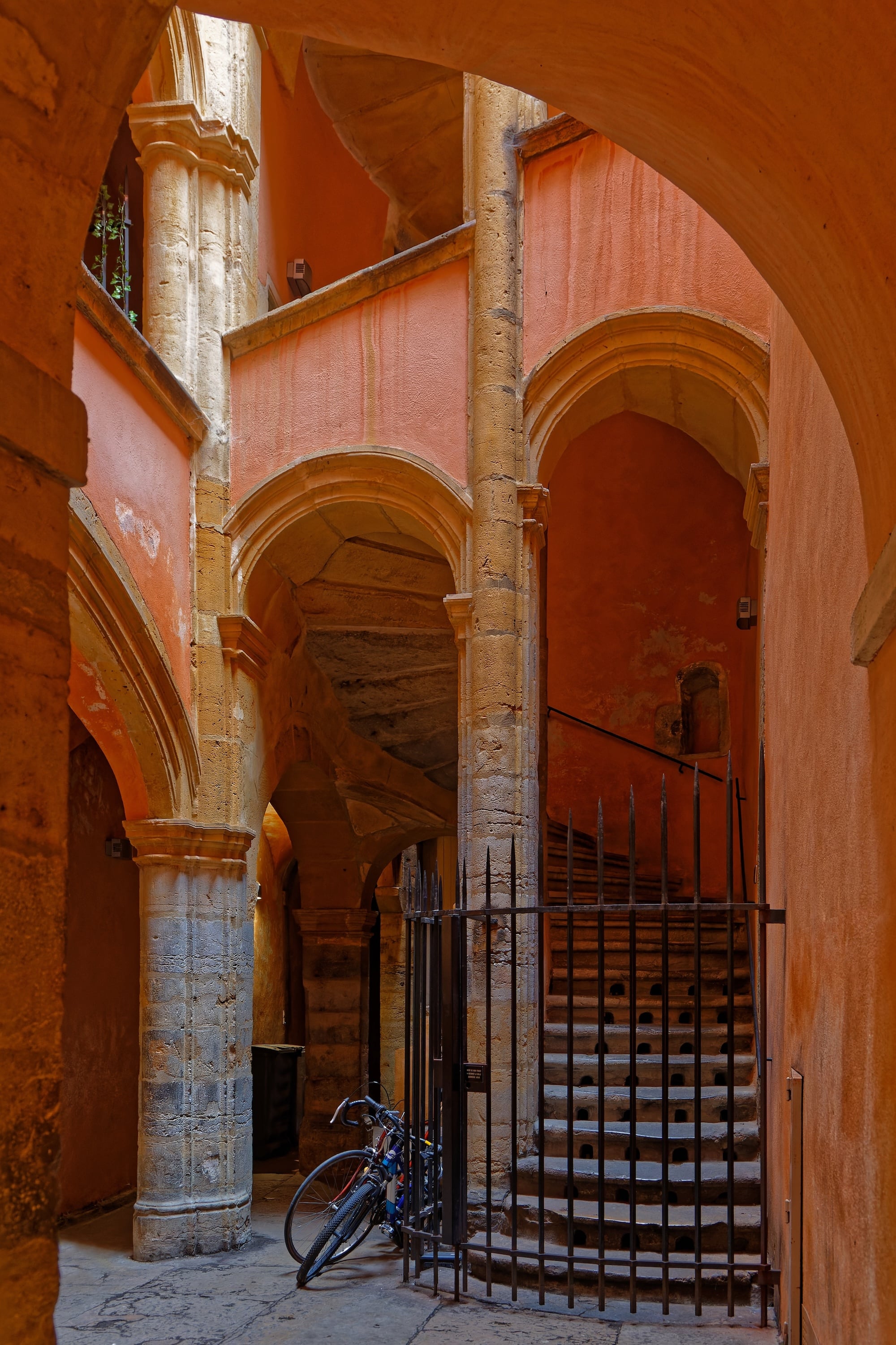
© Pierre Jean Durieu / Shutterstock.com
So, how do you recognize a miraboule?
The rule is actually quite simple: a traboule allows you to cross from one street to another, while a miraboule stops along the way. It can nonetheless be spectacular, hidden behind a carriage entrance and provide access to an interior courtyard, a staircase, or several buildings.
So the next time you go traboule hunting in Old Town Lyon or on the slopes of Croix-Rousse, keep your eyes peeled. You might stumble upon a miraboule without even realizing it. And most importantly, you'll now have the perfect anecdote to pull out when someone tells you: « Oh yes, traboules, I know all about them! »