

In Lyon, snails don't only end up on plates! In the 16th century, some were even accused of devastating vineyards. In 1545, a winemaker from the Lyon region reportedly filed a complaint against these voracious gastropods, leading to a rather unusual legal case. A story that fits into a very real tradition of the time: that of trials brought against animals.
When animals faced the judges
Today, the idea brings a smile. Yet during the Renaissance, courts could be seized against animals accused of causing damage. In a society where harvests determined families' survival, invasions of pests represented a serious threat. Faced with insects, rodents, or snails that destroyed crops, justice became a recourse to try to restore order.
These procedures were based on a deeply rooted vision of the world
religious grounds: each creature had its place in divine creation. Ecclesiastical courts could thus be called upon to order harmful animals to leave cultivated lands.A lawyer to defend snails?
The most astonishing thing about these cases is that animals could benefit from a defender tasked with pleading their cause. The legal scholar Barthélemy de Chasseneuz notably distinguished himself in proceedings against harmful animals. Some arguments invoked natural law: since God had created these beasts, they too needed to feed themselves.
Voir cette publication sur Instagram
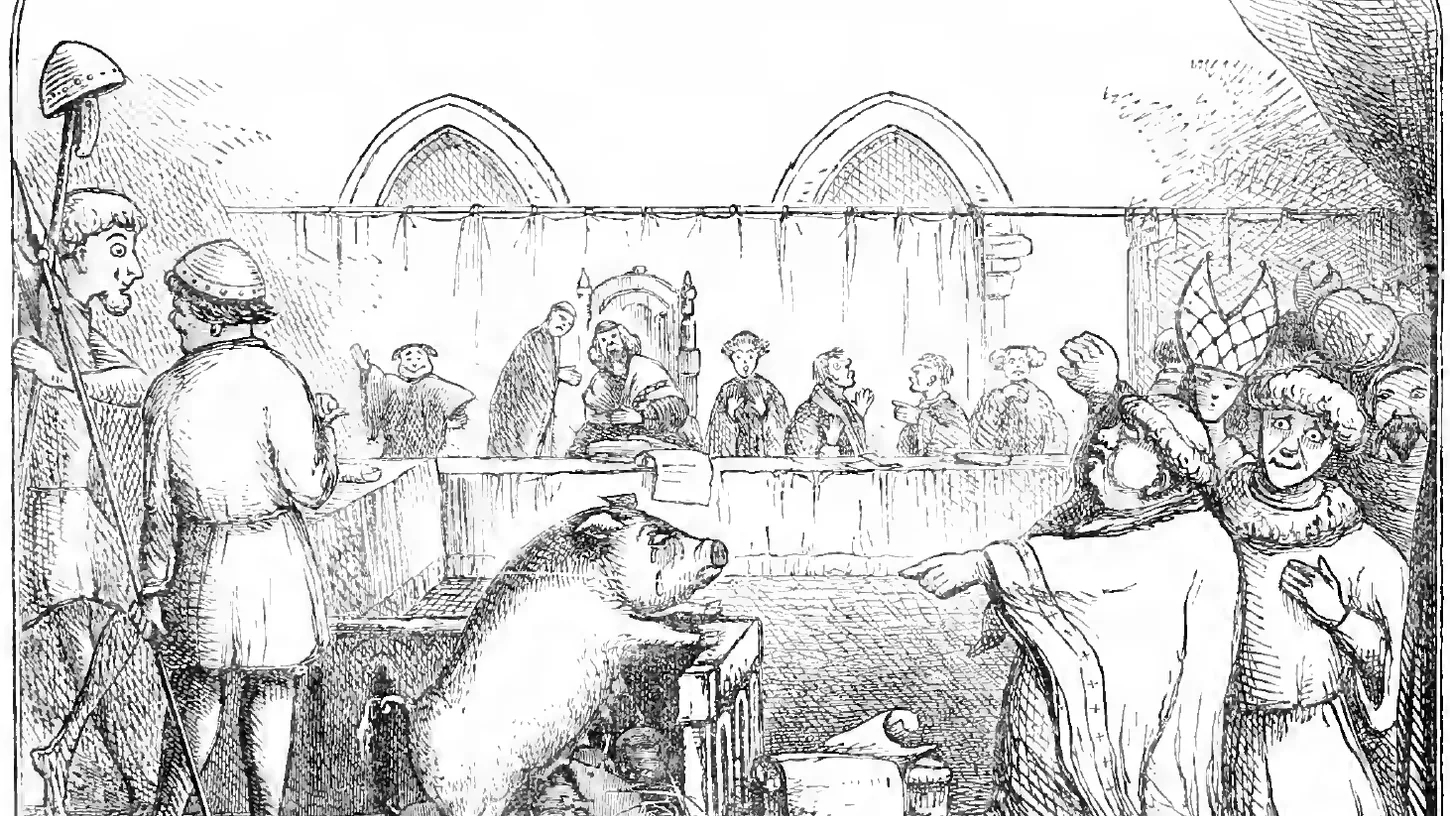
For snails accused of attacking vineyards, the punishment obviously couldn't take the form of a prison sentence. Sentences could instead order their departure, sometimes under threat of excommunication, with the idea of assigning them a plot of land where they wouldn't harm crops. Among the most unusual (and dramatic) stories is that of a sow tried and condemned to death by hanging for mortally wounding an infant in 1386 in Falaise, Normandy.
A justice system that seems surreal to us today
These trials gradually disappeared as mentalities evolved and a more scientific approach to nature developed. They mainly testify to how medieval and Renaissance societies tried to respond to agricultural disasters.
A small caveat, however: the precise account of the Lyon trial of 1545 deserves to be confirmed by a solid historical source. The tradition of animal trials is documented, but it's best to distinguish this general practice from the specific details of this case.