

Lyon is further confirming its status as a major health metropolis. Three years after its official recognition by the State, the Hospital-University Institute (IHU) of Hepatology will finally have its own building within the Croix-Rousse hospital. The first construction work will start on June 25, 2026, with the development of the roadways, while the actual building will begin construction next November, with a completion date set for spring 2028.
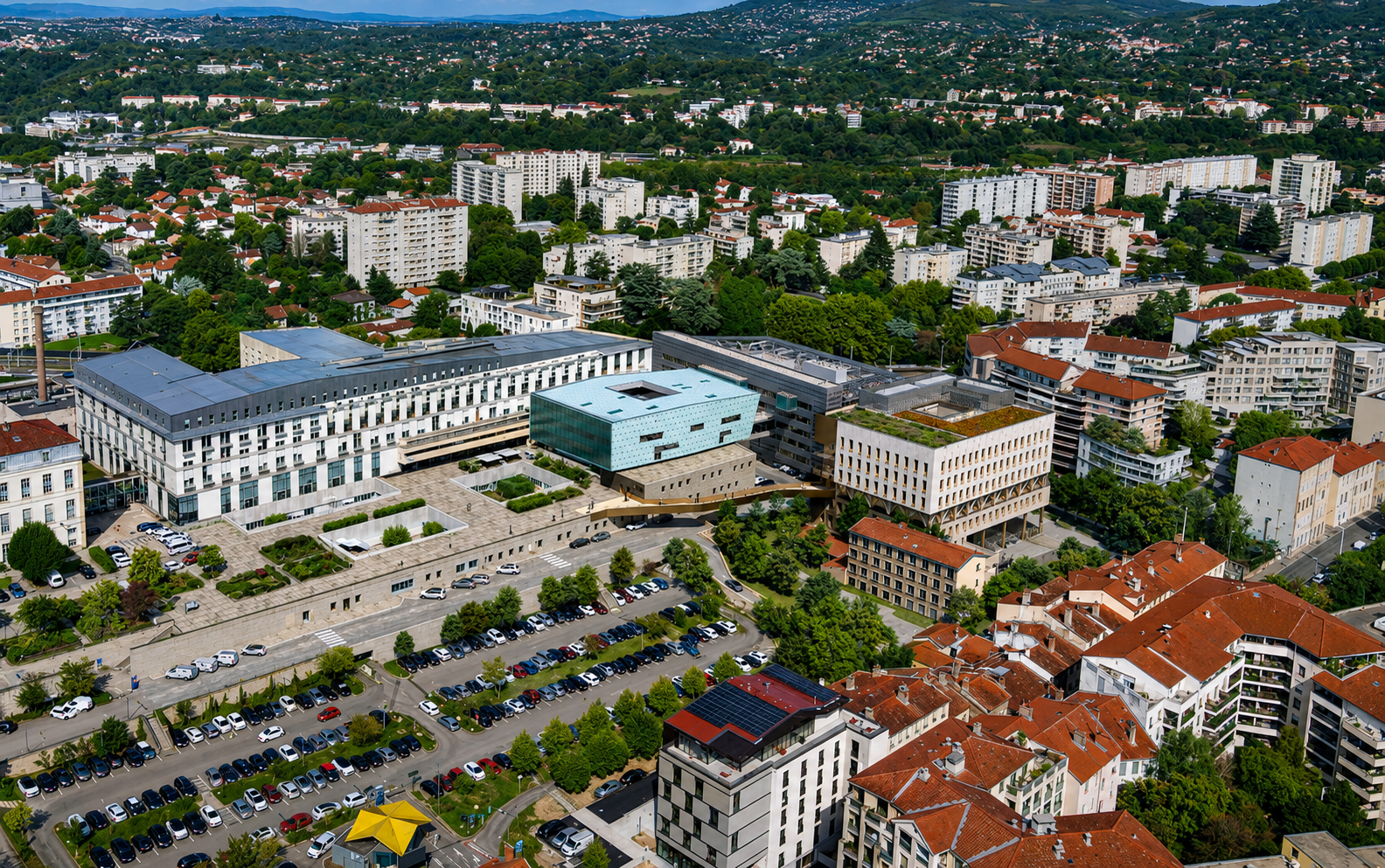
Named « building E », this new six-story complex will cover a total area of 6,617 m². Connected to building O, which already houses the Institute of Infectious Agents, it will form a true center of excellence dedicated to liver diseases, a health area that affects millions of people around the world.
.
Researchers, doctors, and patients all in one place
The goal is simple: to accelerate medical discoveries and improve patient care. Established in 2022, the IHU in Hepatology now brings together between 350 and 400 professionals from research, healthcare, and medical innovation. Until now scattered across various locations, these teams can now collaborate in a single space.
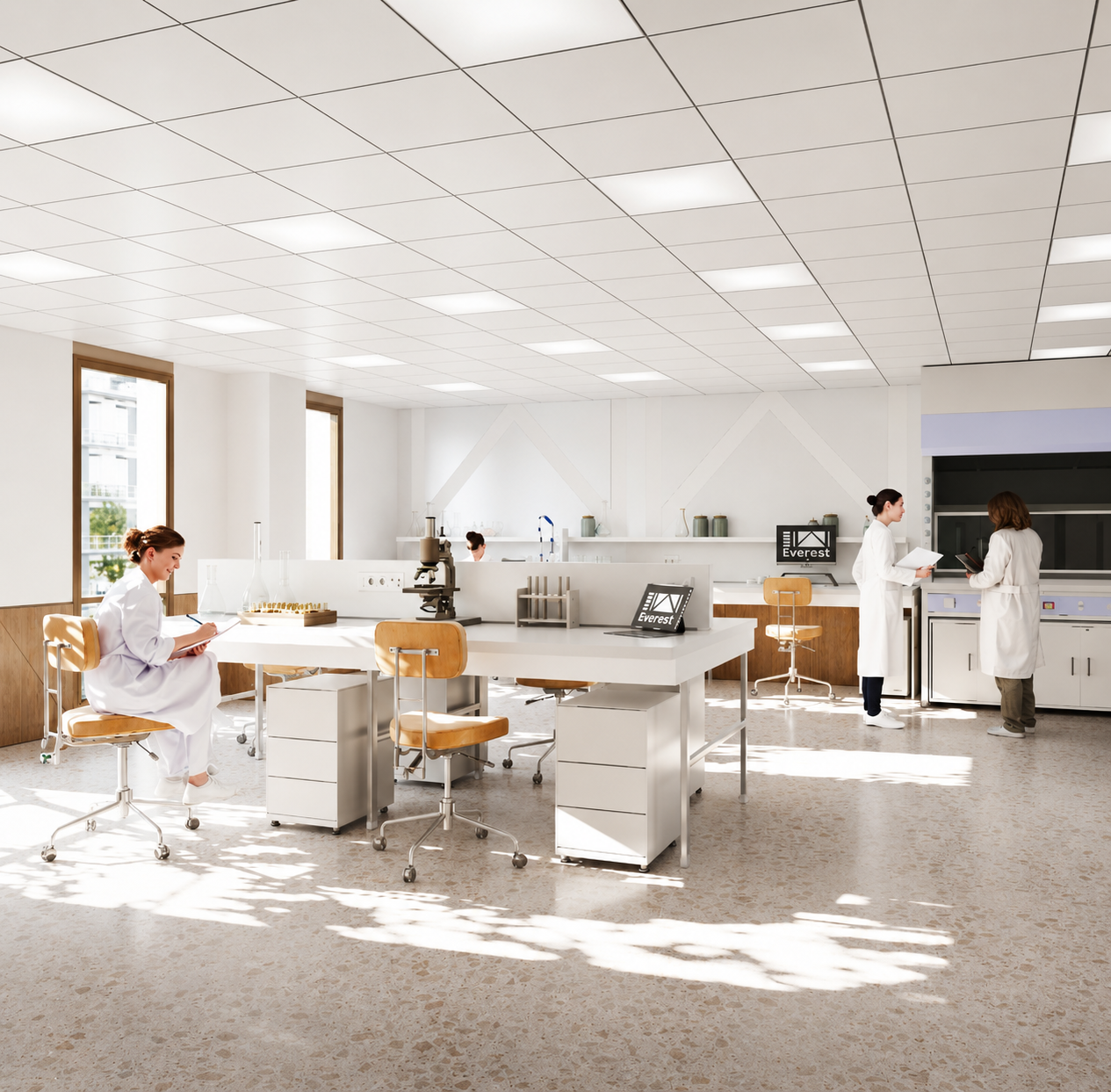
The new building will host research laboratories, clinical teams, and the genomic sequencing platform of the Hospices Civils de Lyon. There’s even a land reserve of 650 m² set aside to support future scientific projects. For Professor Fabien Zoul,I'm the director of the IHU, and this close collaboration between researchers and healthcare providers is key to speeding up clinical trials and encouraging the emergence of new therapeutic solutions for liver diseases.
A 32 million euro investment for the future
Beyond its scientific ambition, the project aims to set an exemplary standard for environmental concerns. The total cost is estimated at 32 million euros, funded notably by the Auvergne-Rhône-Alpes Region, Claude Bernard University Lyon 1, the City of Lyon, and the State as part of the France 2030 plan.
Designed by the firm Unanime Architectes, the building will feature wooden facades, bio-sourced materials, a green roof, and several devices aimed at reducing energy consumption. This sustainable approach aligns with the aspirations of the Hospices Civils de Lyon to build the medical infrastructures of tomorrow. A significant advancement that could place the city at the forefront globally.
in the fight against liver diseases.
Source: HCL