

Lyon, a pioneer of automated metro
When Line D was launched in the late 1980s, Lyon made history. The capital of Gaul became the first city in the world to operate a fully automated heavy metro line right from its opening. At a time when having a driver seemed essential, this revolutionary technology relies on a system that constantly knows the position of the trains. Thanks to equipment installed along the tracks, the trains run with great precision while ensuring optimal safety.
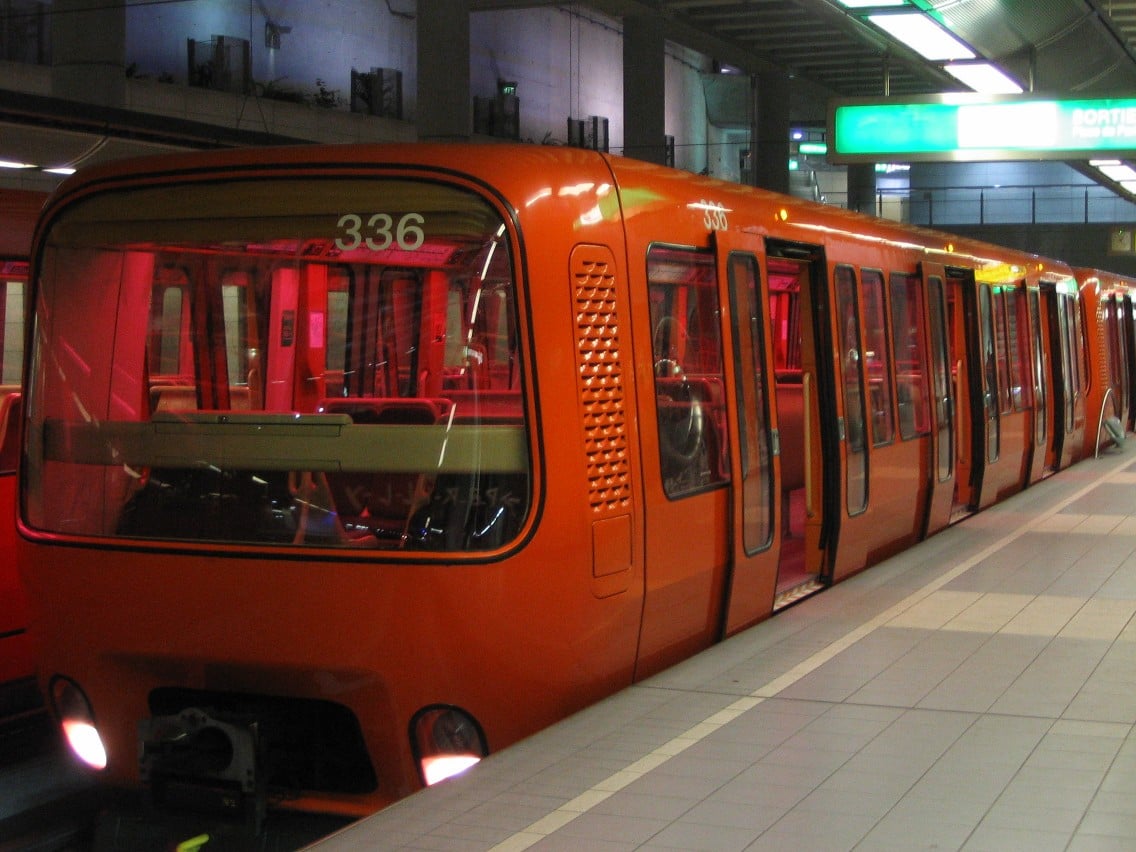
This innovation, which might have seemed futuristic at its inception, has since inspired many networks around the world. However, the absence of a conductor didn't immediately win everyone over. In the early days of its operation, some passengers were unsettled by the idea of boarding a train that moved on its own. A few travelers even preferred to get off before it departed. Over time, this technology became completely natural and is now a part of the daily life of the people of Lyon.
The "Funiculars" and Rack Railway Metro
The history of the Lyon metro goes way back before its creation. The famous funiculars, affectionately called the "ficelles," already served the city's hills by using underground sections. One of these lines experienced a second life...exceptional: the old funicular that connected Croix-Paquet to Croix-Rousse has been transformed into a metro line. It now serves as Line C, linking Lyon's historical heritage with modern technologies.
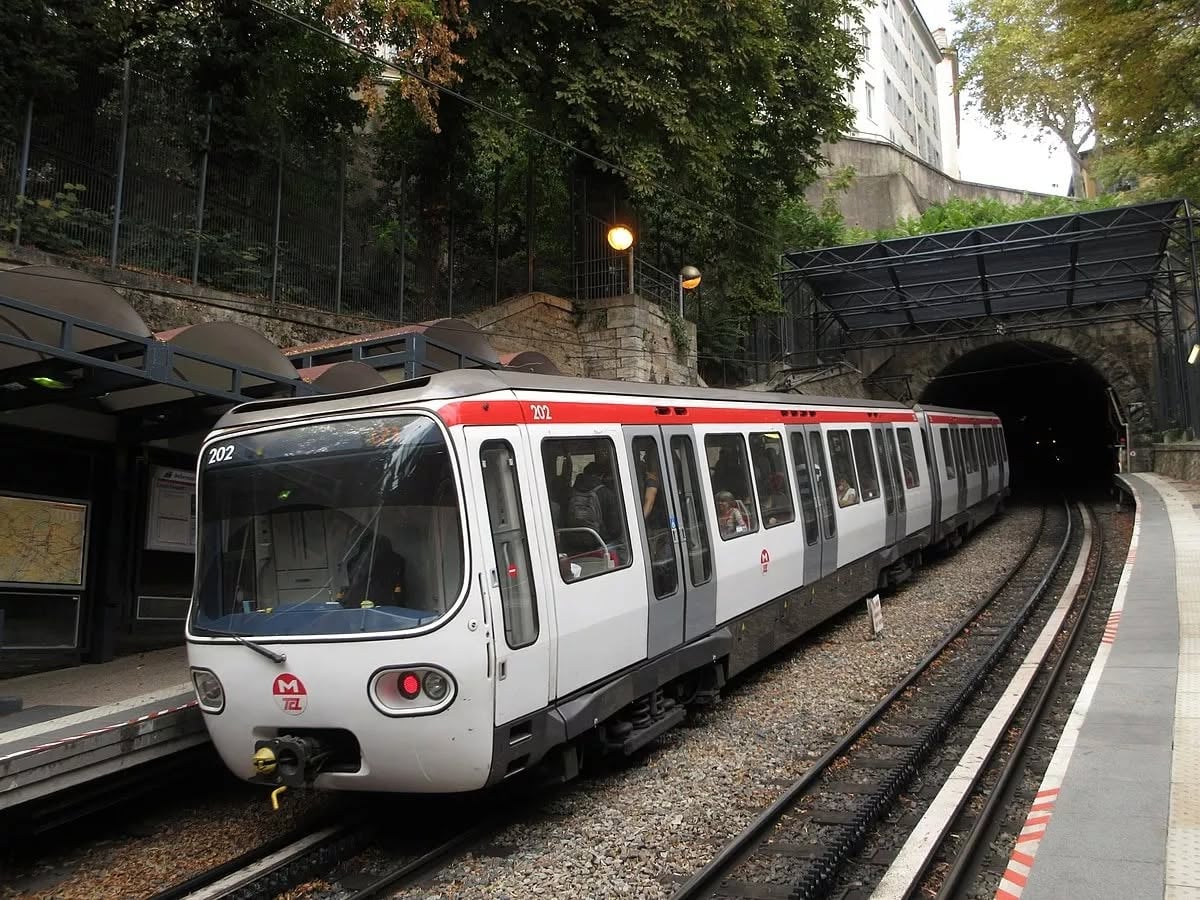
This very line C actually has a rare feature. To conquer the steep slopes of Croix-Rousse, the trains use a rack and pinion system, which consists of a toothed rail that ensures traction on the steepest climbs. This technology makes the line connecting Hôtel de Ville-Louis Pradel station to Cuire station the steepest in the world with a gradient of 17.6%.This method is common on some mountain railways but is incredibly rare in urban metros. Lyon is still the only metropolitan network in the world to regularly use this technology.
Remarkable engineering works
The Lyon metro also hides some lesser-known infrastructures from the general public. Some tunnels bear witness to...There are still different phases of the construction of the network and its evolution over the decades.Among the most impressive achievements is the crossing of the Rhône. Instead of building an independent tunnel, the engineers chose to integrate part of the line directly into the structure of a bridge, a solution that is both ingenious and elegant.
In just a few decades, the Lyon metro has become an international reference. Its early automation, the transformation of old funiculars, the unique use of a rack railway, and its engineering choices testify to a constant willingness to innovate.
Behind each station lies a piece of Lyon's industrial and technological history. It's often an overlooked heritage, but it makes the Lyon metro so much more than just a transportation network: it's a genuine concentration of ingenuity serving the city and its residents.
Article inspired by this video from France 3 Rhône-Alpes