Departing under the drizzly French skies, arriving to a lovely 28 degrees. In February, the contrast is immediate and honestly perfect. Neither oppressive heat nor stifling humidity: just that delightful feeling of stepping out of a dreary winter and into a golden light.
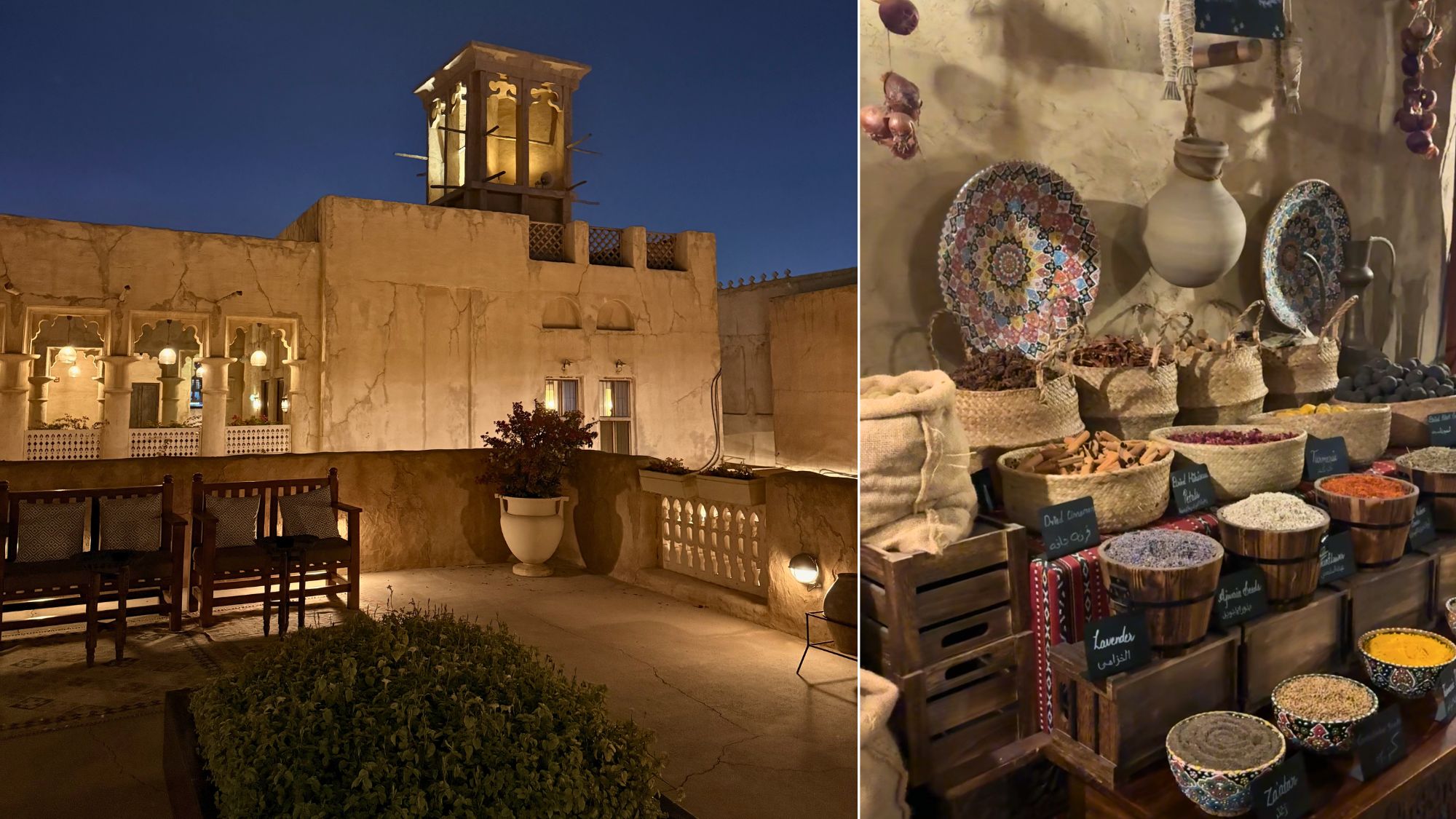
Instead of landing at the foot of skyscrapers, we unpack our bags in the Al Seef district, right by the creek. In this area, there are no dizzying skylines, but sandy alleys, low facades inspired by traditional architecture, lanterns, and calm terraces by the water. The Al Seef Heritage Hotel - Curio Collection by Hilton fits perfectly into this scenery: wood, copper, beige tones, and vintage details like old telephones and typewriters scattered around. It's a long way from the Dubai of glass towers. The atmosphere is joyful...
It feels warm and almost intimate.
A skyline that commands respect
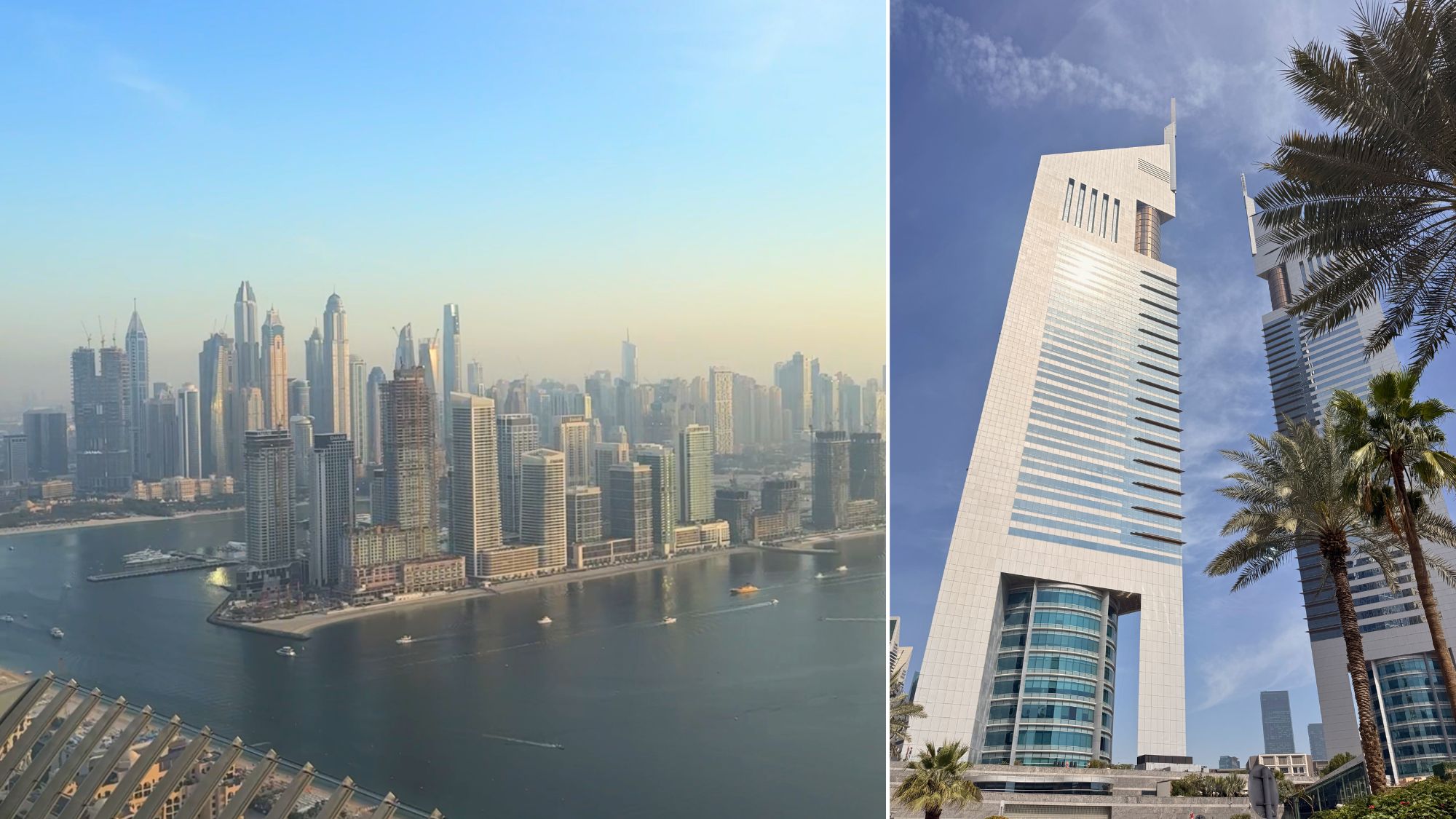
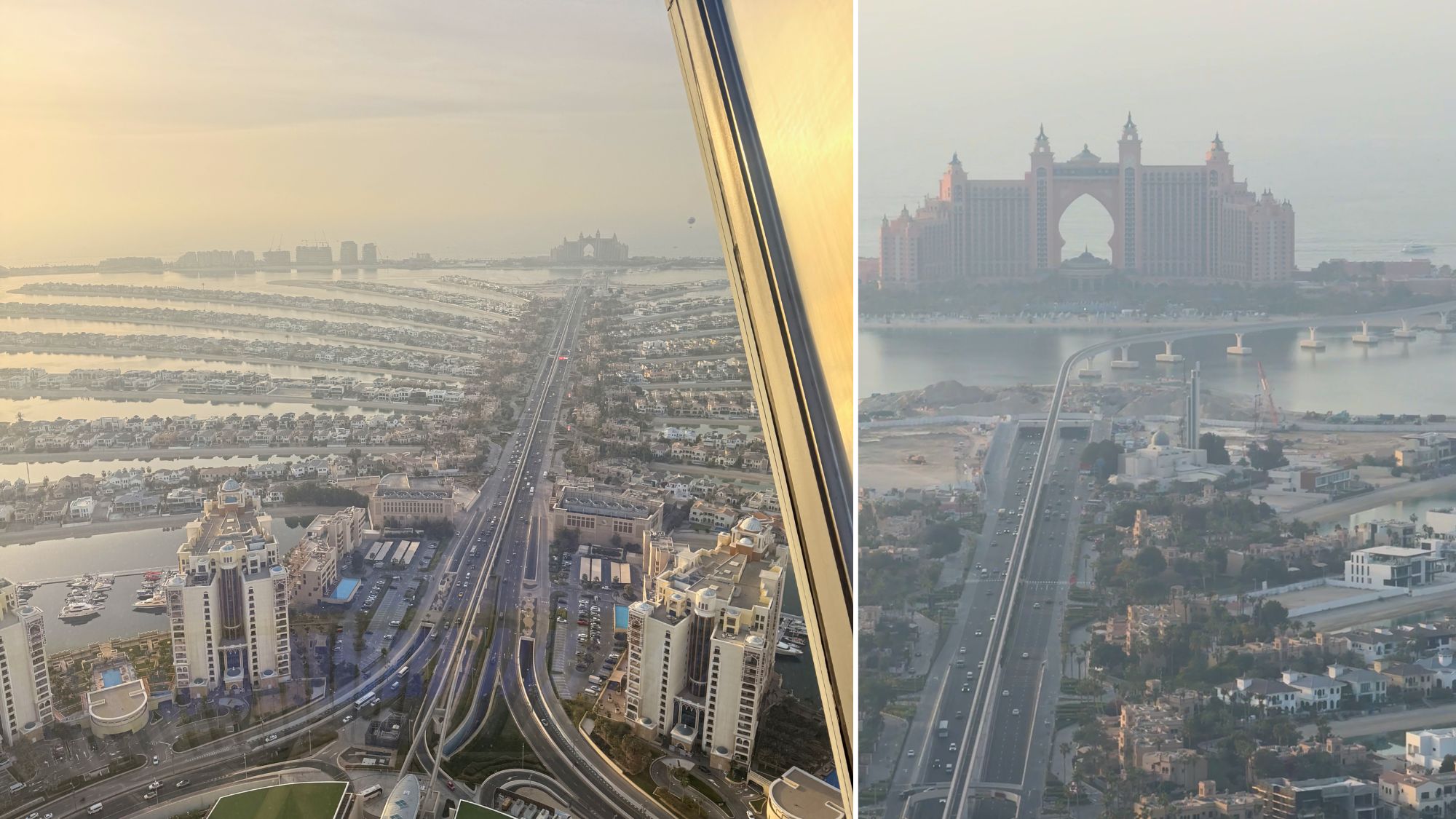
From The View at The Palm, the city stretches as far as the eye can see. The artificial island beautifully frames its palm tree shape, and in the distance, the towers stand tall like a forest of glass and steel. Dubai impresses at first glance with its verticality. Everything seems designed on a grand scale—up, out, and beyond. One could easily reduce the city to this spectacular image. However, as you wander around, this vastness gives way to another understanding. The skyline isn’t just an Instagrammable backdrop; it reflects a bold ambition. Dubai builds quickly, transforms quickly, and moves forward quickly. This constant energy is almost tangible.
A story you might not suspect
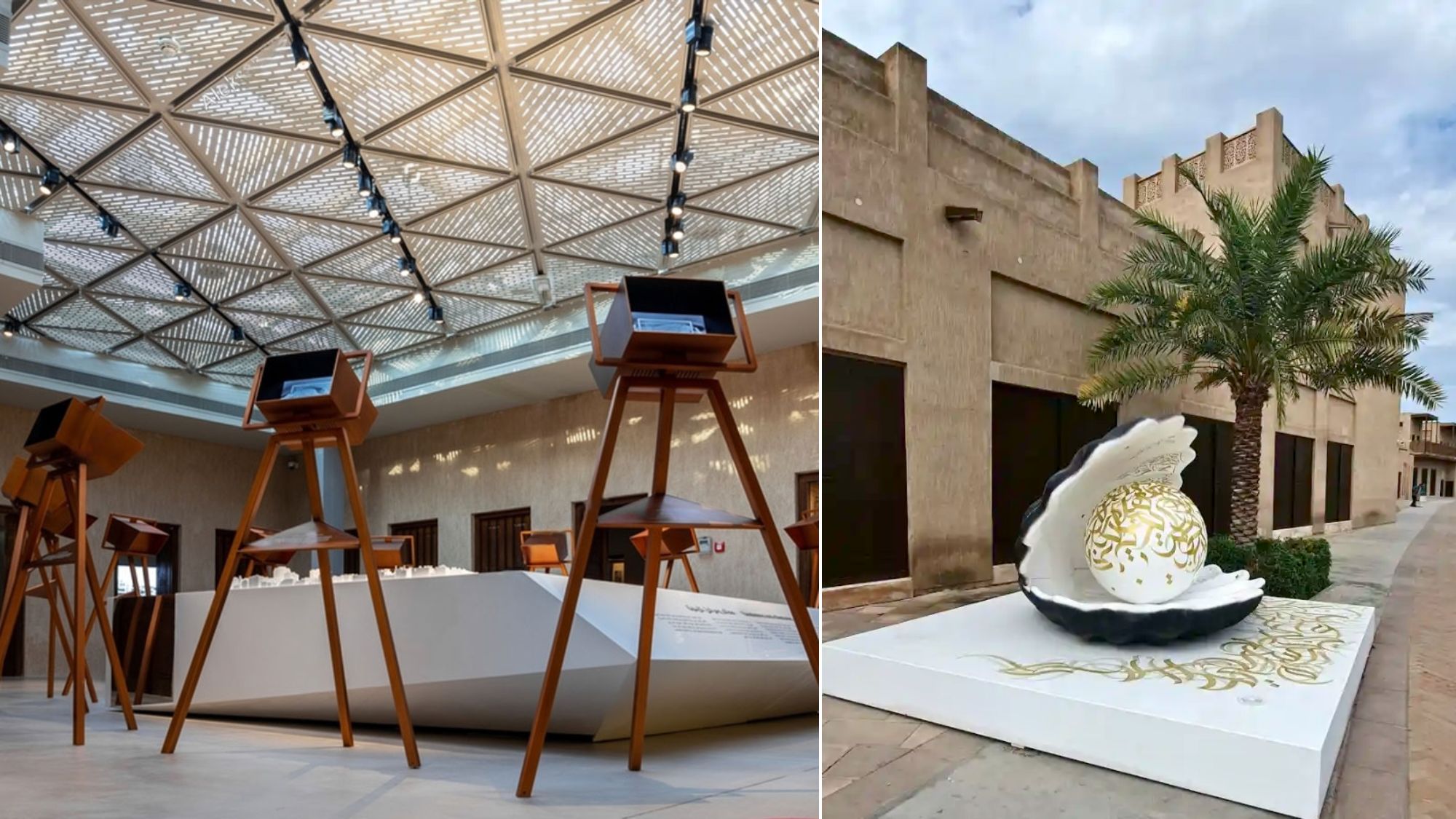
Before coming here, I had the image of a modern city, almost risen from the sand in just a few decades. A visit to the historic district and the Al Shindagha museum completely changes this perception. You discover that the name Dubai has been around since the 1830s, with the arrival of Sheikh Al Maktoum and the rise of pearl fishing. The maritime history, trade exchanges, and influences from Iran and India were already shaping the city long before the era of skyscrapers. The immersive scenography, especially the projection that takes us aboard a period boat, suddenly brings this little-known past to life.
.jpg)
In the souks, you can almost feel the continuity in the air. Indian spices are piled high, saffron colors the stalls, dried black lemon piques your curiosity, and scents of oud and incense waft around you. The gold district showcases impressive adornments, sometimes extravagant, but always connected to an age-old trading tradition. The most memorable moment has to be lunch at the Sheikh Mohammed Centre for Cultural Understanding. Sitting on the floor, sharing saffron rice, lamb, chicken, and vegetables, I listen to tales of local customs. They explain that a cup of cardamom coffee is never filled to the brim, signaling that conversation can continue. The exchanges are direct, open, and without taboo. This suspended time anchors Dubai in a cultural reality that runs deeper than we can imagine.
A city looking towards tomorrow
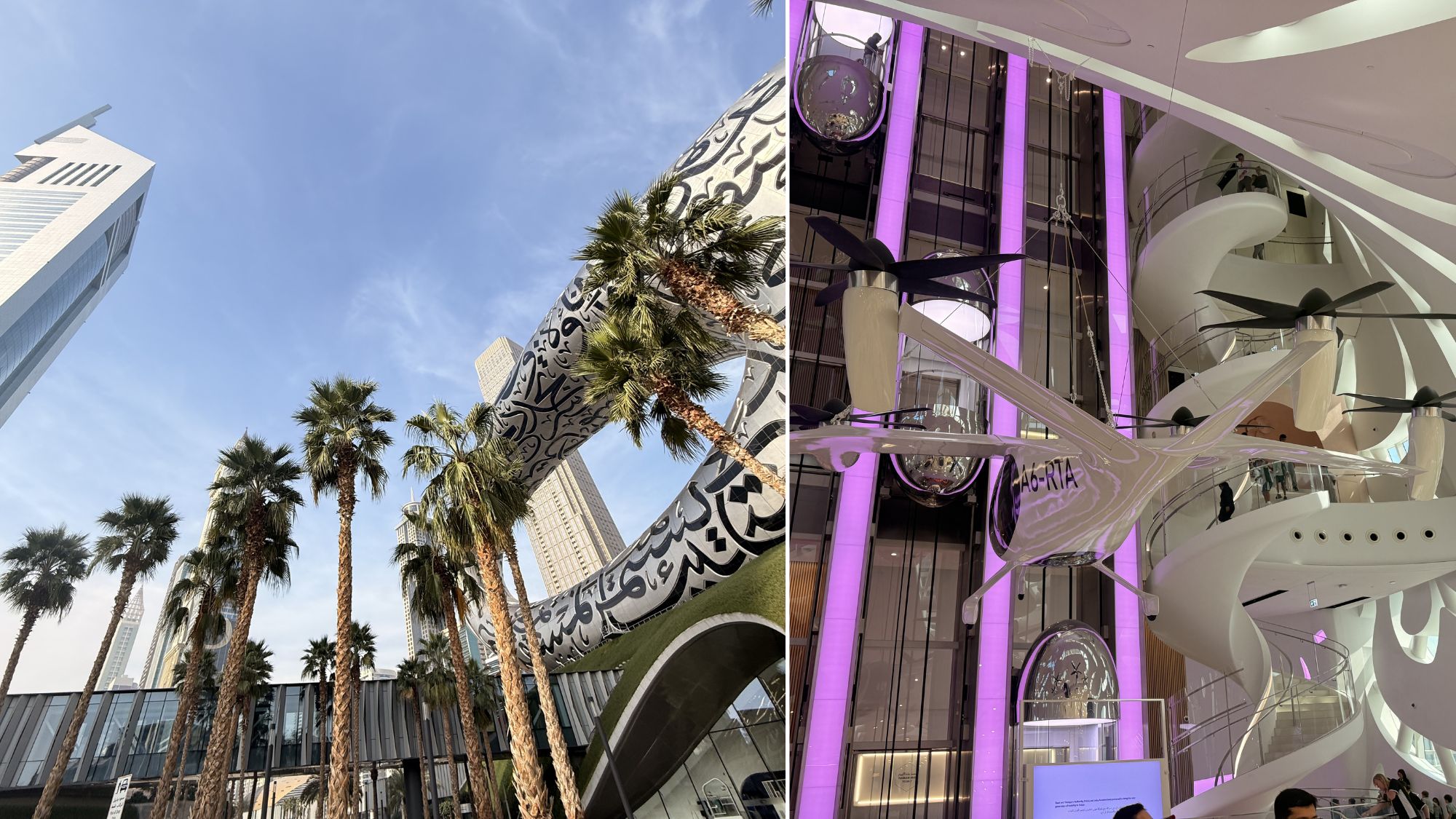
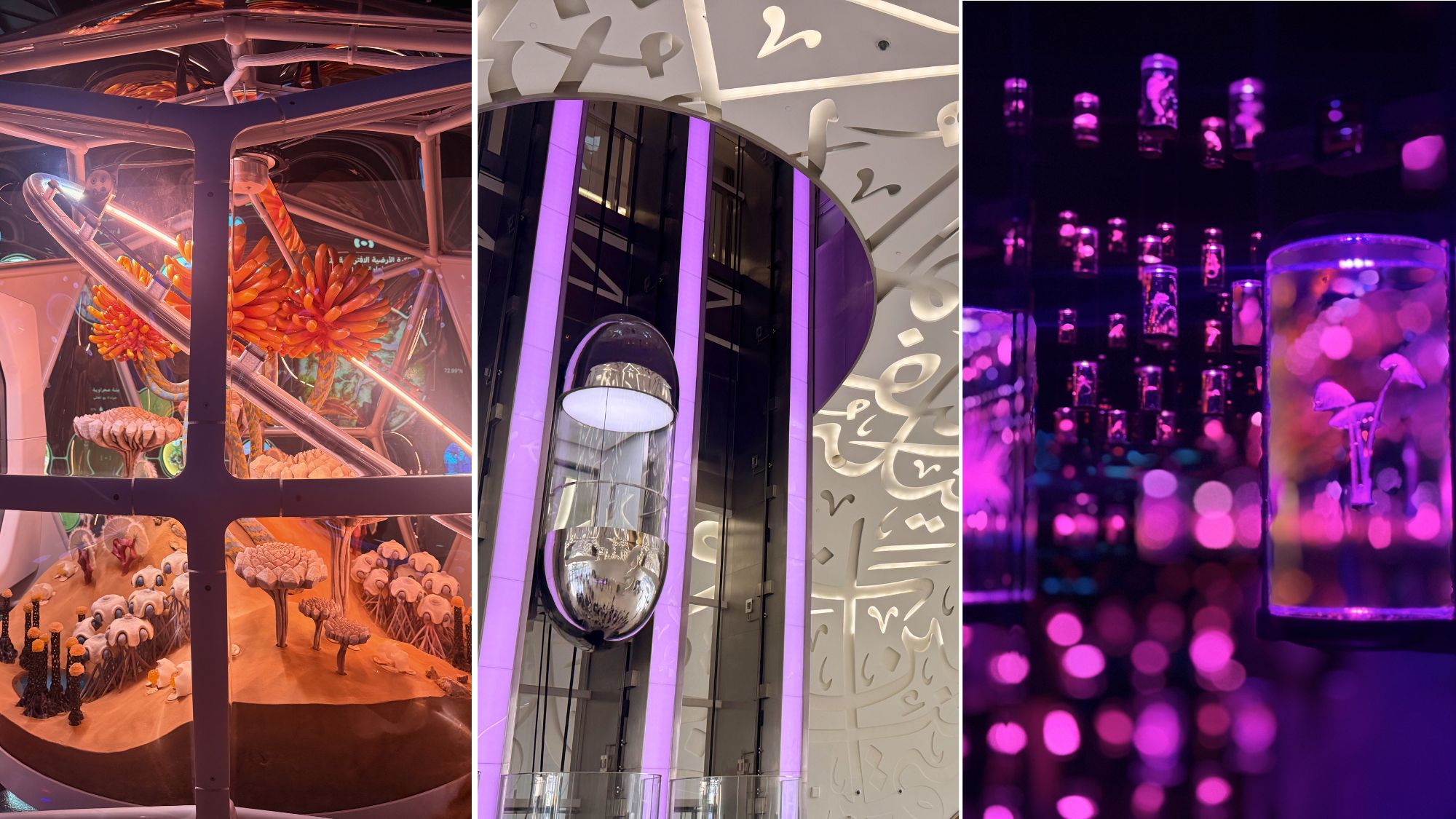
On the other end of the spectrum, Dubai proudly embraces its obsession with the future. The Museum of the Future in...is the most spectacular illustration. The futuristic architecture, spaceship-like elevators, humanoid robots, and immersive projections immerse visitors in a bold technological vision of the world. Sometimes, you might feel like you’re in a futuristic attraction, but the intention is clear: Dubai is not just following the trend; it wants to be part of defining the world of tomorrow. This constant tension between heritage and a forward-looking vision is undoubtedly one of the most fascinating aspects of the city.
A Mosaic of 180 Nationalities
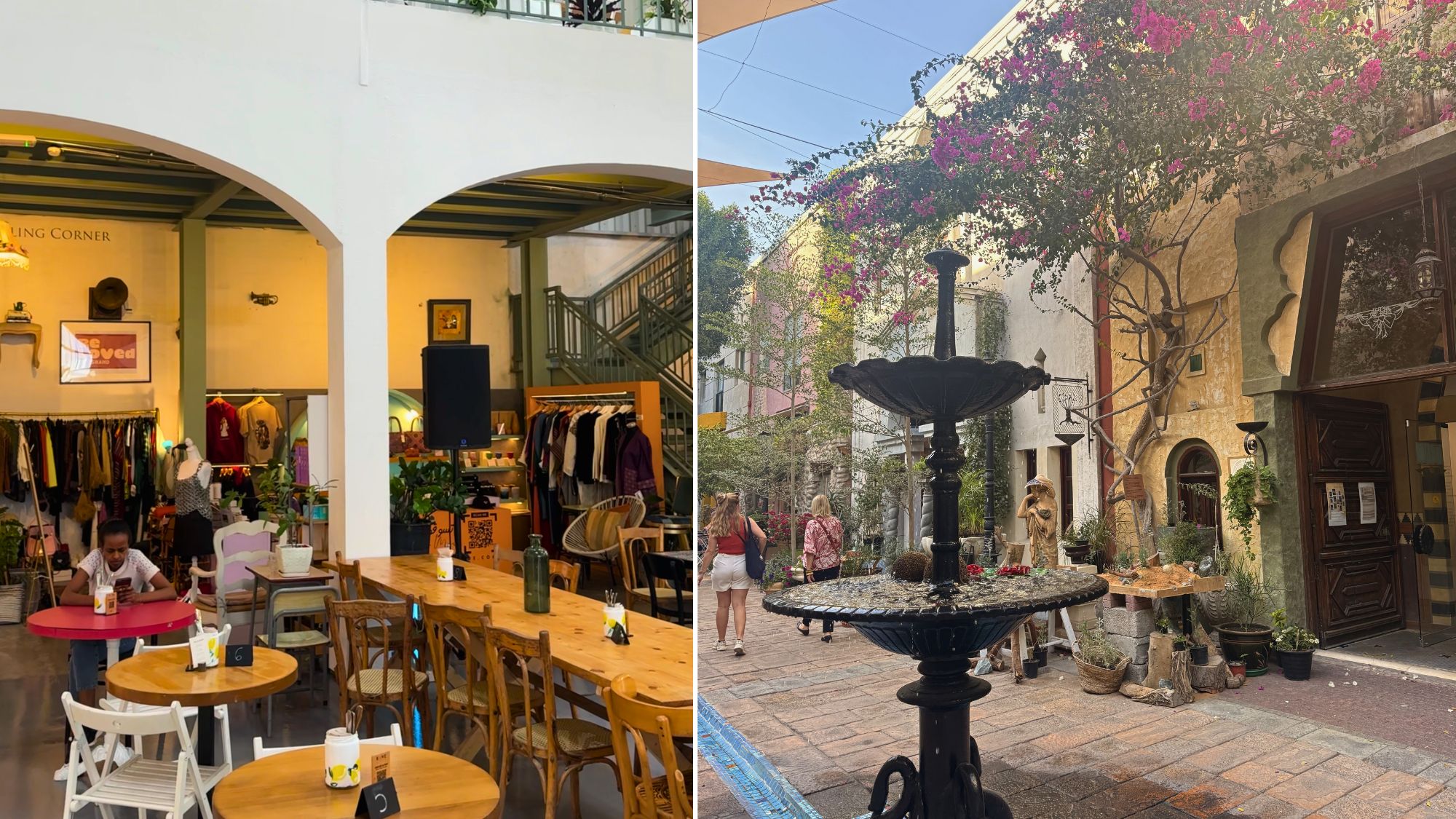
Dubai wouldn’t be what it is without its incredible human diversity. The city is home to over 180 nationalities! There are expatriates who came for a few years and ended up staying much longer, entrepreneurs, and creatives settled in Alserkal Avenue, along with families attracted by safety and economic opportunities. Speaking of Alserkal Avenue, this former industrial area has been transformed and offers a vibe that's quite different from the luxurious image often associated with the city. Art galleries, independent coffee shops, concept stores, and a retro cinema fill the space with a creative energy that feels almost London-like. You'll find digital nomads, artists, and curious souls wandering about. It's a quieter side of Dubai, but one that reveals a vibrant cultural scene in constant motion.
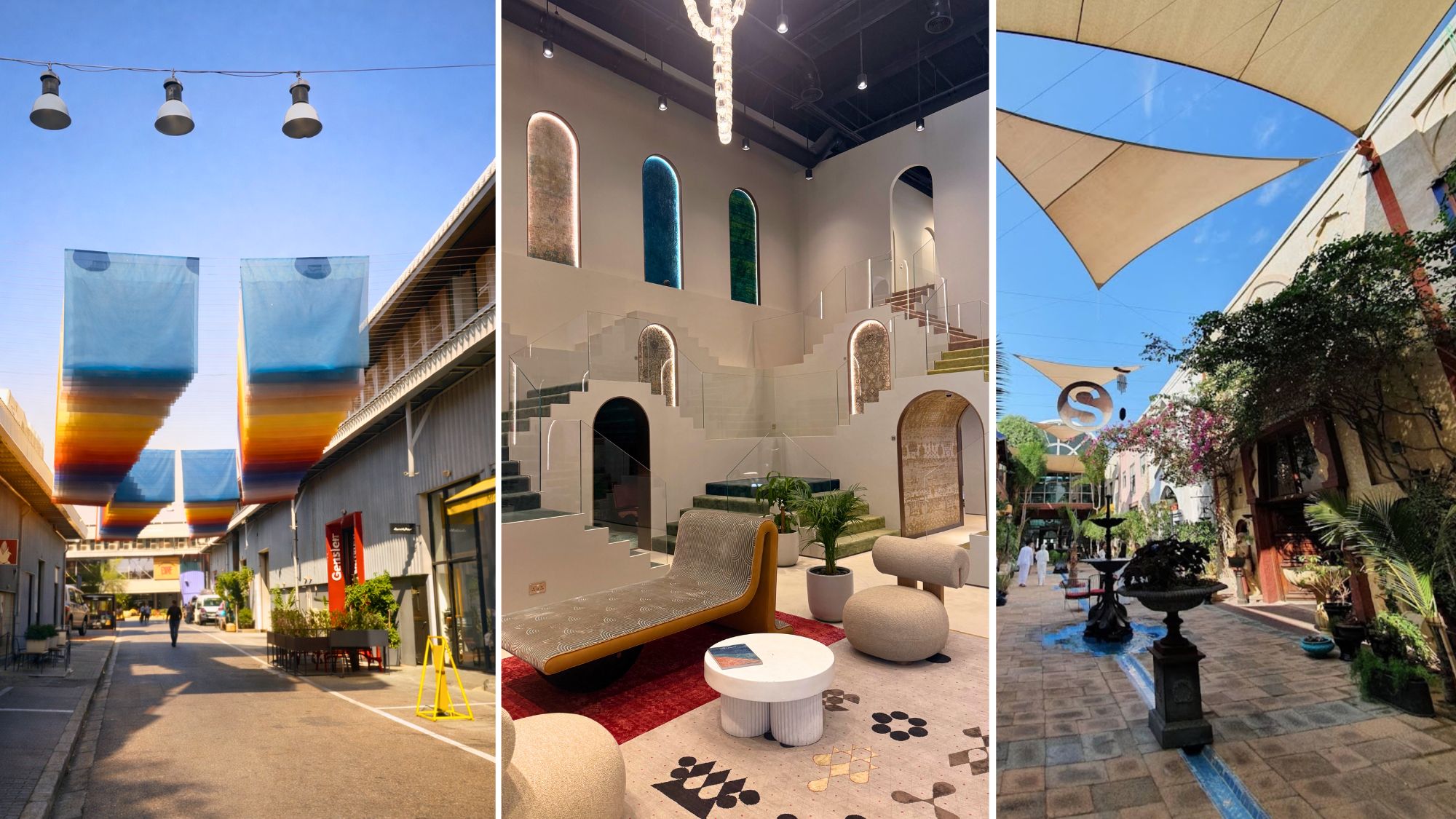
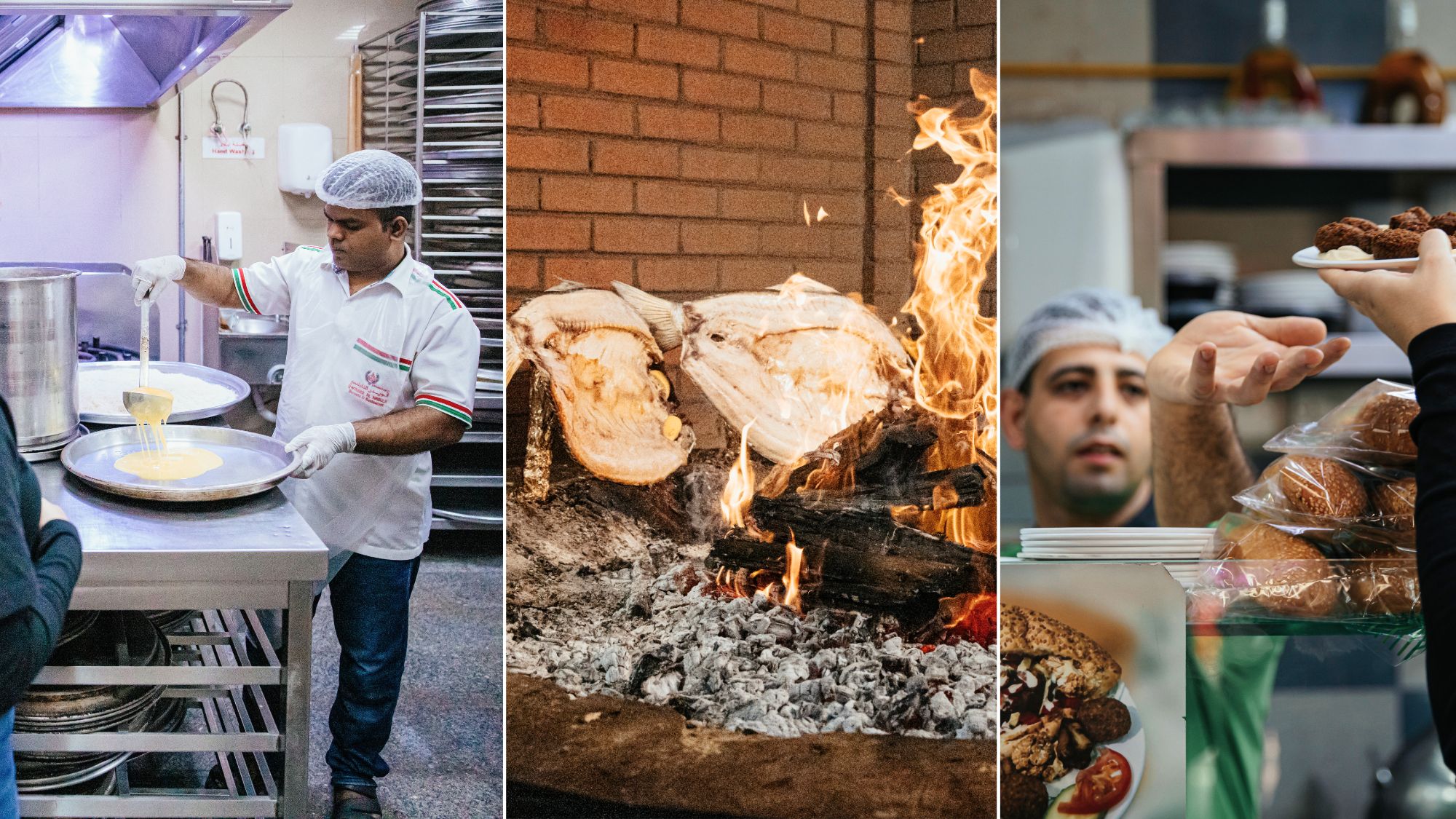
In the evening, on a street food tour with Frying Pan Adventures, this diversity takes on a whole new dimension. In a lively, vibrant neighborhood, falafels, shawarma, grilled Iraqi fish, and baklavas tell the story of many influences. Discovering Iraqi cuisine in Dubai wasn't on my initial wishlist, but it turned out to be one of the most memorable highlights of the trip.
The desert, the absolute contrast
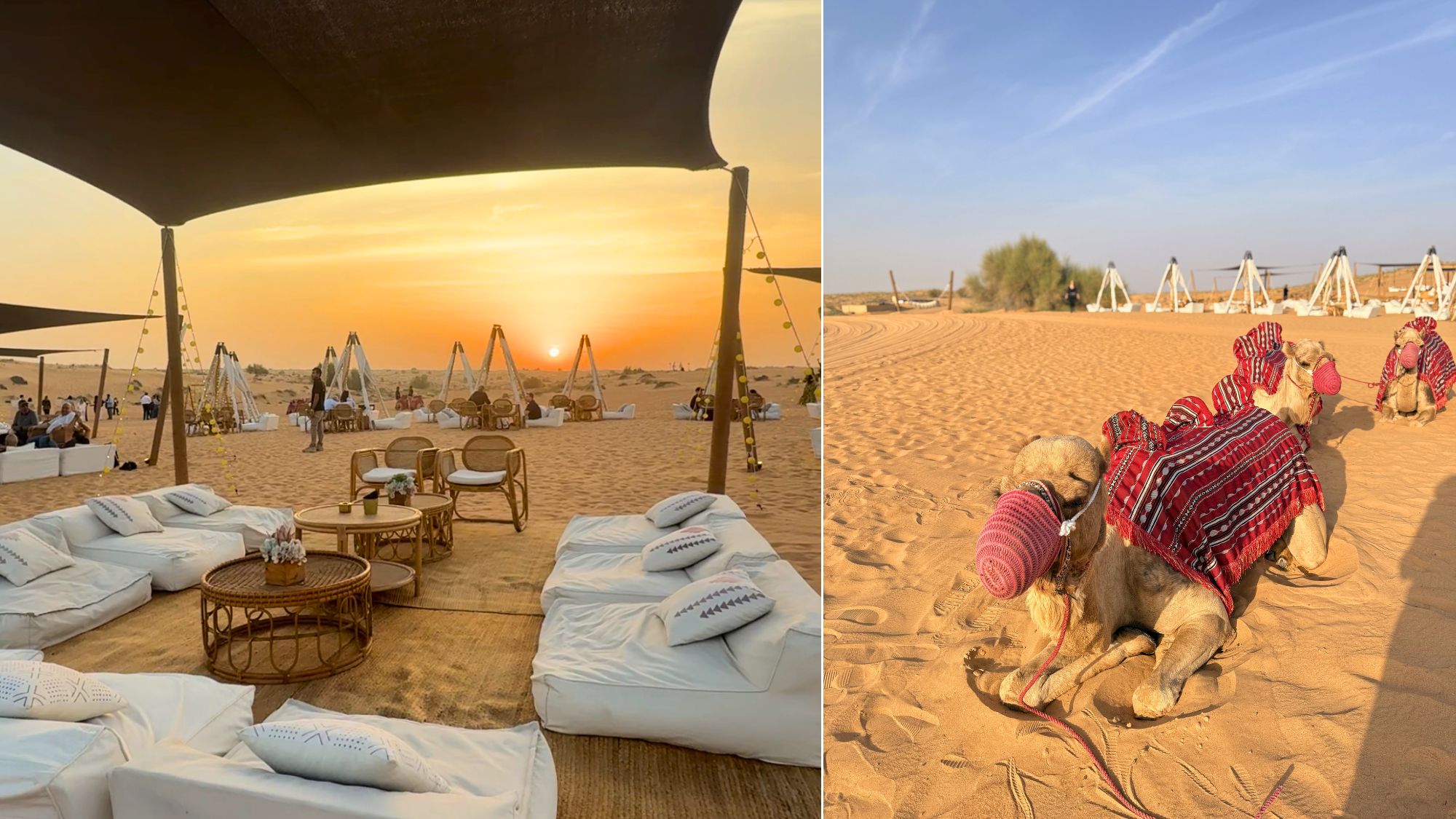
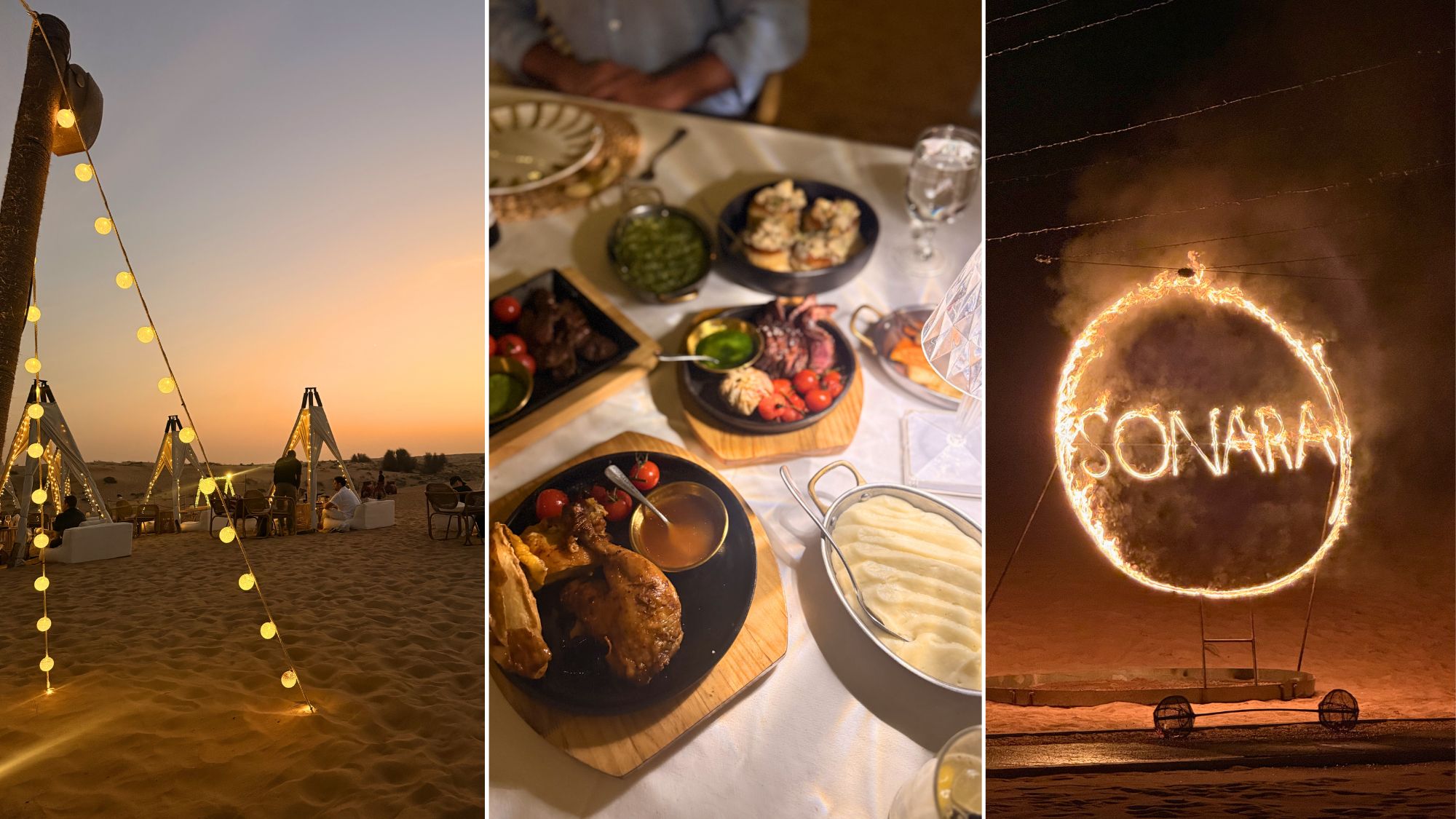
Just an hour away from the skyscrapers, the landscape shifts dramatically. The desert stretches endlessly, silent, almost motionless. At Sonara Camp, large beige tents and string lights create a chic bohemian décor nestled amidst the dunes. The sunset turns the sand into gold, and the outdoor dinner, accompanied by dancers and acrobats, offers a grand spectacle. Dubai loves to impress, and here, the desert becomes the most stunning of showcases. This contrast, between a city that never sleeps and a nature that feels almost timeless, perfectly sums up the experience.
Beach club chic in Palm Jumeirah, fragrant souks, an artsy neighborhood, a skyline reminiscent of the Upper East Side in a desert twist, endless dunes... Dubai is in a constant state of transformation. Yes, there's opulence and bling; it's a reality. Yes, traffic jams are a result of significant population growth. But there's also a true cultural diversity, reassuring safety, and the ability to surprise you. In February, the weather is perfect. A week is enough to realize that Dubai isn't a frozen postcard, but a city in continuous motion. Initially astonished. Conquered upon returning!
From Lille, escaping is easier than you think: in just 1 hour by TGV, you reach Paris-Charles de Gaulle airport, where daily direct flights to Dubai take off (about 6h30 of travel). Depending on the season,Round-trip tickets start at around 400 to 600 euros, which makes this little getaway at 28 degrees much more accessible than one might think.
What to do in Dubai ?
- Get lost in the spice, gold, and perfume souks for a sensory immersion.
.jpg)
- Admire the Palm Jumeirah from The View at The Palm for a picture-perfect postcard moment!
- Explore Alserkal Avenue for its artistic and alternative vibe.
- Experience a sunset and a dinner show in the desert at Sonara Camp for the ultimate contrast.
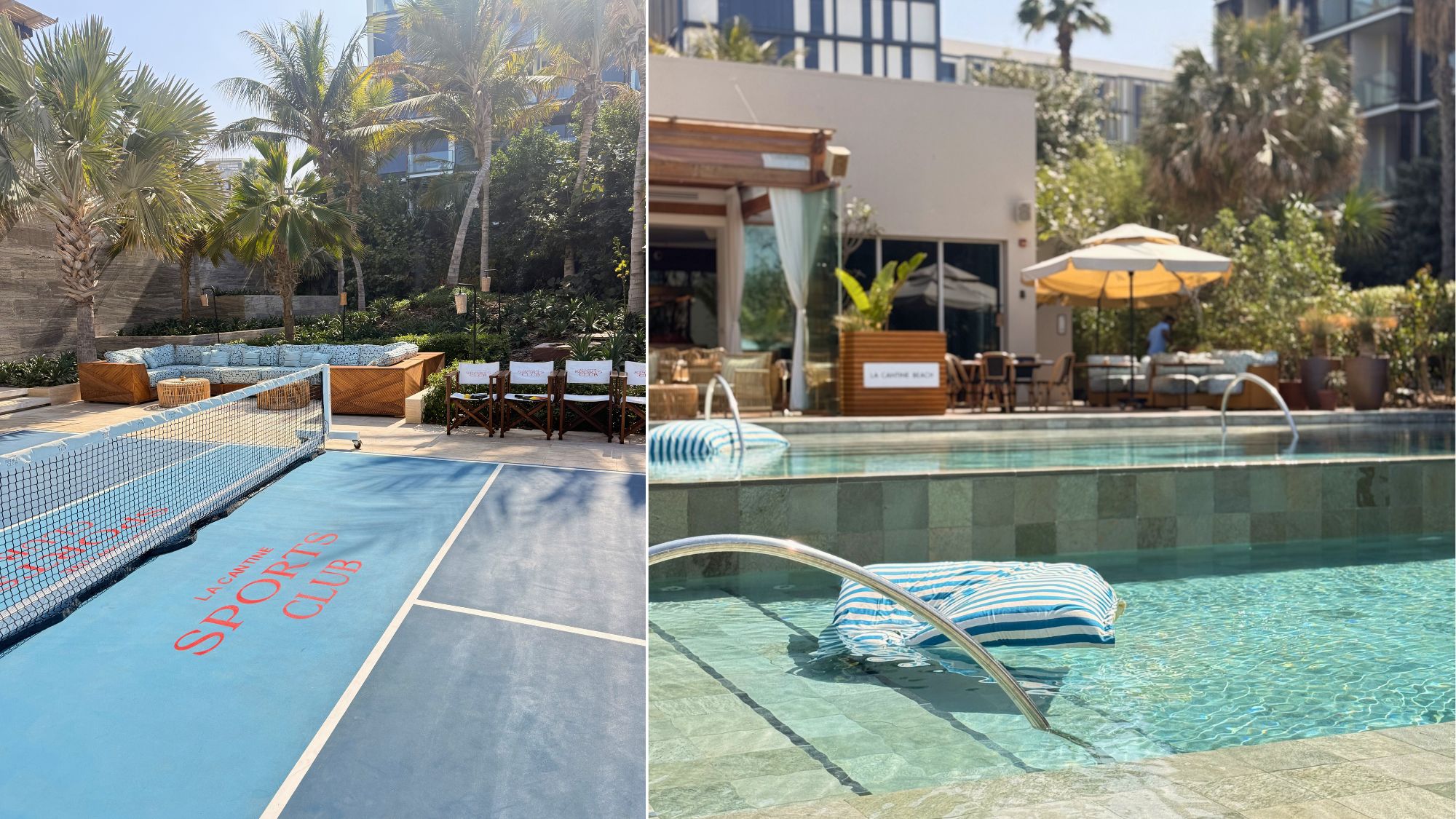
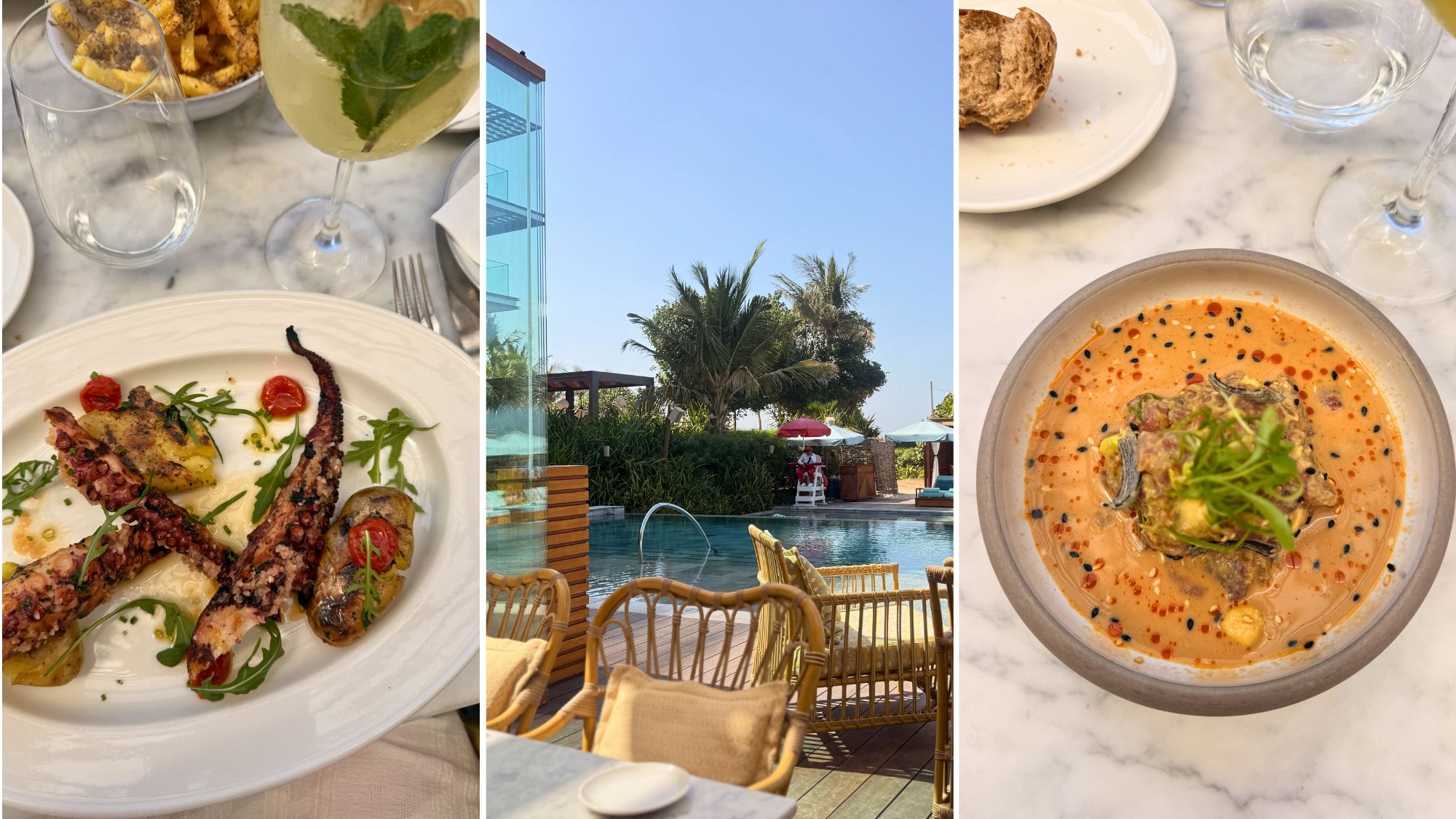
- Relaxing at La Cantine Beach Club for a stylish break by the sea.
Where to eat in Dubai?
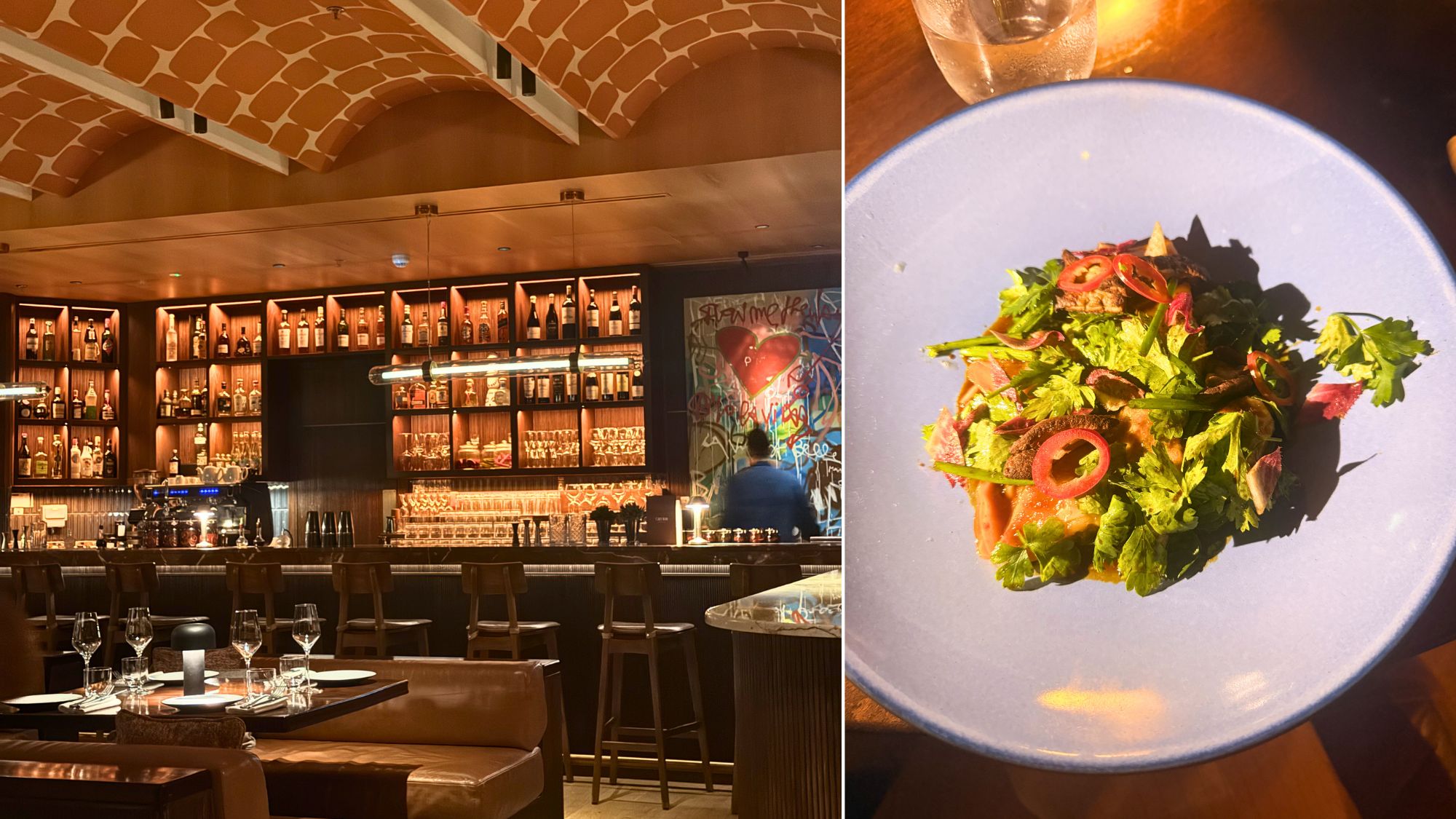
- At Wam for refined fusion cuisine in a cozy setting.
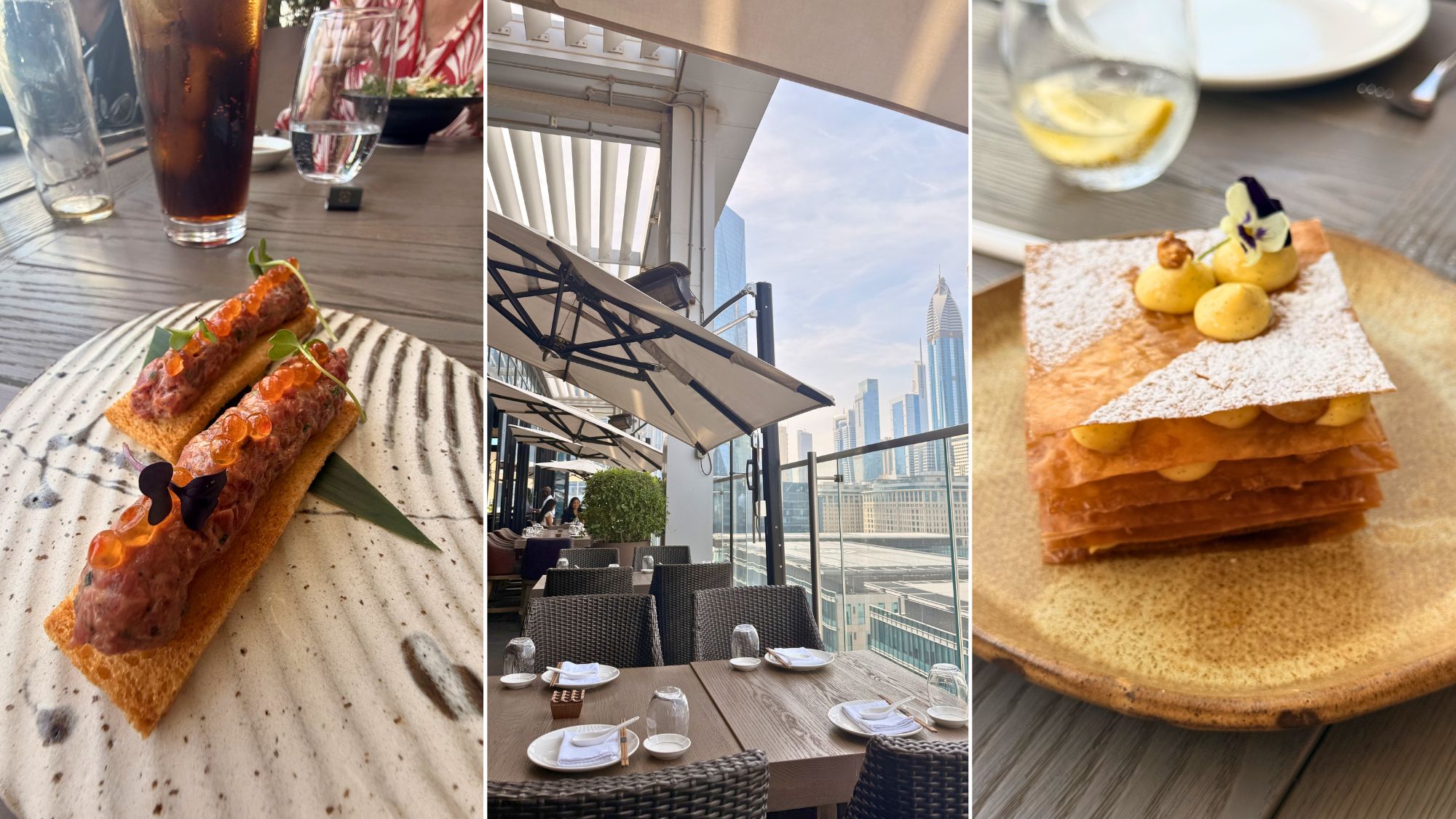
- CLAP for a Japanese-Peruvian experience with a view of the skyline.
.
- Frying Pan Adventures for a colorful and multicultural street food tour.
- SMCCU for a traditional meal shared on the ground.
.jpg)
- The Beach Club Cantine for a stylish break by the sea.
Which museums to visit?
- Museum of the Future for a spectacular futuristic immersion.
- Al Shindagha Museum to learn about the history of pearl fishing.