

In Lille and its surroundings, gastronomy hasn't just developed in the iconic brasseries. It has also been shaped in the countryside, mining areas, ports, modest kitchens, and village estaminets. Recipes born from resourcefulness, cold weather, hard work… and a true sense of flavor. Here’s a delightful flashback to these underrated Northern specialties that clearly deserve a comeback.
The potjevleesch, in its original version
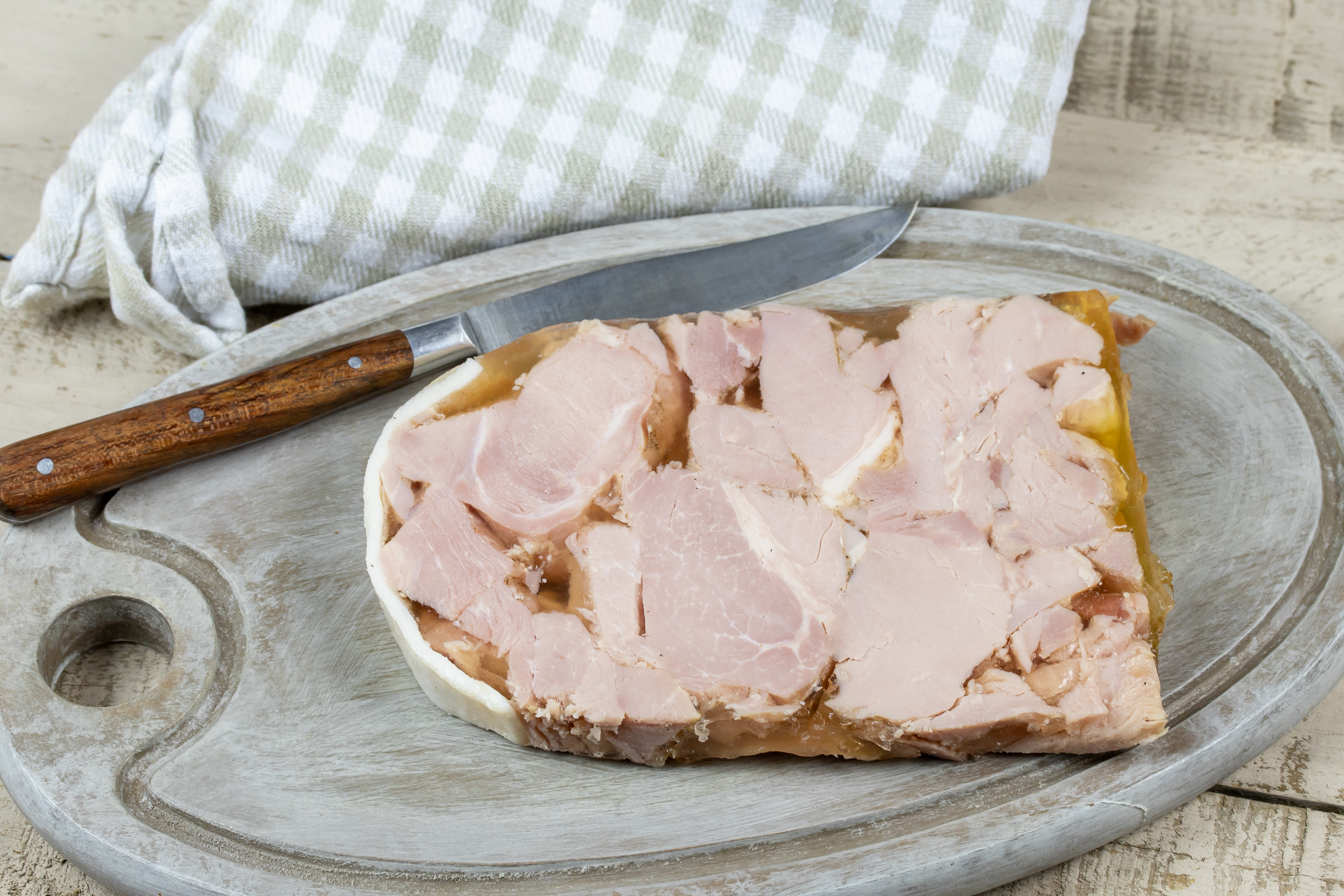
You might think you know it, but the real Flemish potjevleesch is quite different from what is served today in most brasseries. Originally, it mixes several white meats (veal, rabbit, chicken) that are slowly cooked and then set in a natural jelly, without vinegar or shortcuts. Primarily a preservation dish, it's deeply rooted in the countryside, and not many locals have tasted it in its most authentic version.
Dog Bread, the Clever Dessert
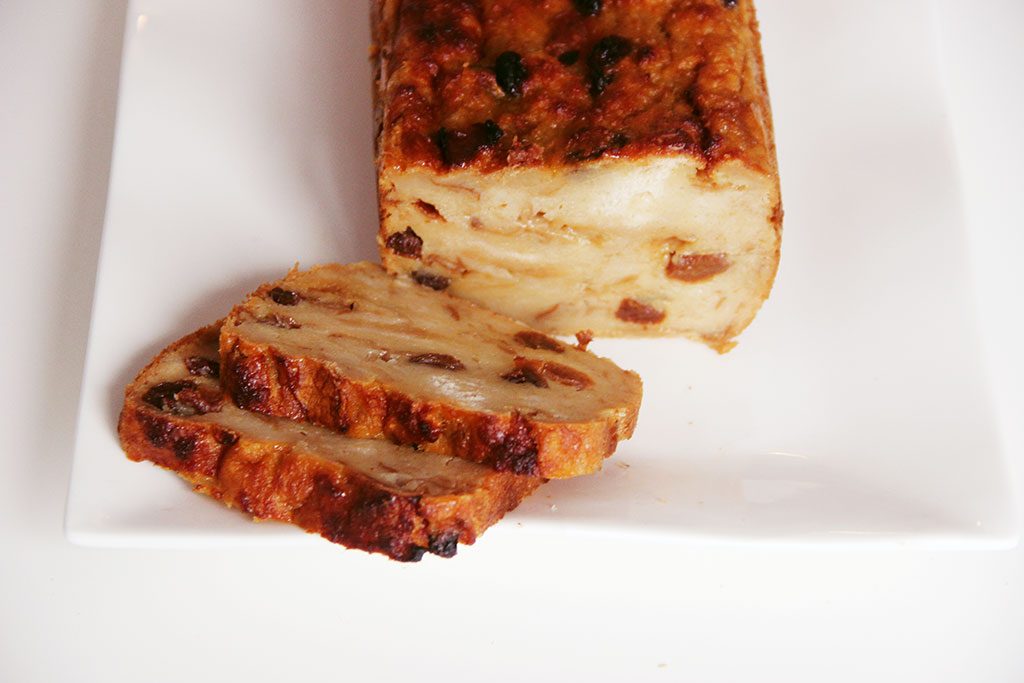
Despite its unflattering name, dog bread has nothing to do with our four-legged friends. This popular dessert was made with stale bread, milk, eggs, sugar, and sometimes a dash of rum or chicory. It’s a clever recipe that prevents waste, born in humble homes, now almost forgotten, but still very much alive in the memories of some grandmothers from the North.
.
Credit: Not Parisienne
Smoked Herring, The Worker’s Version
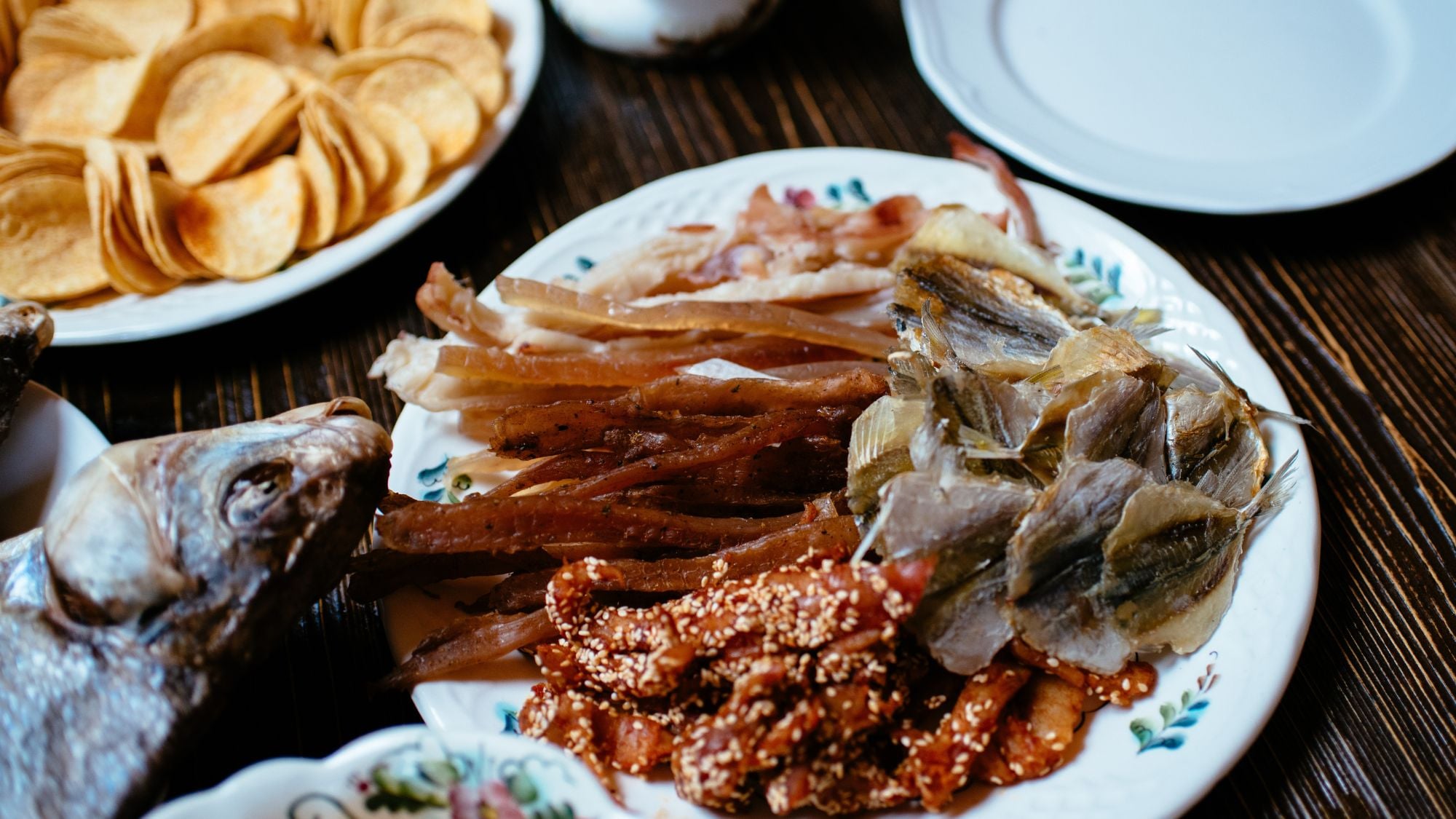
The legendary smoked fish, herring, was a staple of the working-class diet, especially in mining areas. Eaten cold, paired with potatoes or dark bread, it represented a simple, nourishing, and accessible cuisine. Nowadays, you’ll mostly find it at traditional festivals, like the Herring King Festival in Étaples, but it’s rarely on everyday plates.
Rollot, the other cheese with a strong scent
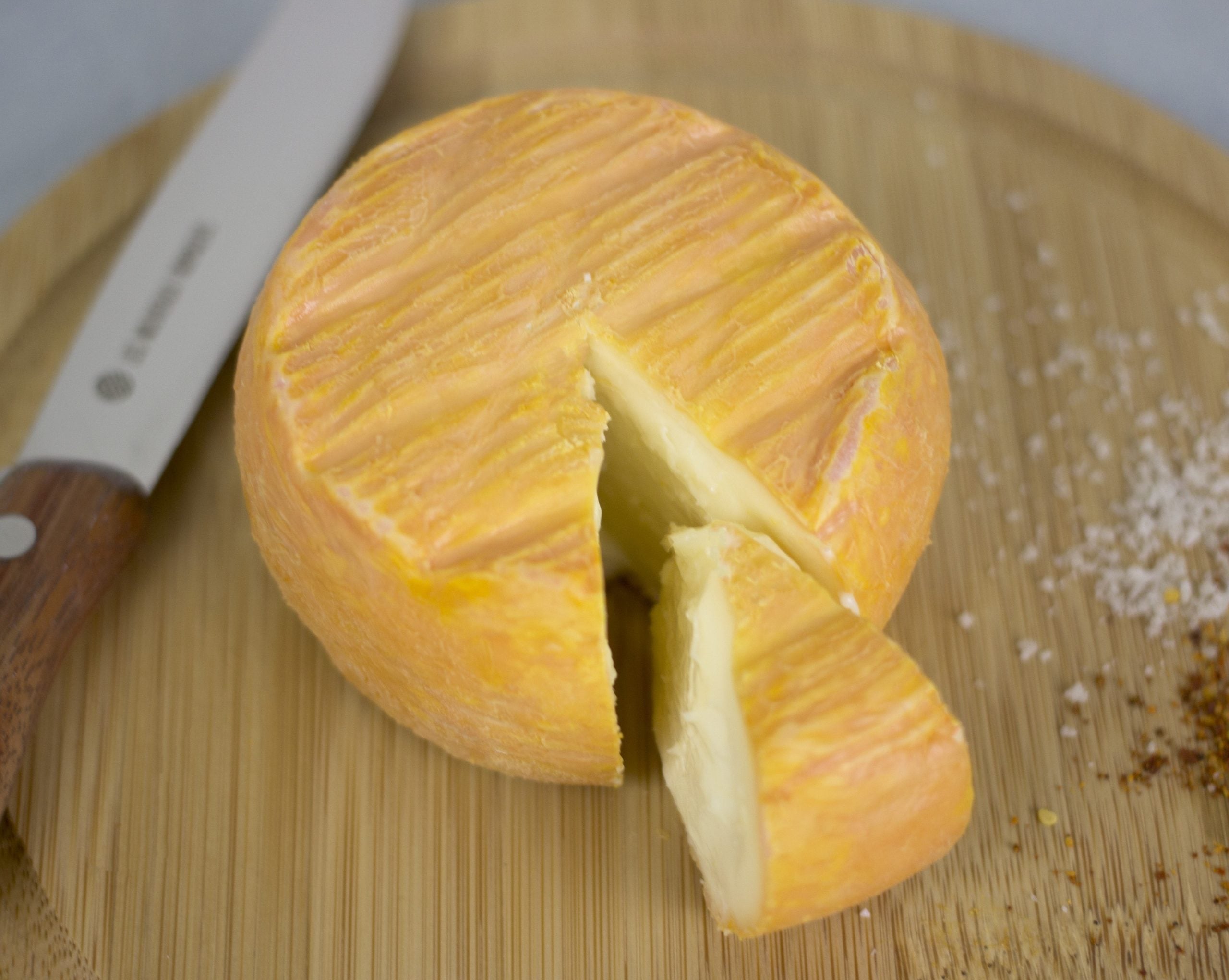
Often overshadowed by maroilles, rollot is actually one of the oldest cheeses from the North. Originating from Picardy but long enjoyed even at the gates of Lille, this little washed-rind cheese brewed with beer was a staple on peasant tables. Milder than it seems, it still remains largely unknown to the general public today.
Credit: Les nouveaux fromagers
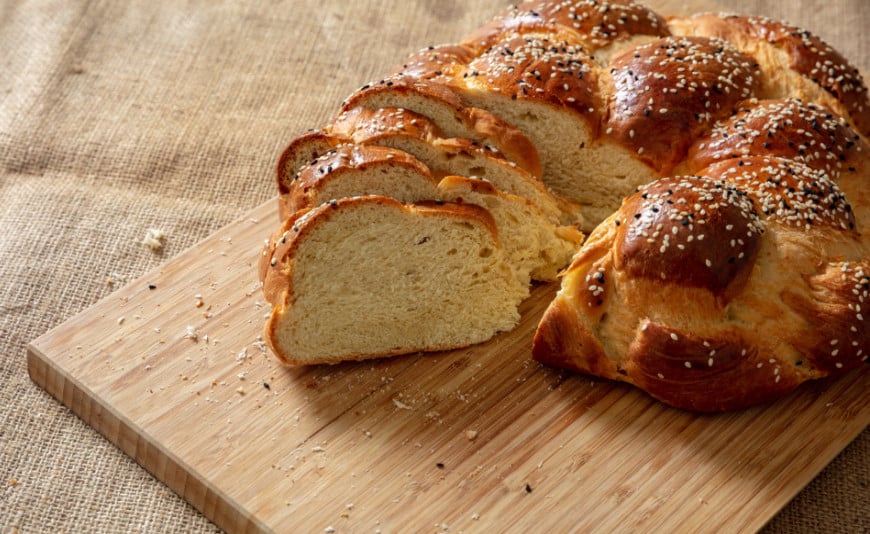
The Craquelin de Saint-Amand, the Forgotten Brioche
We're not talking about the Lille craquelin as it's known today. The one from Saint-Amand-les-Eaux is an ancient brioche, slightly caramelized, with a crispy crust and a soft heart. A unique local specialty, that few Lille residents still associate with their regional heritage, despite its well-rooted history.
Credit : le ch’ti marché
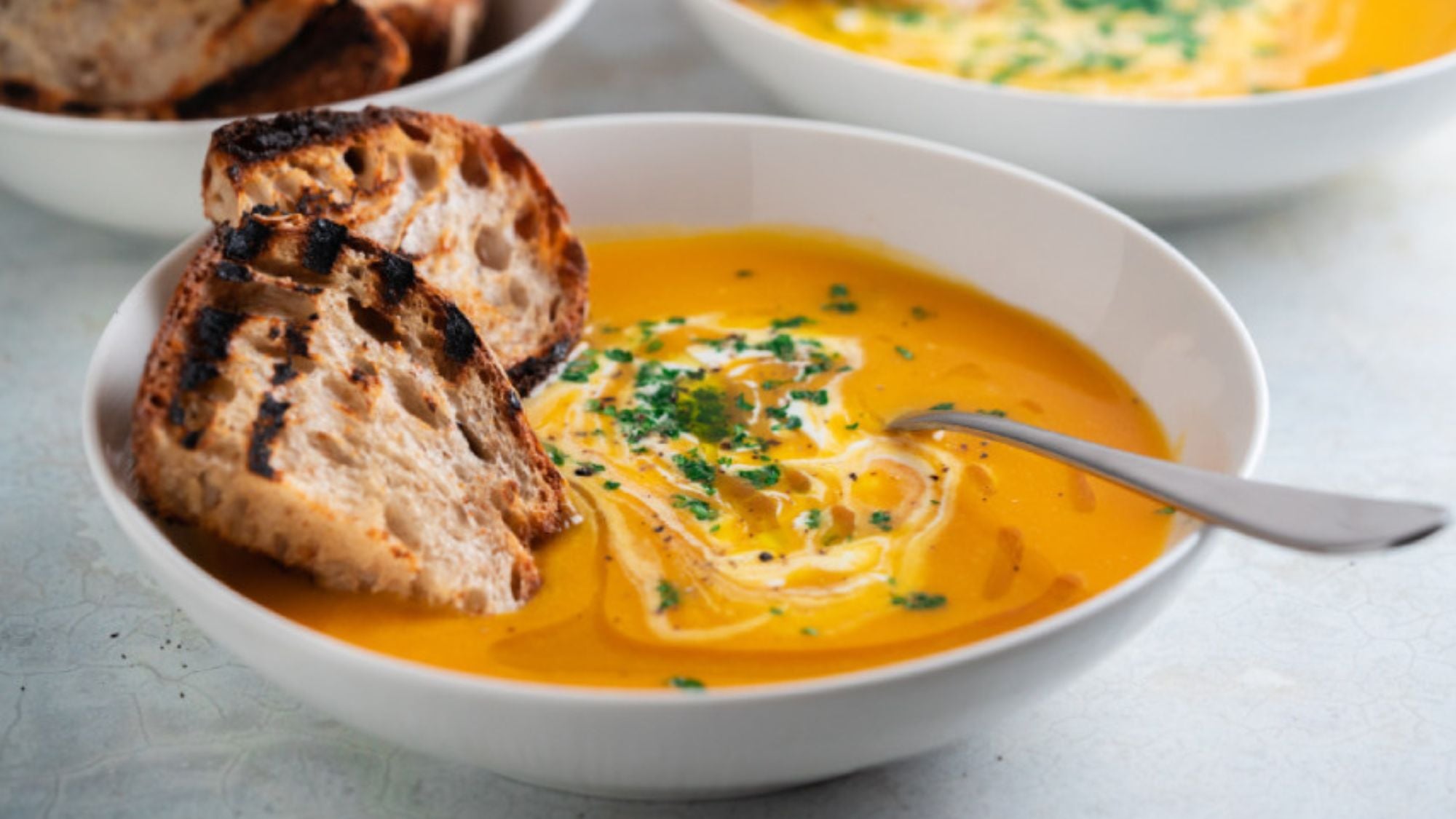
Beer Soup, the Winter Remedy
Once served in the morning or evening to warm up, beer soup combined blonde beer, bread, onions, and sometimes an egg yolk. Rustic, surprising, but deeply Flemish, it was a staple in many households. Today, it's nearly vanished from tables and memories.
Credit: le ch’ti marché
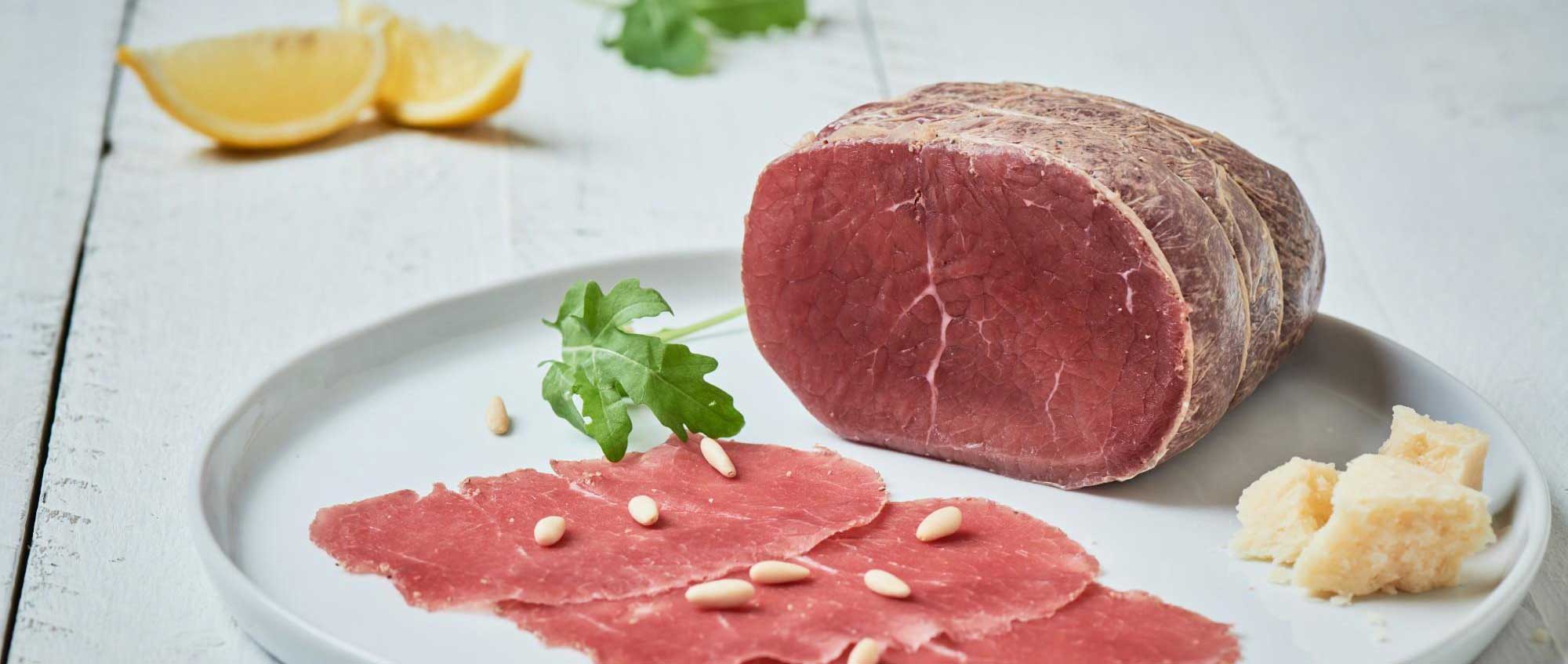
Le filetcot, the charcuterie for connoisseurs
Also known as filet d’Anvers, the filetcot is a dry pork sausage, very lean and aged for a long time. Once reserved for special occasions, it stands out for its refined taste and firm texture. You can still find it at some traditional butcher shops, but it remains largely unknown to the new generations.
Credit: Evlier
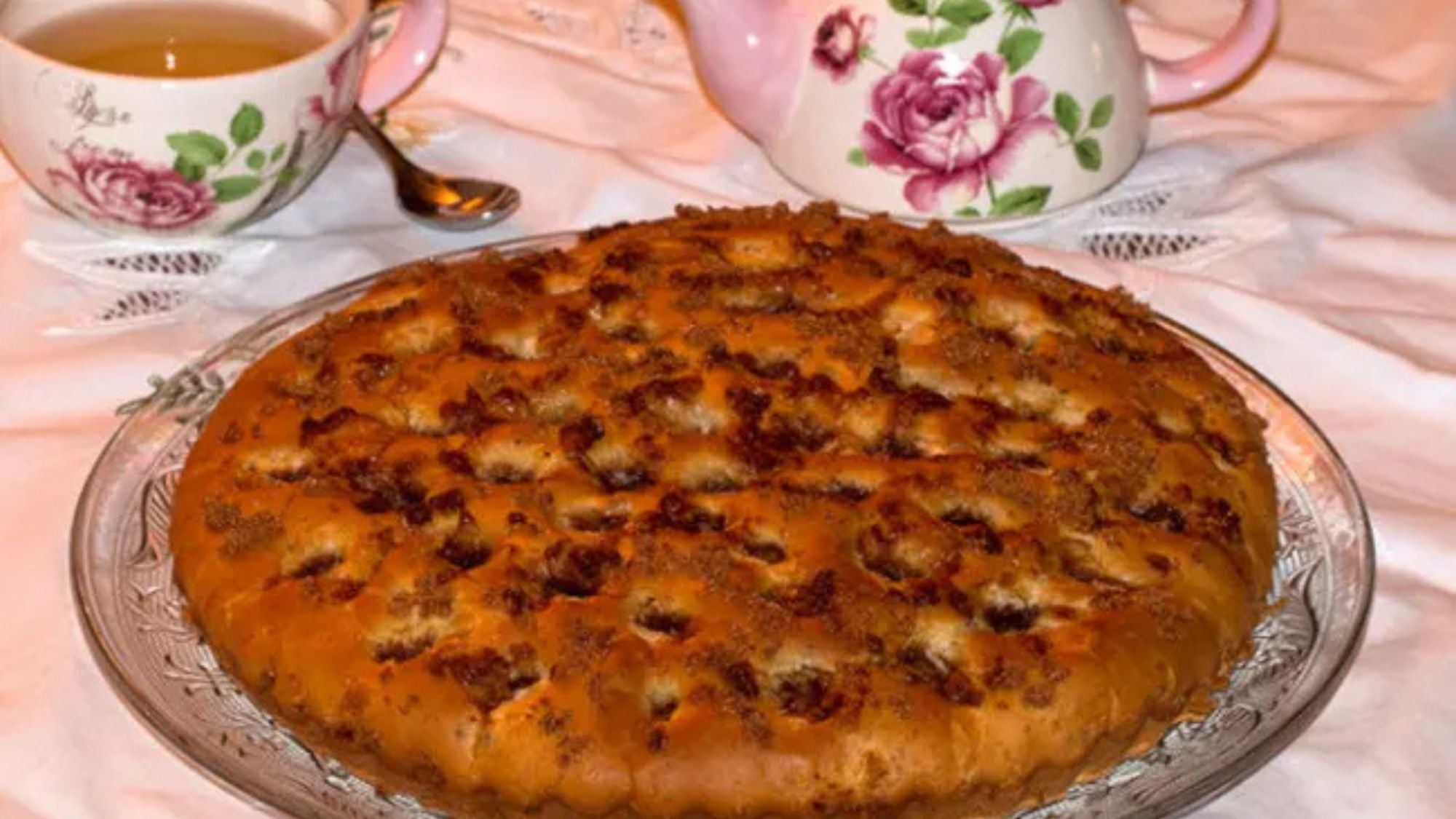
Black Brown Sugar Tart
We know about brown sugar, but many are unaware that it was once used on its own, in fruitless tarts. During baking, the sugar slowly melts to create a filling that's almost caramelized. It's a modest dessert, 100% from the North, and today, you mainly find it in family gatherings, if it hasn’t completely vanished.
Credit: Chef Simon