

After months of trials and "dry runs," the European Metropolis of Lille has finally given the green light. The very first train, measuring 52 meters, will start running at 6:13 AM on February 14th, marking the beginning of a gradual rollout that aims to ease a network often crowded during peak hours.
Longer trains to handle the crowd
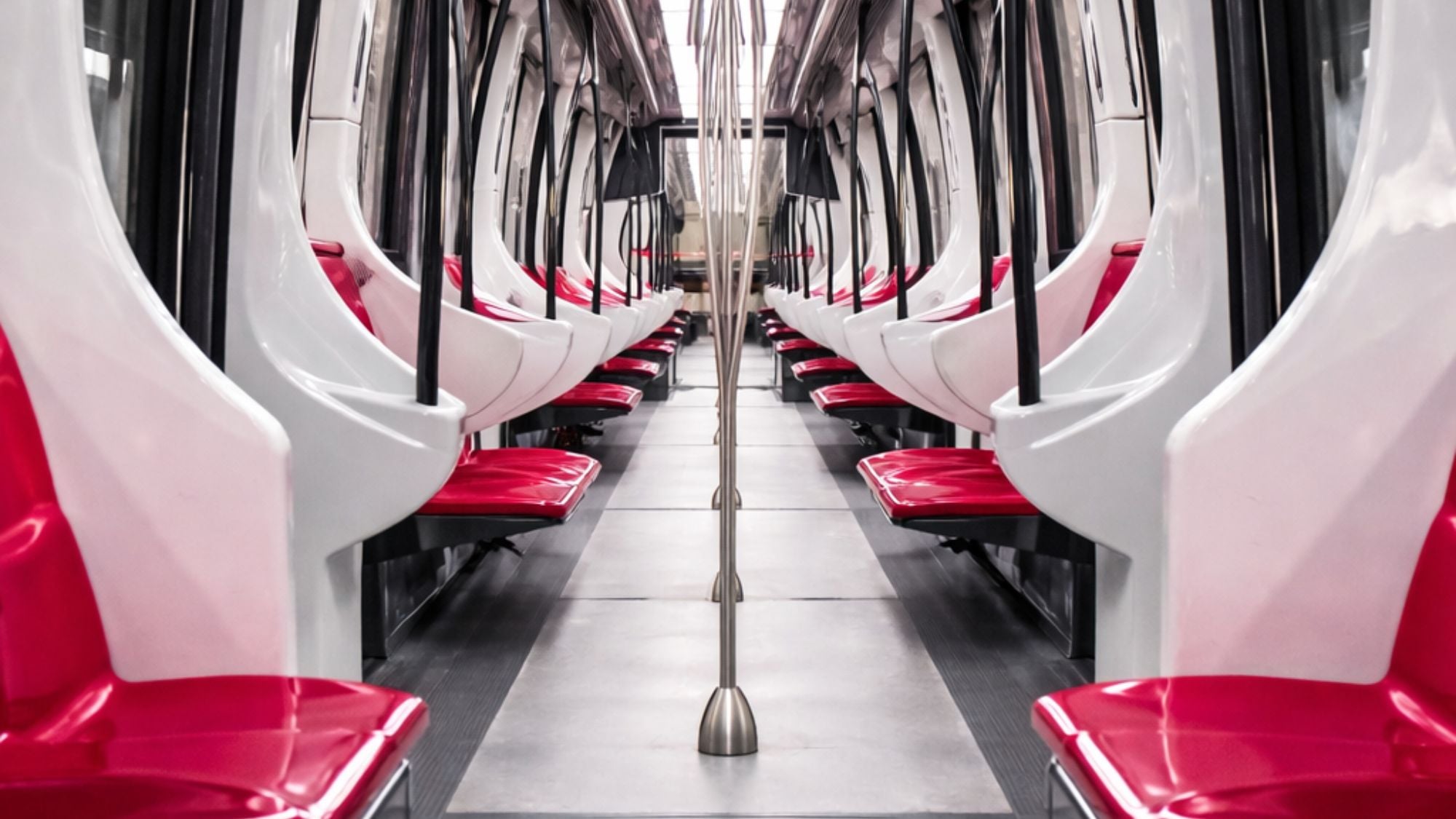
This is the main visible change: these new trains are 52 meters long, compared to the old ones at 26 meters. This means twice as much space on board, and especially 13% more capacity from day one on line 1. According to ilévia, five XXL trains will start operating on February 14th, with more being rolled out in the coming months. The goal is to relieve congestion on the platforms and in the carriages, especially during the busiest times between the city center, university hubs, and large residential areas.
A very closely monitored launch
Before getting to this point, the new metro went through a crucial phase: the test run, conducted without passengers. This essential technical step allowed for checking the proper functioning of the trains, automation, and safety systems along the entire route.
This technical green light officially set the launch date. For the ilévia teams, the word of the day is caution: the ramp-up will be gradual to ensure a smooth transition between the old and the new equipment.
What this will really change for users
While the frequency of the metros won't change immediately, the real benefits will be in comfort and capacity. More space to board, fewer overcrowded trains, and a better distribution of passengers on the platforms.
These new trains are set to keep up with the continuous increase in ridership of the Lille metro, one of the most used in France relative to its population. This change has been eagerly awaited by regular users of line 1.And what’s next on the agenda?
February 14 marks a first milestone, not the end of the project. More 52-meter trains will join the existing fleet throughout the year, aiming to sustainably improve transport conditions in the metropolitan area.
This change won't revolutionize everything overnight, but it could make daily journeys a bit less cramped, especially during those busy times when every inch counts.
More info here