

The Regional Health Agency (ARS) is calling for heightened vigilance, particularly regarding symptoms and risks associated with mosquito bites.
At least 5 confirmed cases in Gironde
The ARS has received several reports in recent days of human cases of locally acquired West Nile virus infection, also known as West Nile fever. To date, at least 5 confirmed human cases have been identified in Gironde according to the latest update from September 21st. These first detections in the region indicate local circulation of the virus. Several equine cases have also been reported.
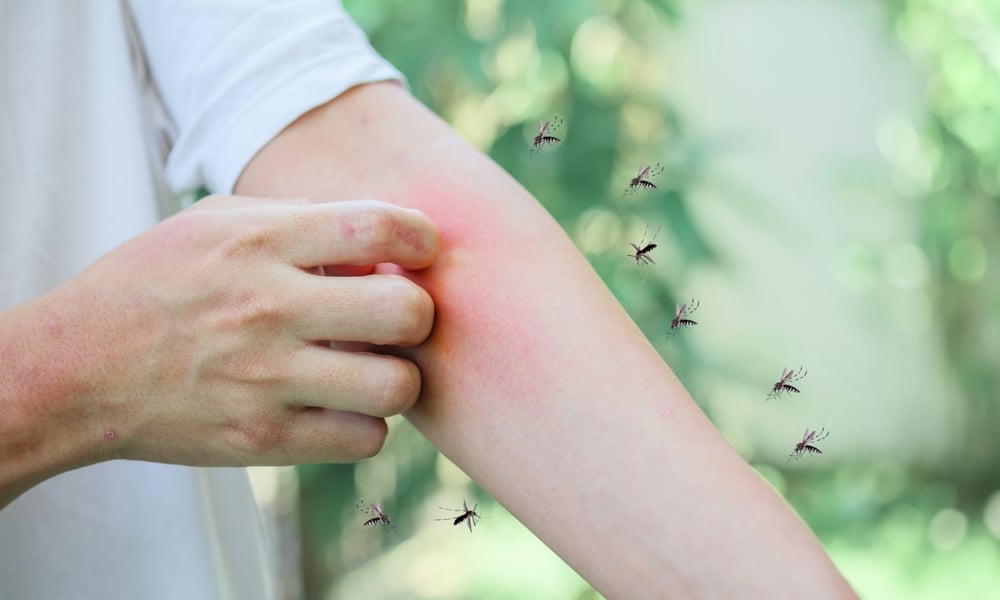
West Nile virus is primarily found in birds. It is transmitted by Culex mosquitoes, also called common mosquitoes, which become infected by biting infected birds.
A Virus Spreading to New Territories
The presence of West Nile virus is gradually spreading across mainland France with 116 cases recorded. In 2025, 62 indigenous human cases were identified in six French regions, particularly in Provence-Alpes-Côte d'Azur, Occitanie and Nouvelle-Aquitaine, but also, for the first time, in Île-de-France, Auvergne-Rhône-Alpes and Normandy. Today, there are 120 cases across the country. Note: several cases detected in the same area and during the same period do not necessarily mean that people infected each other. Humans and horses are indeed considered "epidemiological dead-ends": they do not allow the virus to be transmitted to a mosquito afterwards.
What Are the Symptoms?
In approximately 80% of cases, the infection causes no symptoms. When it does occur, it can however resemble a flu-like syndrome, with notablyfever, headaches, muscle aches, or sometimes a skin rash. More rarely, about 1% of infections can lead to neurological complications such as meningitis or encephalitis. The sudden onset of fever, especially when accompanied by neurological signs or behavioral changes, should prompt you to quickly consult a healthcare professional.
How can you reduce the risks?
The Culex mosquito is widely present in mainland France and is mainly active in the evening and at night. To limit bites, several simple steps are recommended: wear covering and loose clothing at the end of the day, install mosquito nets on windows and use, if necessary, repellents on exposed areas of skin. It is also advisable to limit stagnant water around homes by regularly emptying buckets, watering cans and other containers that could serve as breeding grounds for larvae.
The ARS continues to monitor the situation on its side with the auhealth authorities and animal health professionals. For the public, vigilance mainly relies on preventing bites and consulting a healthcare professional if you experience suggestive symptoms.