

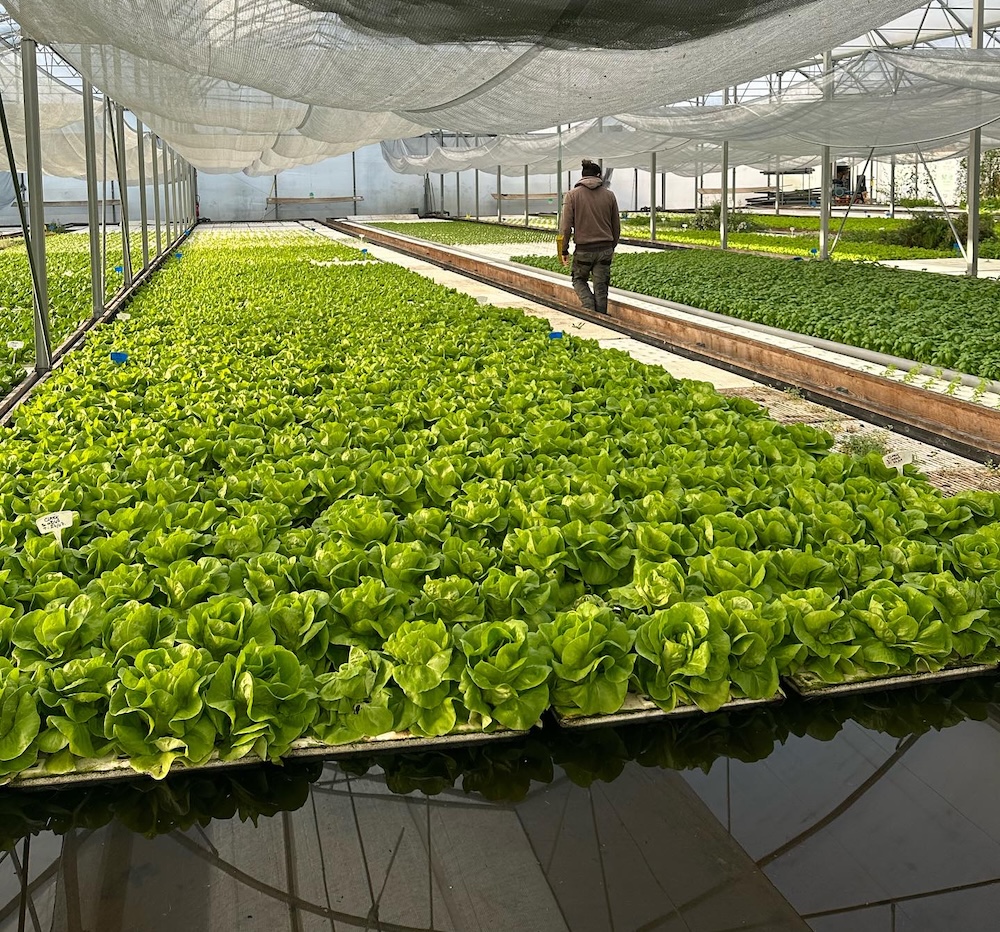
After a first experiment in Lormont in 2019, Les Nouvelles Fermes took root in Mérignac in 2022, becoming one of the largest commercial aquaponic farms in France. Aquaponics is based on a simple and clever principle: turning fish waste into nutrients for plant growth, which in turn filter the water before returning it to the ponds. A virtuous ancestral growing system that really pays off!
.
Les Nouvelles Fermes, pioneers of aquaponics in France
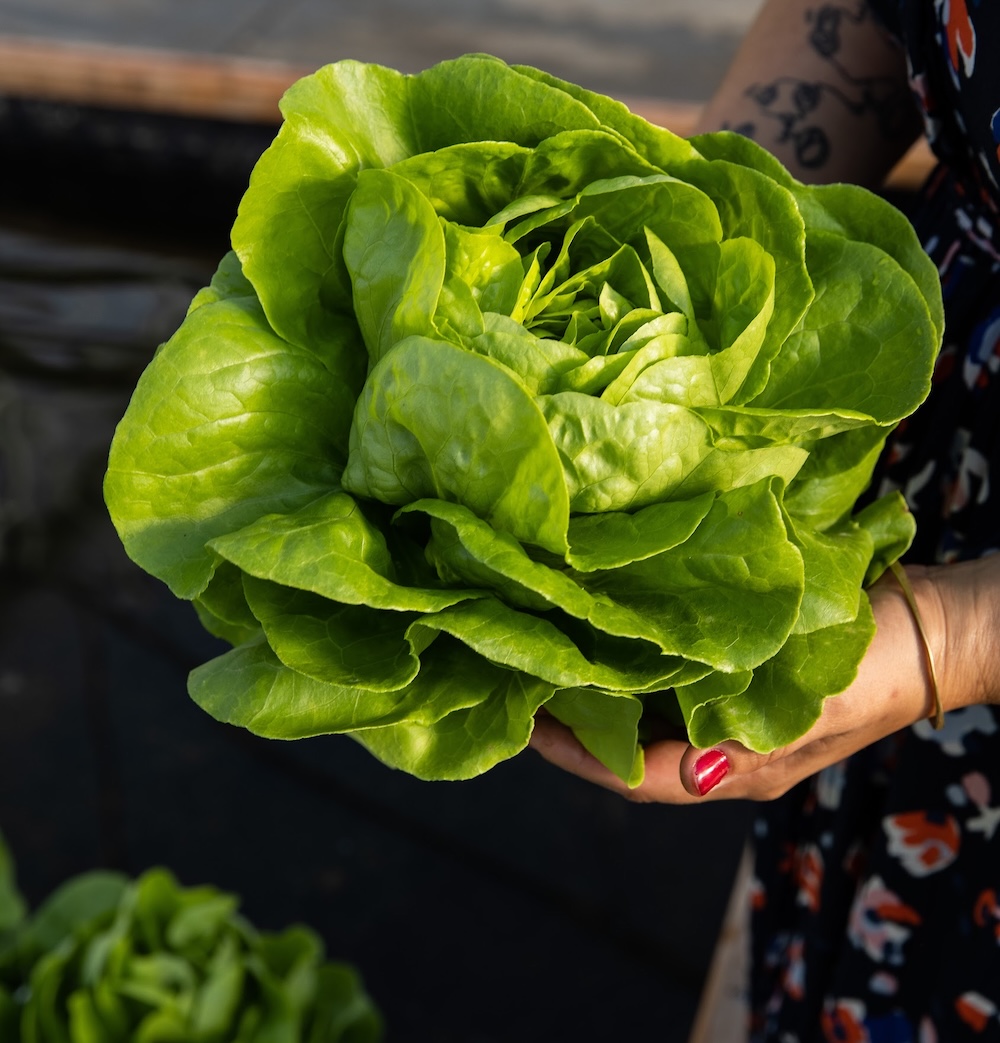
Every year, this Gironde-based company produces around 60 tons of seasonal vegetables — lettuce, tomatoes, aromatic herbs — grown in unlit and unheated greenhouses, as well as 15 tons of rainbow trout. The fish is offered fresh, smoked, or transformed into grocery products (pâtés, soups). The result? Up to 90% water savings and yields up to ten times higher than traditional farming, ensuring an ecological and resilient production!
The adventure began with five friends eager to bring more meaning to their professional lives and convinced that the future of food lies in more virtuous systems. Today, the farm employs 8 people and distributes its produce partly through direct sales (Wednesday and Saturday mornings, 14 avenue de la Grande Semaine), with weekly baskets for €20 or through a network of local partners as well as with shops and restaurants within a maximum radius of 30 km around the farm.
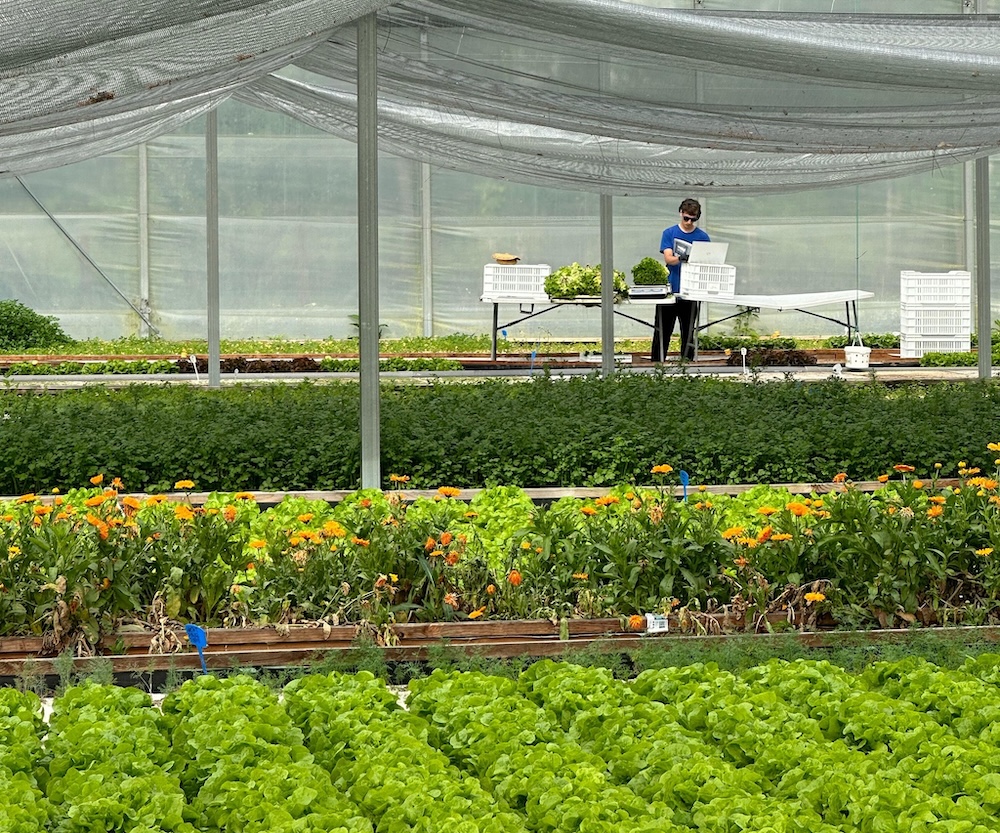
Visit the Mérignac Farm
The site is open to the public during regular guided tours (€7 per person), with the next dates set for October 18 and November 22. A big Christmas sale will also take place on December 20, featuring a producers' market and open house days. Registrations can be made directly through the ticketing section of the Nouvelles Fermes website.
Heading to Île-de-France
Building on their success, Les Nouvelles Fermes are aiming high. After raising 5 million euros, they are starting the construction of a two-hectare greenhouse in Carrières-sous-Poissy (Yvelines), which will produce c.
Every year, up to 250 tons of fruits and vegetables and 60 tons of trout for the people of Île-de-France. By 2030, 15 sites are planned across the country, with one goal: to sustainably bring food production closer to consumers..